
Telehealth Staffing Challenges 2026: Optimize Virtual Care Teams
Facing telehealth staffing challenges in 2026? This article provides US healthcare providers with practical, time-sensitive strategies to optimize virtual care teams, improve retention, and ensure high-quality patient care in the evolving digital health landscape.

Telehealth Interoperability 2026: Seamless Data Exchange in US Healthcare
This article delves into the critical advancements and practical solutions driving telehealth interoperability in the US by 2026. Understand the challenges, regulatory landscape, and technological innovations shaping seamless data exchange for improved patient outcomes.

2026 Telehealth Reimbursement: Maximize Payer Coverage in US Virtual Care
Prepare for 2026 telehealth reimbursement changes. This guide provides a 5-step strategy to maximize payer coverage for virtual care in the US, ensuring your practice remains financially sound amidst evolving healthcare policies.

Telehealth Cybersecurity: Protecting Patient Data 2026
Discover the critical telehealth cybersecurity best practices vital for protecting sensitive patient data in 2026 and a rapidly evolving digital healthcare landscape. Learn how to implement robust security measures and maintain compliance.

Top 5 Telehealth Platforms for Secure Data Exchange in 2026: A US Provider’s Guide
Discover the leading secure telehealth platforms for US providers in 2026. This guide offers an in-depth comparison of their security features, compliance, and data exchange functionalities to ensure optimal patient care and data protection.
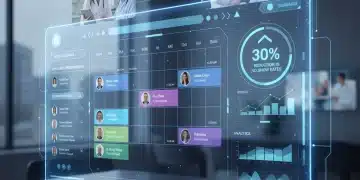
Revolutionizing Healthcare: Advanced Telehealth Scheduling to Cut No-Shows by 30%
Explore how cutting-edge telehealth scheduling systems are poised to achieve a 30% reduction in patient no-show rates by 2026, revolutionizing healthcare efficiency and patient access.

AI in Telehealth: Boosting Diagnostics for 2026 Clinical Accuracy
This article delves into the transformative role of AI in telehealth, focusing on its projected impact on diagnostic accuracy by 2026. We explore the technologies, challenges, and immense potential for improving patient care.

Telehealth Solutions: Revolutionizing Chronic Disease Management in the US
Telehealth solutions are revolutionizing chronic disease management in the US, offering improved access and better outcomes. This post delves into the transformative power of virtual care, aiming for a 25% improvement in patient outcomes by 2026.

Optimize Telehealth Workflows: Reduce Healthcare Costs by 10% in 2026
This comprehensive guide explores how US healthcare systems can strategically optimize telehealth workflows to achieve a significant 10% reduction in operational costs by 2026, detailing actionable strategies and technological integrations.

The Future of Remote Patient Monitoring in Telehealth: Key Innovations Expected by 2027
The landscape of healthcare is rapidly evolving, with remote patient monitoring (RPM) at the forefront. This article delves into the key innovations and transformative trends expected to redefine telehealth and RPM by 2027, offering a glimpse into the future of connected, patient-centric care.