Revolutionizing Healthcare: Advanced Telehealth Scheduling to Cut No-Shows by 30%
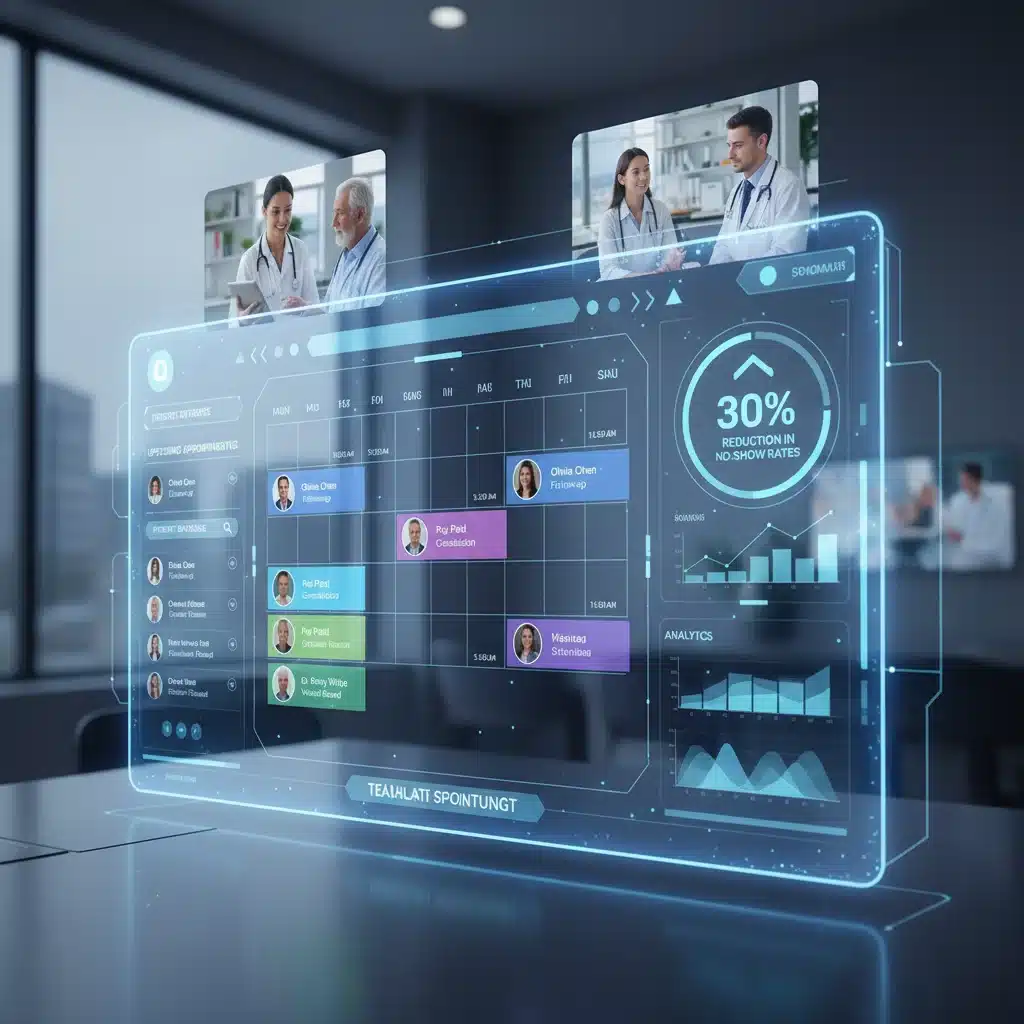
Revolutionizing Healthcare: Advanced Telehealth Scheduling to Cut No-Shows by 30%
The healthcare landscape is in a constant state of evolution, driven by technological advancements and an ever-increasing demand for accessible, efficient, and patient-centric care. One of the most persistent and costly challenges faced by healthcare providers worldwide is the issue of patient no-shows. Missed appointments not only lead to significant financial losses but also disrupt clinical workflows, reduce access for other patients, and can negatively impact health outcomes. The good news is that the advent of advanced telehealth scheduling systems is poised to be a game-changer. By 2026, experts predict these innovative platforms will enable healthcare organizations to achieve a remarkable 30% reduction in no-show rates. This article delves into the mechanisms, benefits, and future potential of advanced telehealth scheduling to address this critical issue.
The Pervasive Problem of Patient No-Shows
Before we explore the solutions, it’s crucial to understand the magnitude of the problem. Patient no-shows are a drain on resources at every level of the healthcare system. From a financial perspective, missed appointments translate into lost revenue for clinics and hospitals. Industry estimates suggest that the cost of a single no-show can range from tens to hundreds of dollars, accumulating into billions annually across the healthcare sector. Beyond the financial impact, there are significant operational inefficiencies. Staff time is wasted preparing for appointments that don’t occur, and valuable appointment slots that could have been used by other patients remain empty. This directly affects patient access, leading to longer waiting lists and delayed care for those who genuinely need it.
Moreover, the clinical implications are profound. For patients, missing appointments can interrupt continuity of care, exacerbate chronic conditions, and delay diagnoses, potentially leading to poorer health outcomes. For providers, it can be frustrating and demoralizing, undermining their efforts to deliver comprehensive care. The reasons for no-shows are multifaceted, ranging from forgetfulness, transportation issues, conflicting commitments, and financial constraints to a lack of understanding of the appointment’s importance or even anxiety about the visit. Addressing this complex problem requires a multi-pronged approach, and advanced telehealth scheduling offers a powerful set of tools to tackle many of these underlying causes.
Understanding Advanced Telehealth Scheduling Systems
At its core, advanced telehealth scheduling is more than just an online calendar. It’s an integrated, intelligent platform designed to streamline the entire appointment lifecycle, from initial booking to post-appointment follow-up. These systems leverage cutting-edge technology, including artificial intelligence (AI), machine learning (ML), and robust data analytics, to optimize scheduling, enhance patient engagement, and ultimately minimize no-show rates. The sophistication lies in their ability to automate processes, personalize interactions, and provide actionable insights that traditional scheduling methods simply cannot match.
Key features of these advanced systems often include:
- Self-Service Scheduling: Patients can book, reschedule, or cancel appointments online 24/7, offering unparalleled convenience and control.
- Automated Reminders: Multi-channel reminders (SMS, email, app notifications) sent at strategic intervals significantly reduce forgetfulness.
- Intelligent Matching: AI algorithms can match patients with the most appropriate provider based on their needs, availability, and even language preferences.
- Virtual Waiting Rooms: Streamlined check-in processes and clear communication about wait times reduce anxiety and improve the virtual appointment experience.
- Integrated Telehealth Platform: Seamless transition from scheduling to the actual virtual consultation within the same platform.
- Predictive Analytics: Algorithms analyze historical data to identify patients at high risk of no-showing, allowing for proactive interventions.
- Personalized Communication: Tailored messages and educational content can be delivered to patients, reinforcing the importance of their appointments.
The synergy of these features creates a robust ecosystem that not only makes scheduling more efficient for healthcare providers but also empowers patients to take a more active role in their healthcare journey, directly contributing to a reduction in missed appointments.
Key Strategies Employed by Advanced Telehealth Scheduling to Reduce No-Shows
Achieving a 30% reduction in no-show rates is an ambitious but attainable goal, predicated on several core strategies inherent in advanced telehealth scheduling systems.
1. Enhanced Patient Engagement and Communication
One of the primary drivers of no-shows is a breakdown in communication. Patients may forget, misplace appointment details, or feel disconnected from their healthcare provider. Advanced telehealth scheduling systems address this head-on through proactive and personalized engagement. Automated reminders, sent via preferred communication channels (text, email, app notifications), are a fundamental component. These aren’t just generic messages; they can be customized to include specific appointment details, provider names, and even pre-appointment instructions or questionnaires. This consistent reinforcement helps patients keep their appointments top of mind.
Furthermore, these systems facilitate two-way communication. Patients can easily confirm, reschedule, or cancel appointments with a click, reducing the friction often associated with these actions. This flexibility is crucial; life happens, and giving patients an easy way to manage their appointments reduces the likelihood of them simply not showing up. Educational content, pre-visit instructions, and even links to virtual waiting room information can be embedded in these communications, ensuring patients are well-prepared and understand the value of their upcoming consultation. This holistic approach to communication fosters a sense of partnership and accountability, significantly contributing to improved attendance.
2. Optimizing Accessibility and Convenience
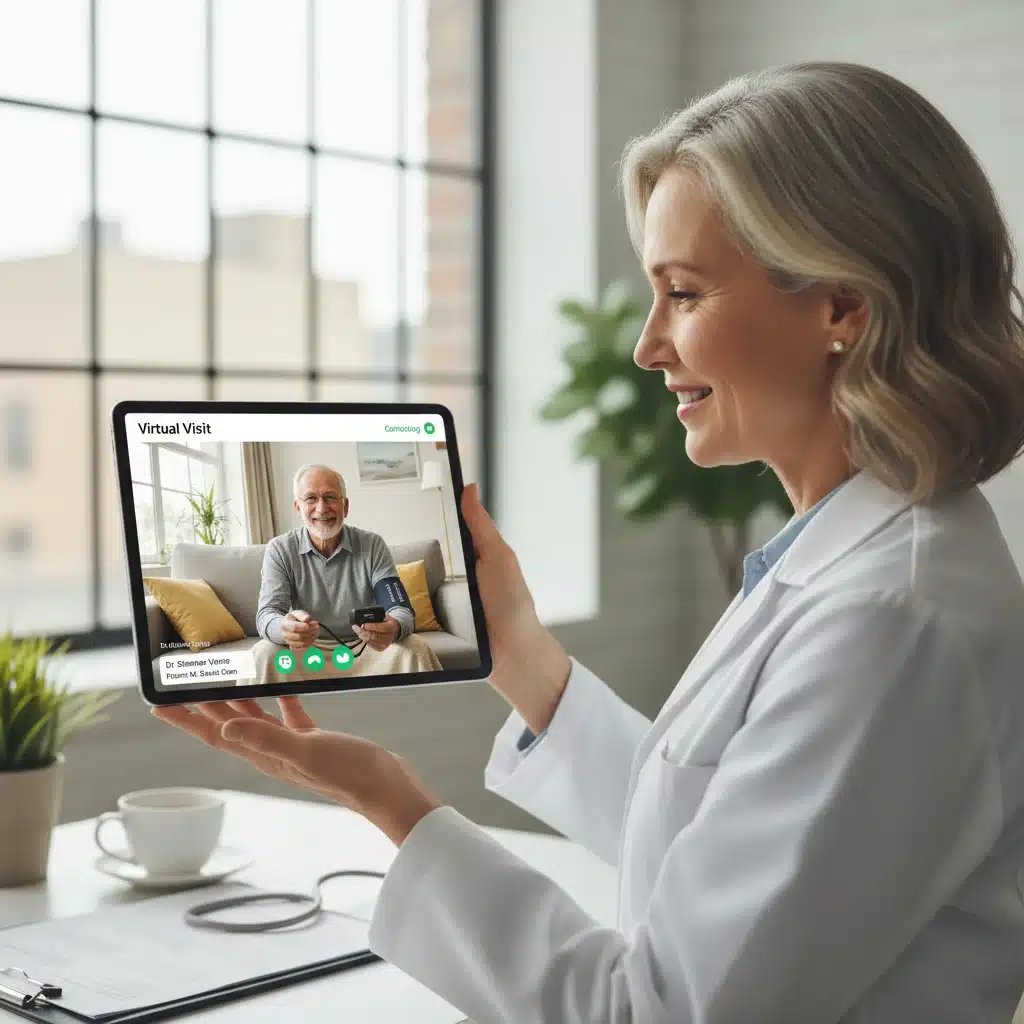
Convenience is a powerful motivator. Traditional appointment booking often involves phone calls during business hours, which can be inconvenient for many patients. Advanced telehealth scheduling platforms offer 24/7 self-service options, allowing patients to book, manage, and modify appointments at their leisure, from any device. This flexibility removes a major barrier to access, particularly for those with demanding work schedules or limited availability during clinic hours.
Moreover, the integration of telehealth directly into the scheduling system means that patients don’t need to navigate multiple platforms or download separate applications. The entire process, from booking to the actual virtual visit, is seamless. This ease of use reduces technological hurdles and makes virtual care a more appealing and manageable option. By making healthcare appointments as convenient as ordering groceries online, these systems inherently increase the likelihood of patient adherence.
3. Leveraging Data and Predictive Analytics
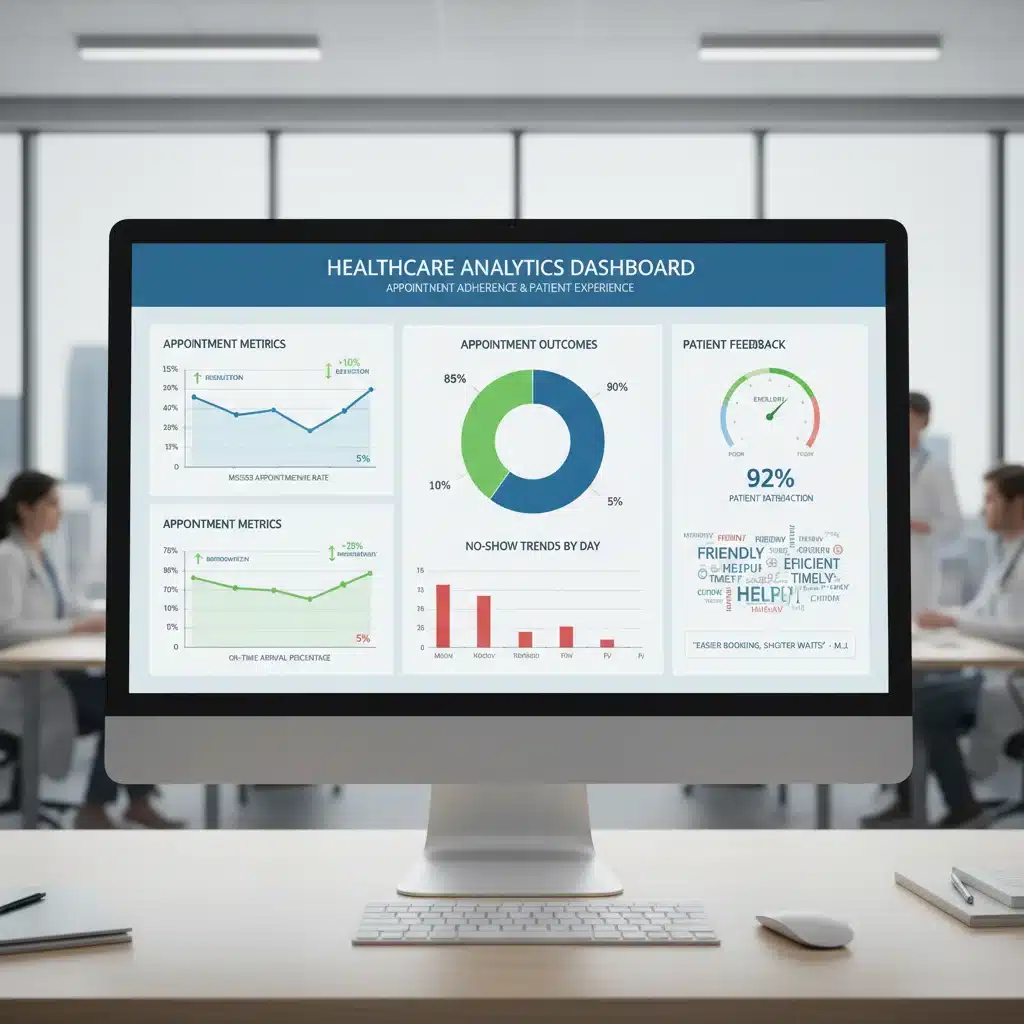
This is where advanced telehealth scheduling truly distinguishes itself. By analyzing vast amounts of historical data—including patient demographics, past no-show patterns, appointment types, and even external factors like weather or public transport disruptions—AI and machine learning algorithms can identify patients who are at a higher risk of missing their appointments. This predictive capability is invaluable.
Once high-risk individuals are identified, healthcare providers can implement proactive interventions. This might involve sending additional, more personalized reminders, making a direct phone call, or offering alternative appointment times that better suit the patient’s likely schedule. For example, if a patient has a history of missing afternoon appointments, the system might suggest morning slots. This intelligent, data-driven approach allows resources to be focused where they are most needed, maximizing the impact of no-show reduction efforts. The continuous learning of these algorithms means that the system becomes more accurate and effective over time, constantly refining its predictions and strategies.
4. Streamlining Clinic Workflows and Resource Allocation
While the focus is often on patient benefits, advanced telehealth scheduling also significantly improves operational efficiency for healthcare providers. Automated scheduling reduces the administrative burden on staff, allowing them to focus on more complex tasks and direct patient care. The ability to automatically fill canceled slots with patients from a waitlist ensures that valuable provider time is not wasted. This dynamic scheduling capability is crucial for maintaining a full schedule and maximizing revenue.
Furthermore, by having a clearer picture of expected attendance, clinics can optimize their staffing levels and resource allocation. For instance, if predictive analytics suggests a higher no-show rate for a particular day or provider, adjustments can be made to staffing or the number of scheduled appointments. This level of operational insight is transformative, moving from reactive problem-solving to proactive management. The result is a more efficient, less stressful environment for healthcare staff and a more smoothly running clinic.
The Future is Now: Telehealth Scheduling No-Shows by 2026
The projection of a 30% reduction in no-show rates by 2026 is not merely optimistic; it’s a realistic target based on the accelerating adoption and continuous refinement of these advanced systems. Several factors contribute to this optimistic outlook:
- Technological Maturity: AI, ML, and cloud computing technologies are becoming more sophisticated and accessible, enabling more powerful and user-friendly scheduling solutions.
- Increased Telehealth Acceptance: Both providers and patients have become more comfortable and accustomed to telehealth, especially post-pandemic, making virtual appointments a standard mode of care.
- Interoperability: Modern telehealth scheduling platforms are increasingly integrating with Electronic Health Records (EHR) and other clinical systems, creating a unified and data-rich environment.
- Focus on Patient Experience: Healthcare is increasingly consumer-driven, and providers are recognizing the importance of a seamless and positive patient experience, which advanced scheduling directly supports.
- Cost Pressures: The financial burden of no-shows continues to drive healthcare organizations to seek efficient and cost-effective solutions.
As these trends converge, the impact of advanced telehealth scheduling will only grow. Imagine a healthcare system where appointment reminders are not just text messages but intelligent prompts that learn from your habits and offer the most convenient options. Picture a world where clinics can almost perfectly predict their daily attendance, optimizing every resource. This is the future that advanced telehealth scheduling promises, and it’s rapidly becoming our present reality.
Implementation Considerations and Best Practices
While the benefits are clear, successful implementation of advanced telehealth scheduling requires careful planning and execution. Healthcare organizations should consider the following:
1. Comprehensive Needs Assessment
Before investing in any system, it’s crucial to understand the specific needs and challenges of your organization. What are your current no-show rates? What are the common reasons for missed appointments in your patient population? A thorough assessment will help identify the features and functionalities that will deliver the most value.
2. Phased Rollout and Pilot Programs
Introducing a new system across an entire organization can be daunting. A phased rollout, starting with a pilot program in a specific department or clinic, allows for testing, gathering feedback, and making necessary adjustments before a broader implementation. This approach minimizes disruption and ensures a smoother transition.
3. Staff Training and Adoption
The success of any new technology hinges on its adoption by staff. Comprehensive training programs are essential to ensure that administrative staff, nurses, and clinicians are comfortable and proficient in using the new scheduling system. Emphasize the benefits to their daily workflow and how it ultimately improves patient care.
4. Patient Education and Support
Patients also need to be educated on how to use the new system. Clear instructions, FAQs, and readily available technical support can help overcome any initial apprehension. Highlighting the convenience and benefits of self-service scheduling will encourage adoption.
5. Data Security and Privacy (HIPAA Compliance)
Handling sensitive patient information necessitates robust security measures. Ensure that any telehealth scheduling system chosen is fully compliant with HIPAA regulations and other relevant data privacy laws. Data encryption, secure authentication, and regular security audits are non-negotiable.
6. Continuous Monitoring and Optimization
Implementation is not a one-time event. Continuously monitor the system’s performance, track no-show rates, and gather feedback from both staff and patients. Use this data to identify areas for improvement and optimize the system’s settings and configurations to achieve the best possible results. The predictive analytics capabilities of these systems should be regularly reviewed and fine-tuned.
Beyond No-Shows: Broader Impacts on Healthcare Delivery
While reducing no-shows is a primary objective, the benefits of advanced telehealth scheduling extend far beyond this single metric. These systems contribute to a more efficient, patient-centered, and sustainable healthcare ecosystem:
- Improved Patient Outcomes: Consistent adherence to appointments leads to better disease management, timely interventions, and overall improved health.
- Enhanced Patient Satisfaction: Convenience, personalized communication, and reduced wait times contribute to a more positive patient experience.
- Increased Revenue and Reduced Costs: Fewer no-shows mean more billable appointments and less wasted administrative time, directly impacting the bottom line.
- Better Resource Utilization: Optimized scheduling ensures that clinical staff and facilities are used to their full potential.
- Expansion of Access to Care: By reducing barriers to scheduling and offering virtual options, these systems help reach underserved populations and improve health equity.
- Data-Driven Decision Making: The rich data generated by these platforms provides invaluable insights for strategic planning and operational improvements.
The ripple effect of a 30% reduction in no-show rates is transformative. It frees up resources, improves the quality of care, and fosters a more collaborative relationship between patients and providers. This shift represents a significant step towards a more resilient and responsive healthcare system.
Conclusion
The challenge of patient no-shows has long plagued the healthcare industry, leading to significant financial, operational, and clinical repercussions. However, with the rapid evolution of advanced telehealth scheduling systems, healthcare providers now have powerful tools at their disposal to combat this persistent issue. By leveraging intelligent automation, personalized communication, and predictive analytics, these platforms are not only streamlining appointment management but also fundamentally reshaping patient engagement.
The ambitious yet achievable goal of a 30% reduction in no-show rates by 2026 underscores the profound impact these technologies are set to have. As healthcare continues its digital transformation, embracing and effectively implementing advanced telehealth scheduling will be paramount for organizations looking to enhance efficiency, improve patient outcomes, and secure a sustainable future in an increasingly competitive landscape. The future of healthcare scheduling is smart, proactive, and patient-centric, promising a healthier and more efficient experience for all.