Telehealth MedTech: The 2026 Market Opportunity for Remote Patient Monitoring Startups
Telehealth MedTech: The 2026 Market Opportunity for Remote Patient Monitoring Startups
The healthcare industry is in the midst of a profound transformation, driven by technological advancements, shifting patient expectations, and the persistent demand for more accessible and efficient care. At the forefront of this revolution is telehealth, and within telehealth, Remote Patient Monitoring (RPM) stands out as a particularly fertile ground for innovation and significant market growth. For startups seeking to make a tangible impact and capture substantial market share, the period leading up to 2026 presents an unprecedented opportunity in the Remote Patient Monitoring space.
The COVID-19 pandemic acted as an undeniable catalyst, accelerating the adoption of telehealth solutions by both providers and patients. What was once a niche offering has now become an integral part of healthcare delivery, and Remote Patient Monitoring is central to this paradigm shift. As we look towards 2026, the market for RPM is projected to expand exponentially, fueled by an aging global population, the rising prevalence of chronic diseases, and a sustained focus on value-based care models.
This comprehensive article will delve into the intricacies of this burgeoning market, exploring the key drivers, technological innovations, regulatory landscape, and the strategic imperatives for startups aiming to thrive in the Remote Patient Monitoring sector. We will uncover why 2026 is a pivotal year for these ventures and what it takes to succeed in this dynamic environment.
Understanding the Remote Patient Monitoring Landscape
Remote Patient Monitoring, often abbreviated as RPM, refers to the use of digital technologies to collect medical and other forms of health data from individuals in one location and electronically transmit that information securely to healthcare providers in a different location for assessment and recommendations. This can include a wide array of data points, from vital signs like heart rate, blood pressure, and oxygen saturation to more specialized metrics such as glucose levels, ECG readings, and activity levels.
The core value proposition of Remote Patient Monitoring lies in its ability to enable continuous, proactive care outside of traditional clinical settings. Instead of episodic visits, patients can be monitored consistently, allowing for early detection of deteriorating conditions, timely interventions, and a reduction in hospital readmissions. This not only improves patient outcomes but also drives down healthcare costs, making it an attractive proposition for payers, providers, and patients alike.
Key Components of a Robust Remote Patient Monitoring System:
- Sensors and Wearable Devices: These are the front-line data collectors, ranging from consumer-grade smartwatches and fitness trackers to medical-grade devices specifically designed for health monitoring.
- Data Transmission & Connectivity: Secure and reliable methods for transmitting data from the devices to a central platform, often utilizing Bluetooth, Wi-Fi, cellular networks, or proprietary protocols.
- Data Aggregation & Analytics Platform: A cloud-based or on-premise system that receives, stores, processes, and analyzes the collected data. This platform often incorporates AI and machine learning for predictive analytics and anomaly detection.
- Clinical Interface & Alerts: A user-friendly dashboard for healthcare providers to review patient data, track trends, set thresholds, and receive alerts for critical changes in a patient’s condition.
- Patient Engagement Tools: Features that allow patients to view their data, receive educational content, communicate with their care team, and actively participate in their health management.
- Interoperability: The ability of the RPM system to seamlessly integrate with existing Electronic Health Records (EHR) and other healthcare IT systems.
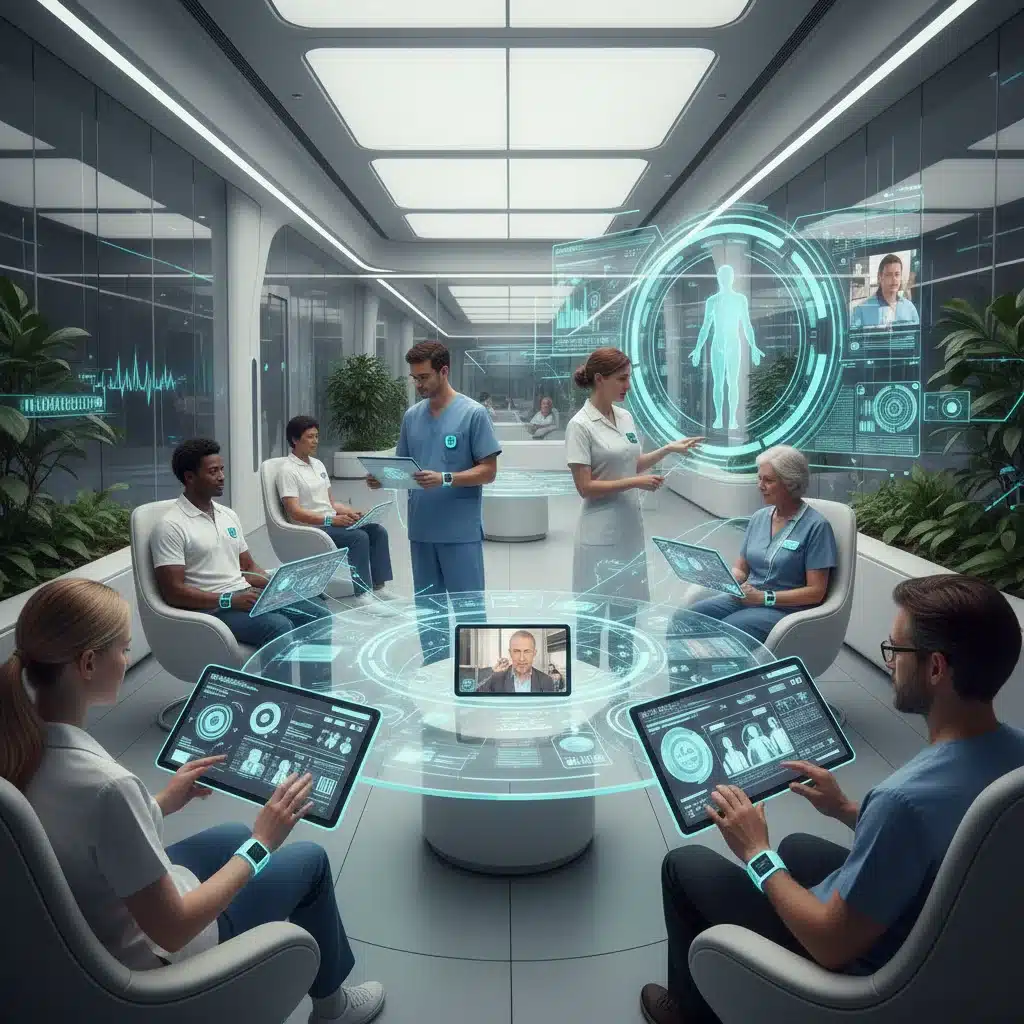
The synergy of these components creates a powerful ecosystem for delivering continuous and personalized care, distinguishing Remote Patient Monitoring as a transformative force in modern medicine.
Market Drivers: Why Remote Patient Monitoring is Soaring Towards 2026
Several powerful macroeconomic and demographic trends are converging to create an exceptionally favorable environment for Remote Patient Monitoring startups. Understanding these drivers is crucial for positioning a new venture for success.
1. Aging Global Population and Chronic Disease Burden:
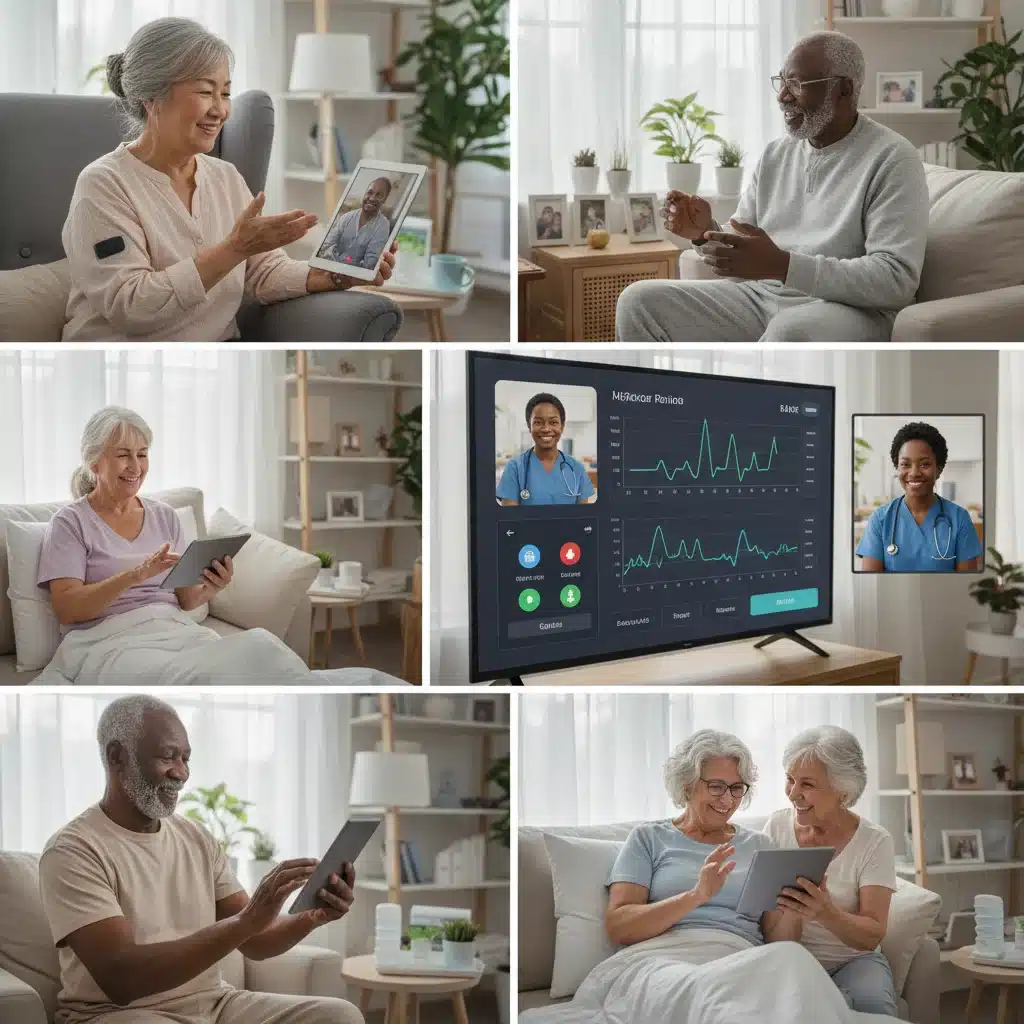
The world’s population is aging rapidly. By 2030, one in six people globally will be aged 60 years or over. This demographic shift brings with it an increased prevalence of chronic conditions such as heart disease, diabetes, hypertension, and COPD. Managing these conditions effectively and preventing complications requires continuous monitoring and proactive interventions, which Remote Patient Monitoring is uniquely positioned to provide. It allows elderly patients to age in place with dignity and safety, reducing the burden on acute care facilities.
2. Shift Towards Value-Based Care:
Healthcare systems worldwide are transitioning from fee-for-service models to value-based care, where providers are reimbursed based on patient outcomes rather than the volume of services rendered. Remote Patient Monitoring is a powerful tool for achieving better outcomes, reducing readmissions, and managing chronic conditions more efficiently, thereby aligning perfectly with the goals of value-based care.
3. Technological Advancements and Miniaturization:
The continuous evolution of sensor technology, wireless communication (5G, Bluetooth Low Energy), artificial intelligence, and data analytics has made RPM devices more accurate, less intrusive, and more affordable. Miniaturization allows for discreet, comfortable wearables that patients are more likely to adopt and adhere to. The processing power available in small devices enables complex algorithms to run at the edge, offering real-time insights.
4. Increased Patient & Provider Acceptance of Telehealth:
The pandemic significantly lowered barriers to telehealth adoption. Both patients and providers experienced the convenience and effectiveness of virtual care, leading to a sustained demand for remote solutions. This increased acceptance has paved the way for wider integration of Remote Patient Monitoring into routine clinical practice.
5. Regulatory Support and Reimbursement Policies:
Governments and regulatory bodies are increasingly recognizing the value of RPM. In many regions, favorable reimbursement codes and policies have been introduced or expanded, making it financially viable for healthcare providers to implement and scale Remote Patient Monitoring programs. This regulatory tailwind is a critical enabler for market growth.
6. Shortage of Healthcare Professionals:
Many countries face a growing shortage of doctors, nurses, and other healthcare professionals. Remote Patient Monitoring can help alleviate this pressure by enabling providers to monitor a larger panel of patients more efficiently, prioritize care for those most in need, and optimize resource allocation.
These drivers collectively paint a clear picture: the demand for effective Remote Patient Monitoring solutions is not just a temporary trend but a fundamental shift in healthcare delivery, presenting a robust market opportunity for innovative startups.
Technological Innovations Fueling the Remote Patient Monitoring Boom
The rapid advancements in technology are not just facilitating RPM; they are actively reshaping its capabilities and potential. Startups that leverage these innovations effectively will gain a significant competitive edge.
1. AI and Machine Learning for Predictive Analytics:
AI algorithms can analyze vast datasets collected from RPM devices to identify subtle patterns and predict potential health deteriorations before they become critical. This proactive approach to care allows for timely interventions, improving patient outcomes and reducing emergency room visits. Startups focusing on advanced predictive models for specific conditions will find a ready market.
2. Advanced Sensor Technology:
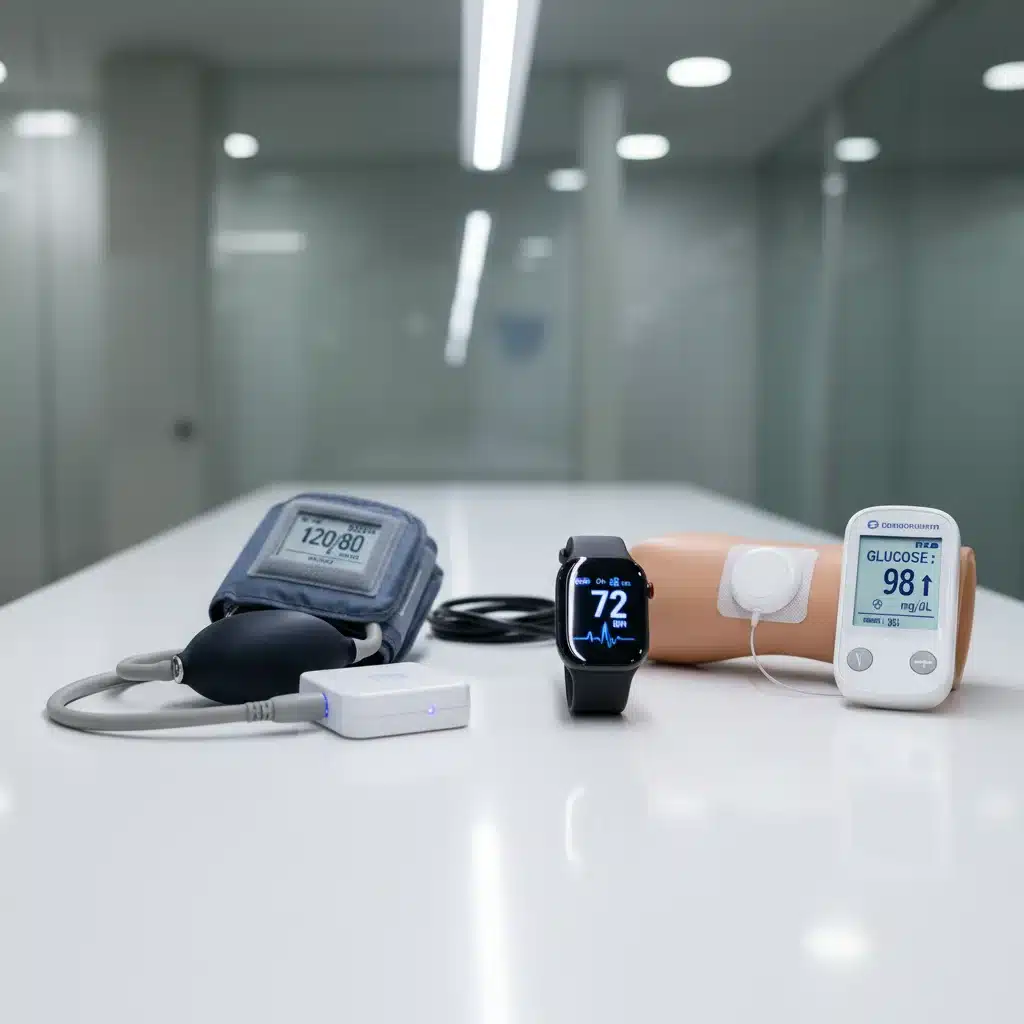
New generations of sensors are more accurate, less invasive, and capable of monitoring a wider range of physiological parameters. This includes continuous glucose monitoring, advanced ECG capabilities in wearables, continuous blood pressure monitoring, and even non-invasive hydration or stress level tracking. The ability to collect high-fidelity data unobtrusively is a game-changer for Remote Patient Monitoring.
3. Enhanced Connectivity (5G and Beyond):
The rollout of 5G networks promises ultra-low latency and high bandwidth, which is critical for real-time data transmission from RPM devices, especially in scenarios requiring immediate feedback or for complex data streams like high-resolution video for virtual consultations. This will enable more robust and reliable Remote Patient Monitoring experiences.
4. Edge Computing:
Processing data closer to the source (at the ‘edge’ of the network) reduces latency and bandwidth requirements, especially important for critical alerts and immediate device feedback. This allows for faster insights and more responsive systems within the Remote Patient Monitoring ecosystem.
5. Interoperability Standards:
The development and adoption of robust interoperability standards (e.g., FHIR) are making it easier for RPM platforms to integrate seamlessly with EHRs and other healthcare IT systems. This reduces data silos, improves data flow, and provides a holistic view of the patient for care teams, a crucial aspect for scalable Remote Patient Monitoring solutions.
6. Cybersecurity & Data Privacy:
As more sensitive health data is collected and transmitted, robust cybersecurity measures and adherence to strict data privacy regulations (like HIPAA, GDPR) are paramount. Startups offering secure-by-design Remote Patient Monitoring solutions will build trust and meet regulatory requirements, which are non-negotiable in healthcare.
These technological advancements are not merely incremental improvements; they represent a fundamental shift in what is possible with Remote Patient Monitoring, opening doors for innovative applications and business models.
Challenges and Opportunities for Remote Patient Monitoring Startups
While the market opportunity is vast, navigating the Remote Patient Monitoring landscape comes with its unique set of challenges. Startups must be prepared to address these to succeed.
Key Challenges:
- Regulatory Compliance: Navigating complex and evolving healthcare regulations (FDA clearance, HIPAA, GDPR, etc.) can be daunting and costly.
- Data Security and Privacy: Protecting sensitive patient data from breaches is a constant challenge and a critical trust factor.
- Interoperability: Integrating with diverse and often legacy EHR systems across different healthcare organizations remains a significant hurdle.
- Patient Adherence and Engagement: Ensuring patients consistently use devices and engage with the system requires thoughtful design and support.
- Reimbursement Complexity: While improving, understanding and maximizing reimbursement for Remote Patient Monitoring services can be intricate.
- Scalability: Designing a system that can effectively manage a large number of patients and data streams without compromising performance.
- Clinical Integration: Effectively embedding RPM into existing clinical workflows and ensuring adoption by healthcare providers.
Opportunities to Capitalize On:
- Niche Specialization: Focusing on specific chronic conditions (e.g., congestive heart failure, diabetes, hypertension) or patient populations (e.g., post-surgery recovery, maternal care, mental health) can allow startups to build deep expertise and highly tailored solutions for Remote Patient Monitoring.
- AI-Powered Insights: Developing advanced AI/ML algorithms to provide predictive insights, automate data analysis, and reduce clinician workload.
- User-Centric Design: Creating intuitive, comfortable, and aesthetically pleasing devices and platforms that enhance patient adherence and engagement.
- Integrated Care Platforms: Building comprehensive platforms that combine RPM with virtual consultations, digital therapeutics, and educational content to offer holistic care.
- Partnerships: Collaborating with established healthcare providers, insurance companies, pharmaceutical firms, and even consumer tech companies to accelerate market entry and adoption of Remote Patient Monitoring.
- Global Expansion: While starting locally, planning for international expansion into markets with similar healthcare needs and regulatory environments.
- Data Monetization (Ethical & Anonymized): Exploring ethical ways to leverage aggregated, anonymized data for research, public health initiatives, and pharmaceutical development, ensuring strict adherence to privacy regulations.
The ability of a startup to strategically address these challenges while capitalizing on the identified opportunities will be a defining factor in its success in the Remote Patient Monitoring sector.
Strategic Imperatives for Remote Patient Monitoring Startups by 2026
To thrive in the competitive Remote Patient Monitoring market, startups must adopt a multi-faceted strategic approach. The following imperatives will be critical for long-term success and market leadership by 2026.
1. Focus on Clinical Validation and Outcomes:
Healthcare providers and payers demand evidence-based solutions. Startups must invest in rigorous clinical validation studies to demonstrate the effectiveness of their Remote Patient Monitoring solutions in improving patient outcomes, reducing costs, and enhancing quality of life. Publishing these results in peer-reviewed journals will build credibility and trust.
2. Prioritize User Experience (UX) for Both Patients and Clinicians:
High adoption rates for Remote Patient Monitoring depend on a seamless and intuitive experience. For patients, devices must be comfortable, easy to use, and non-intrusive. For clinicians, the platform needs to be efficient, integrate into existing workflows, and provide actionable insights without adding to their cognitive burden. A strong UX is a differentiator.
3. Build a Robust and Secure Data Infrastructure:
The foundation of any successful Remote Patient Monitoring solution is a secure, scalable, and interoperable data infrastructure. This includes strong encryption, compliance with data privacy regulations, and the ability to integrate with various EHR systems. Investing in this core infrastructure early will prevent significant challenges down the line.
4. Develop Strong Partnership Ecosystems:
Few startups can succeed in healthcare alone. Forging strategic partnerships with hospitals, health systems, primary care networks, insurance providers, and even other MedTech companies can provide access to patient populations, distribution channels, clinical expertise, and reimbursement guidance for Remote Patient Monitoring solutions.
5. Adapt to Evolving Reimbursement Models:
The reimbursement landscape for Remote Patient Monitoring is dynamic. Startups need to stay abreast of changes in coding, payment policies, and value-based care initiatives to ensure their business model remains sustainable and attractive to providers. Offering support and guidance to providers on maximizing reimbursement can also be a valuable service.
6. Innovate with AI and Personalization:
Leverage AI and machine learning not just for predictive analytics but also for personalizing the patient experience. This could include tailored health insights, customized educational content, and adaptive monitoring protocols. Personalization can significantly boost patient engagement with Remote Patient Monitoring.
7. Focus on Scalability from Day One:
Design the Remote Patient Monitoring solution with scalability in mind, both in terms of the number of patients it can support and the range of conditions it can monitor. A modular architecture and cloud-native infrastructure are key to rapid expansion.
8. Invest in Continuous Improvement and Feedback Loops:
The healthcare and technology landscapes are constantly evolving. Startups must establish strong feedback loops with patients and clinicians to continuously iterate on their product, address pain points, and incorporate new features that add value to their Remote Patient Monitoring offerings.
The Future of Remote Patient Monitoring Beyond 2026
While 2026 represents a significant milestone for Remote Patient Monitoring, the innovation doesn’t stop there. The future promises even more sophisticated and integrated solutions.
- Proactive and Preventive Care: RPM will move beyond just monitoring existing conditions to actively predicting and preventing their onset, leveraging advanced AI and genetic data.
- Hyper-Personalized Health: Devices will offer highly individualized insights and interventions based on a deeper understanding of each patient’s unique physiology, lifestyle, and genetic predispositions.
- Integrated Digital Therapeutics: Remote Patient Monitoring will be seamlessly combined with digital therapeutics (software-based interventions) to provide comprehensive, evidence-based care pathways.
- Ambient Sensing and Invisible Monitoring: Future RPM solutions may involve ambient sensors embedded in homes (e.g., smart mirrors, radar-based vital sign monitors) that collect data unobtrusively, without requiring patients to wear devices.
- Decentralized Clinical Trials: RPM will play a crucial role in enabling decentralized clinical trials, allowing researchers to collect real-world data more efficiently and broadly.
- Global Health Equity: As technologies become more affordable and accessible, Remote Patient Monitoring has the potential to bridge healthcare gaps in underserved regions globally.
The trajectory for Remote Patient Monitoring is one of continuous evolution, driven by technological ingenuity and an unwavering commitment to improving human health. Startups entering this space now have the unique opportunity to shape this future.
Conclusion: Seizing the Remote Patient Monitoring Opportunity
The telehealth MedTech sector, particularly the domain of Remote Patient Monitoring, is poised for explosive growth by 2026. The confluence of an aging population, rising chronic disease burden, technological breakthroughs, and supportive regulatory frameworks creates an unparalleled market opportunity for innovative startups. Success will hinge on a deep understanding of market dynamics, a commitment to clinical validation, a relentless focus on user experience, and the ability to forge strategic partnerships.
Startups that can effectively navigate the challenges of regulatory compliance, data security, and interoperability, while simultaneously leveraging the power of AI, advanced sensors, and personalized care, are exceptionally well-positioned to capture significant market share. The time to invest in, innovate, and scale solutions in Remote Patient Monitoring is now. The healthcare landscape of 2026 will be defined by those who seize this transformative opportunity, ultimately leading to a more connected, proactive, and patient-centric world of care.