IRA’s 2026 Impact: Drug Pricing, R&D, and Healthcare Futures
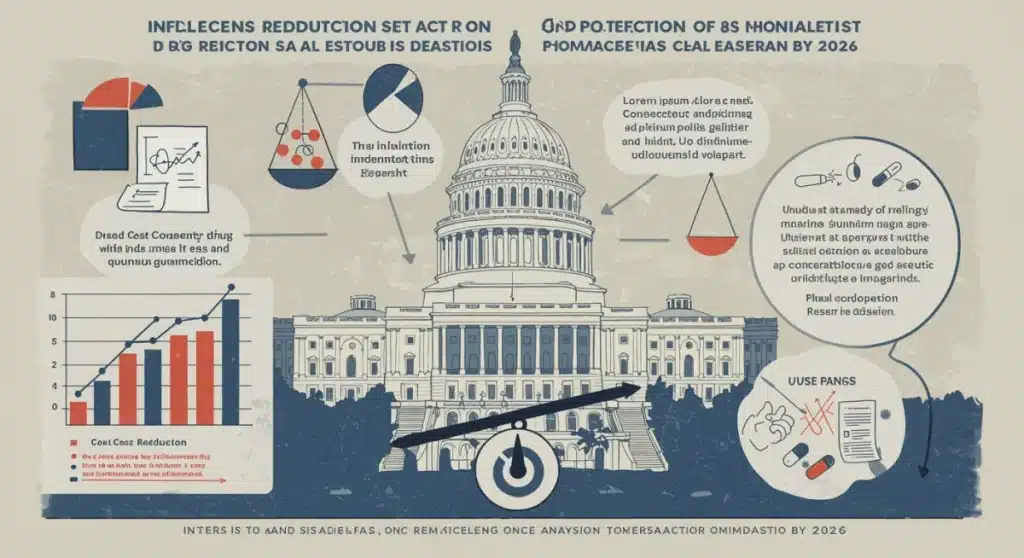
The Inflation Reduction Act’s 2026 provisions significantly alter drug pricing negotiations and pharmaceutical R&D, aiming for lower costs while potentially reshaping innovation incentives within the US healthcare landscape.
The Inflation Reduction Act: Analyzing its 2026 Impact on Drug Pricing Negotiations and Pharmaceutical R&D (COMPARISON/ANALYSIS) marks a pivotal moment for the US healthcare system. This landmark legislation introduces profound changes, particularly those set to fully materialize by 2026, directly affecting how prescription drugs are priced and how pharmaceutical companies approach research and development. Understanding these shifts is crucial for patients, providers, and innovators alike.
Understanding the Inflation Reduction Act’s Core Drug Pricing Provisions
The Inflation Reduction Act (IRA), signed into law in August 2022, represents a significant legislative effort to curb healthcare costs, especially for prescription drugs. While many provisions phased in over time, 2026 is a critical year as several key drug pricing negotiation mechanisms become fully operational. These provisions empower Medicare to negotiate prices for a select number of high-cost drugs, a power previously unavailable.
This new negotiation authority aims to reduce out-of-pocket costs for seniors and lower overall Medicare spending. The selection of drugs for negotiation is based on several criteria, primarily focusing on drugs that have been on the market for a certain period without generic competition and represent a significant expenditure for Medicare. The process is complex, involving data submission from manufacturers and extensive discussions with the Centers for Medicare & Medicaid Services (CMS).
Key Negotiation Mechanisms in 2026
- Selected Drug Negotiation: By 2026, Medicare will be actively negotiating prices for more costly Part D and Part B drugs.
- Inflation Rebates: Pharmaceutical companies must pay rebates to Medicare if their drug prices rise faster than inflation, a measure designed to prevent excessive price increases.
- Out-of-Pocket Cap: A $2,000 annual cap on out-of-pocket prescription drug costs for Medicare Part D beneficiaries takes full effect, providing substantial financial relief to millions.
The implications of these mechanisms are far-reaching. For patients, it means potentially lower prescription drug costs and greater financial predictability. For the pharmaceutical industry, it signals a new era of price regulation, compelling companies to re-evaluate their pricing strategies and market access approaches. The initial drugs selected for negotiation in earlier phases have already set a precedent, and by 2026, the scope of these negotiations will broaden, impacting a larger segment of the pharmaceutical market.
The Immediate Impact on Pharmaceutical R&D Strategies
The prospect of negotiated drug prices has sent ripples through the pharmaceutical industry, prompting a re-evaluation of research and development (R&D) strategies. Companies are now keenly aware that the profitability of their future products could be directly influenced by government negotiations. This awareness is driving changes in how R&D investments are prioritized and allocated, particularly for drugs aimed at the Medicare population.
One immediate effect is a potential shift in focus towards developing novel therapies that are less likely to be subject to early price negotiations. This might include drugs for rare diseases or those with truly transformative clinical benefits, which could command higher prices for longer before facing negotiation. There’s also an increased emphasis on demonstrating superior clinical value and cost-effectiveness from the outset of a drug’s lifecycle.
R&D Prioritization Shifts
- Focus on Novelty: Greater investment in first-in-class drugs or those addressing unmet medical needs, which may be exempt from negotiation for longer periods.
- Orphan Drug Development: Continued interest in orphan drugs, which often have different regulatory and pricing pathways.
- Early Value Demonstration: Increased pressure to collect robust real-world evidence and cost-effectiveness data throughout clinical trials to justify future pricing.
Pharmaceutical firms are also exploring partnerships and collaborations earlier in the drug development process to de-risk investments and share financial burdens. The traditional model of extensive R&D followed by high launch prices is being challenged, requiring a more agile and strategically planned approach to product pipelines. By 2026, we anticipate seeing tangible evidence of these strategic shifts in pipeline announcements and clinical trial designs, as companies adapt to the new economic realities imposed by the IRA.
Comparing Pre-IRA and Post-IRA Drug Development Landscapes
To fully grasp the significance of the Inflation Reduction Act, it’s essential to compare the drug development landscape before its enactment with the anticipated environment post-2026. Historically, pharmaceutical companies operated under a system where drug pricing was largely determined by market forces, with little direct government intervention. This allowed for significant pricing flexibility, particularly for innovative therapies.
The pre-IRA era encouraged broad investment across various therapeutic areas, with the expectation that successful drugs could recoup R&D costs and generate substantial profits. While this model fostered innovation, it also led to escalating drug prices, becoming a major concern for patients and policymakers. The focus was often on maximizing peak sales and extending patent life.
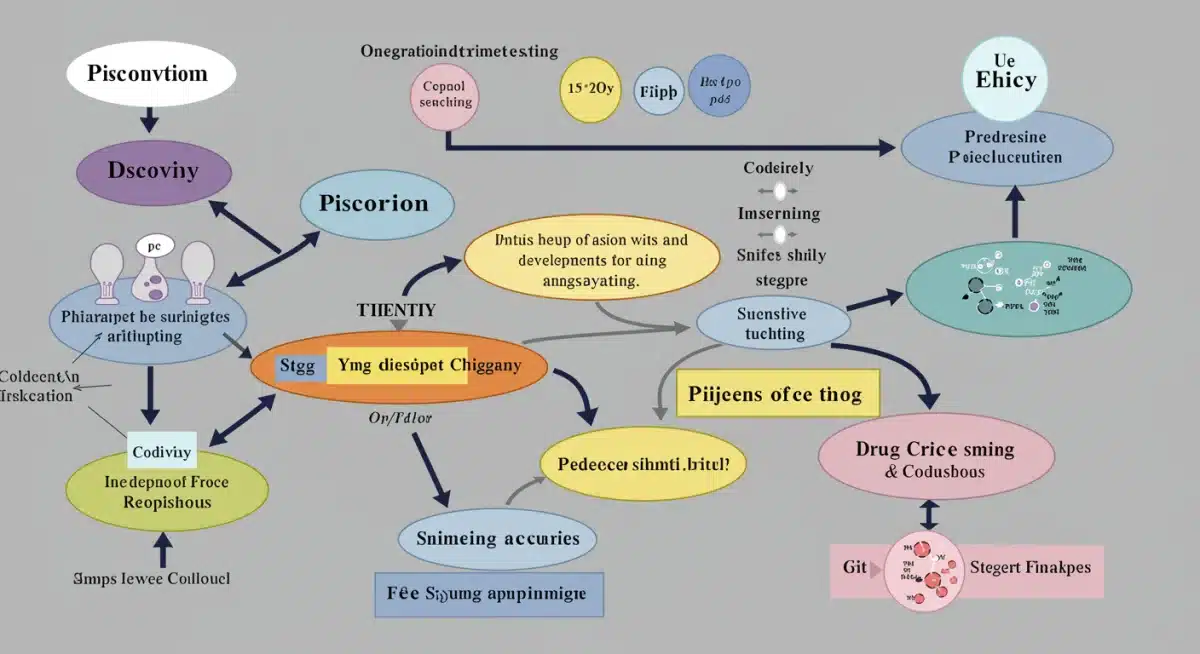
Post-IRA, particularly by 2026, the landscape is fundamentally altered. The introduction of Medicare’s negotiation power means that the ultimate price of a drug is no longer solely a corporate decision. This shift introduces a new layer of financial uncertainty for drug developers, potentially influencing which projects receive funding and which are shelved. The emphasis shifts from simply developing a drug to developing a drug that can withstand price scrutiny and negotiation.
Key Differences in Drug Development
- Pricing Autonomy: Reduced for certain drugs post-IRA, leading to more constrained revenue projections.
- Investment Horizon: Shorter exclusivity periods for small molecule drugs under IRA may encourage faster development cycles or a pivot to biologics.
- Risk Assessment: Increased scrutiny on the commercial viability of late-stage assets, factoring in potential negotiation outcomes.
This comparison highlights a move towards a more regulated environment, where public health needs and affordability are given greater weight in the drug pricing equation. While the industry fears a chilling effect on innovation, proponents argue it will lead to more responsible pricing and a greater focus on truly impactful therapies rather than incremental improvements.
The Role of Biosimilars and Generics in the New Environment
The Inflation Reduction Act also has significant, albeit indirect, implications for the market penetration and development of biosimilars and generics. By encouraging lower drug prices through negotiation, the IRA implicitly strengthens the role of these cost-effective alternatives. As branded drugs face price pressure, the economic incentive for healthcare systems and patients to adopt generics and biosimilars will only grow stronger.
The IRA’s provisions, especially the inflation rebates and the direct negotiation authority, create an environment where manufacturers of branded drugs must be more competitive. This increased competition, coupled with the potential for negotiated lower prices, could accelerate the uptake of biosimilars and generics. These alternatives offer substantial savings and are crucial for ensuring access to affordable medicines.
Catalysts for Biosimilar/Generic Growth
- Increased Cost Sensitivity: Medicare negotiations will make the system more cost-sensitive, favoring lower-priced alternatives.
- Policy Support: While not direct, the IRA’s overall thrust for lower drug costs aligns with the goals of expanding biosimilar and generic use.
- Market Dynamics: As branded drug revenues potentially decrease due to negotiation, the relative attractiveness of the generic/biosimilar market might increase for some manufacturers.
By 2026, we could see a more robust market for biosimilars, driven by both push and pull factors. The push comes from policies that limit branded drug pricing, while the pull originates from payers and patients seeking more affordable options. This dynamic could stimulate further investment in biosimilar development, particularly for complex biologic drugs that currently face limited competition. The IRA’s long-term effect might be a more balanced pharmaceutical market, where innovation coexists with widespread access to affordable treatments through generics and biosimilars.
Potential Long-Term Effects on Pharmaceutical Innovation and Investment
Looking beyond 2026, the long-term effects of the Inflation Reduction Act on pharmaceutical innovation and investment remain a subject of intense debate. Critics argue that reduced revenue from negotiated prices will inevitably lead to decreased R&D spending, stifling the development of future breakthrough therapies. They contend that the high cost of drug discovery necessitates significant financial incentives to justify the risks involved.
Conversely, proponents of the IRA argue that the industry will adapt by focusing R&D on areas of true unmet medical need, where the value proposition is undeniable. They believe that a more efficient allocation of R&D resources, coupled with a greater emphasis on cost-effectiveness, could lead to more impactful innovations rather than a proliferation of ‘me-too’ drugs. The legislation might also encourage investment in areas less directly impacted by the negotiation provisions, such as early-stage research or diagnostics.
Future Investment Trends
- Early-Stage Research: Potential shift towards earlier, more fundamental research, leveraging grants and academic partnerships.
- Digital Health Integration: Increased investment in digital therapeutics and health technologies that complement drug therapies and offer additional value.
- Global Diversification: Pharmaceutical companies may diversify their R&D and market strategies globally to mitigate risks associated with US policy changes.
The pharmaceutical industry is inherently resilient and adaptable. While the IRA presents new challenges, it also compels companies to innovate not just in drug discovery, but also in business models and value delivery. By 2026 and beyond, we might observe a recalibration of investment priorities, potentially leading to a more streamlined and value-driven approach to pharmaceutical innovation. The ultimate outcome will depend on how effectively the industry navigates these new regulatory waters and how policymakers respond to evolving market dynamics.
Navigating the Regulatory Landscape: Challenges and Opportunities for MedTech
The Inflation Reduction Act’s influence extends beyond traditional pharmaceuticals, subtly shaping the broader MedTech landscape, especially by 2026. While the direct drug pricing negotiations primarily target prescription drugs, the overall emphasis on cost containment and value-based care within the IRA creates both challenges and opportunities for MedTech companies. As healthcare providers face tighter budgets due to reduced drug spending, they will increasingly seek cost-effective medical devices and digital health solutions.
For MedTech startups and innovators, this environment demands a clear demonstration of economic value alongside clinical efficacy. Products that can reduce hospital stays, prevent readmissions, or improve patient outcomes efficiently will be highly sought after. The IRA indirectly encourages systems to optimize their overall spending, pushing MedTech companies to align their offerings with these new financial realities.
MedTech Adaptation Strategies
- Value-Based Solutions: Develop devices and technologies that directly contribute to cost savings or improved efficiency in care delivery.
- Data-Driven Outcomes: Emphasize robust clinical data and real-world evidence to prove the economic benefit of MedTech innovations.
- Interoperability: Focus on solutions that integrate seamlessly into existing healthcare IT infrastructures, reducing implementation costs and improving data flow.
The shift towards a more value-conscious healthcare system also presents an opportunity for MedTech innovations that can help pharmaceutical companies and providers navigate the new drug pricing environment. This includes advanced diagnostics that personalize treatment, digital platforms that support medication adherence, and AI-powered tools that optimize supply chains. By 2026, MedTech companies that proactively align with the IRA’s underlying goals of affordability and efficiency will likely find significant growth avenues, fostering a more integrated and cost-effective healthcare ecosystem.
| Key Impact Area | Brief Description of 2026 Effect |
|---|---|
| Drug Price Negotiation | Medicare gains power to negotiate prices for a growing number of high-cost drugs, directly lowering patient and government spending. |
| Pharmaceutical R&D | Companies may shift R&D focus towards novel therapies, orphan drugs, or biologics to mitigate negotiation risks. |
| Biosimilar & Generic Market | Increased pressure on branded drug prices could accelerate the adoption and development of more affordable alternatives. |
| MedTech Innovation | Emphasis on cost-effective solutions and value demonstration for devices and digital health tools. |
Frequently Asked Questions About the IRA’s 2026 Drug Impact
The primary goal is to lower prescription drug costs for Medicare beneficiaries and reduce overall Medicare spending. By 2026, Medicare will be actively negotiating prices for a larger selection of high-cost drugs, aiming to make essential medicines more affordable and accessible to seniors.
The IRA introduces uncertainty regarding future drug revenues, potentially shifting R&D investments. Companies may prioritize therapies with longer negotiation exemption periods, such as biologics or drugs for rare diseases, and focus on demonstrating clear clinical and economic value earlier in development.
No, not all drugs will be subject to negotiation. The IRA specifies criteria, focusing on certain high-cost, single-source drugs that have been on the market for a set number of years without generic or biosimilar competition. The number of negotiated drugs will increase incrementally over time.
The $2,000 annual out-of-pocket cap for Medicare Part D beneficiaries, fully effective by 2026, offers substantial financial protection. It ensures that seniors and individuals with disabilities won’t face unlimited drug costs, providing predictability and relief for those with high prescription expenses.
The IRA’s focus on cost containment in healthcare will drive demand for cost-effective MedTech solutions. Companies that offer devices or digital health tools demonstrating clear value, efficiency, and improved patient outcomes will likely find new opportunities as providers seek ways to optimize spending.
Conclusion
The Inflation Reduction Act’s provisions, particularly those coming into full effect by 2026, are reshaping the fundamental dynamics of drug pricing negotiations and pharmaceutical R&D in the United States. While the immediate goal is to reduce prescription drug costs for millions of Americans, the long-term implications are complex and multifaceted. The pharmaceutical industry is adapting by re-evaluating R&D pipelines, emphasizing value demonstration, and exploring new strategic partnerships. Simultaneously, the MedTech sector faces opportunities to innovate with cost-effective, outcome-driven solutions. As the healthcare landscape evolves, continuous monitoring and analysis will be crucial to understand the full scope of the IRA’s impact on innovation, access, and affordability in the years to come.