Navigating 2026 Drug Pricing Negotiations: Impact on Pharma & MedTech Partnerships

How the 2026 Drug Pricing Negotiations Will Reshape Pharmaceutical and MedTech Partnerships
The year 2026 looms large on the horizon for the pharmaceutical and MedTech industries, carrying with it the weight of impending drug pricing negotiations. These aren’t just minor adjustments; they represent a seismic shift in how medications and medical technologies are valued, developed, and brought to market. The implications for existing and future partnerships between pharmaceutical companies and MedTech innovators are profound, necessitating a strategic re-evaluation of business models, R&D investments, and collaborative frameworks. Understanding the nuances of these changes is paramount for any stakeholder looking to thrive in this evolving landscape.
The Inflation Reduction Act (IRA) of 2022 laid the groundwork for these transformative changes, empowering Medicare to negotiate the prices of certain high-cost prescription drugs. While the initial focus was on a limited number of drugs, the scope is set to expand significantly by 2026, leading to widespread ramifications across the entire healthcare ecosystem. This article delves deep into how these drug pricing negotiations will reshape the strategic alliances that drive innovation and patient care in the pharmaceutical and MedTech sectors.
The Genesis of Change: Understanding the Inflation Reduction Act’s Impact
To fully grasp the magnitude of the 2026 drug pricing negotiations, it’s crucial to revisit the core tenets of the IRA. This landmark legislation marked a significant departure from previous policies, which largely prohibited Medicare from negotiating drug prices. The IRA introduces a phased approach, starting with a small number of high-cost drugs in 2026 and gradually increasing the number of eligible drugs in subsequent years. The selection criteria are specific, focusing on drugs that have been on the market for a certain period without generic or biosimilar competition and represent a significant portion of Medicare spending.
The primary objective of these negotiations is to reduce healthcare costs for beneficiaries and the federal government. However, the ripple effects extend far beyond direct cost savings. Pharmaceutical companies are now confronted with a future where the pricing of their most successful products will be subject to direct negotiation, potentially impacting revenues and profitability. This shift is forcing a re-evaluation of research and development (R&D) pipelines, market access strategies, and, critically, how they engage with MedTech partners.
Key Provisions and Timeline
- 2026: Medicare begins negotiating prices for 10 Part D drugs.
- 2027: An additional 15 Part D drugs are added to the negotiation list.
- 2028: 15 more drugs, including those from Part B and Part D, become eligible.
- 2029 and beyond: 20 drugs annually from Part B and Part D are subject to negotiation.
The selection process prioritizes drugs that have been approved for at least 7 years (for small molecule drugs) or 11 years (for biologics) and lack significant generic or biosimilar competition. This timeframe is crucial as it targets drugs that have had a substantial period of market exclusivity, allowing companies to recoup R&D investments before price negotiation commences. However, the prospect of future negotiations will undoubtedly influence investment decisions much earlier in the drug development lifecycle.
Reshaping Pharmaceutical R&D and Investment Strategies
One of the most immediate and profound impacts of the impending drug pricing negotiations is on pharmaceutical R&D. Companies are now faced with a shorter effective patent life for their most profitable drugs, as the negotiation window effectively truncates the period of unconstrained pricing. This will necessitate a strategic shift in how R&D investments are prioritized and managed.
Focus on Early Innovation and Breakthrough Therapies
Pharmaceutical companies are likely to intensify their focus on developing truly innovative, first-in-class therapies that can command premium pricing for a longer duration before becoming eligible for negotiation. The emphasis will be on demonstrating superior clinical value and significant unmet medical need to justify higher initial prices. This could lead to an acceleration of research in areas like gene therapies, personalized medicine, and rare diseases, where the potential for breakthrough impact is high.
Pipeline Prioritization and De-risking
The negotiation framework will also influence pipeline prioritization. Drugs with longer development timelines and higher R&D costs might face increased scrutiny if their market exclusivity period is perceived as too short before price negotiations begin. Companies may seek to de-risk their portfolios by investing in projects with clearer clinical pathways and a higher probability of success, potentially leading to a more cautious approach to highly speculative research.
The Role of Data and Real-World Evidence
In a world of negotiated drug prices, the ability to demonstrate the real-world value of a therapy will become even more critical. Pharmaceutical companies will need robust data and real-world evidence (RWE) to support their pricing arguments during negotiations. This includes not only clinical efficacy but also factors like improved patient outcomes, reduced hospitalizations, and enhanced quality of life. This increased reliance on data will create new opportunities for MedTech partners specializing in data analytics, digital health solutions, and patient monitoring.
The Evolving Landscape of MedTech Partnerships
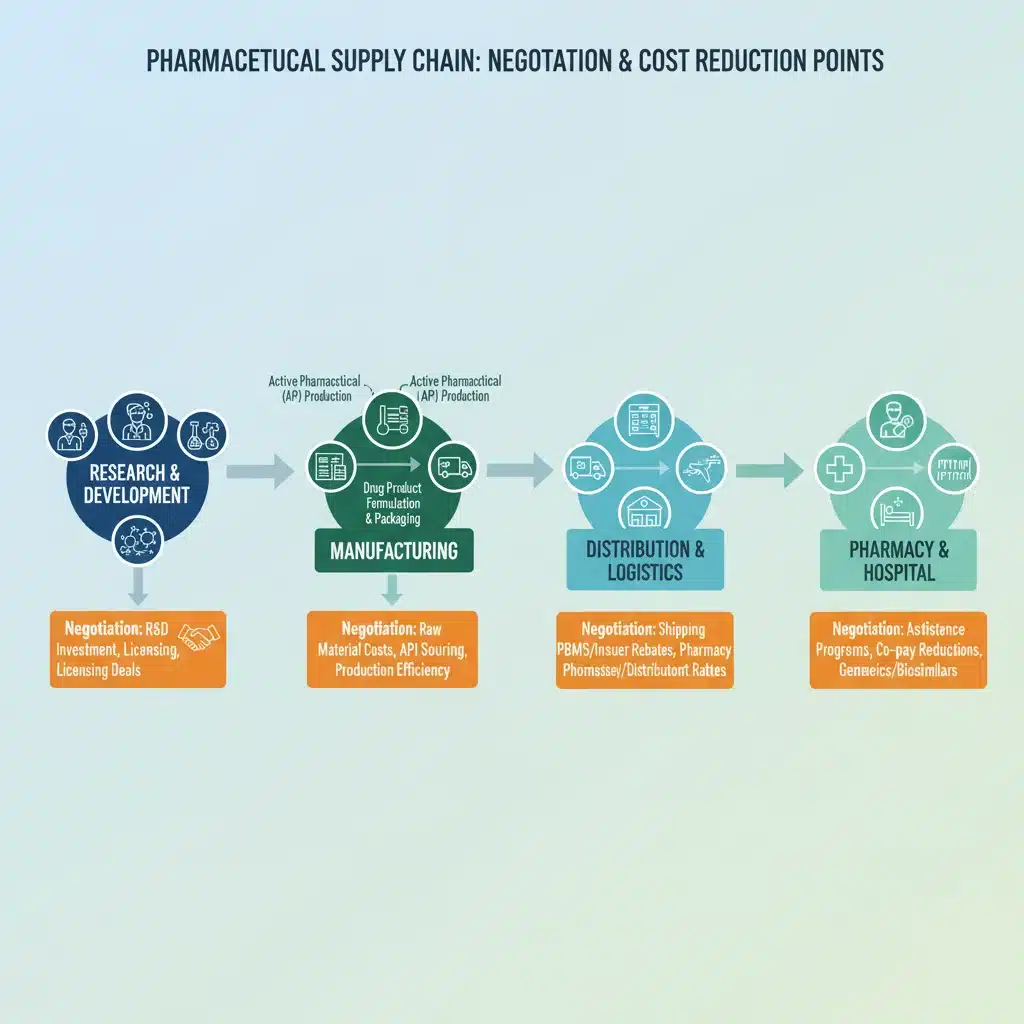
The 2026 drug pricing negotiations will not only affect pharmaceutical companies but also significantly reshape their relationships with MedTech partners. MedTech innovators play a crucial role in drug development, delivery, and monitoring, and their integration with pharmaceutical strategies will become even more vital in a cost-constrained environment.
Integrated Solutions for Value Demonstration
As pharmaceutical companies strive to demonstrate the value of their drugs, MedTech solutions will become indispensable. Diagnostic tools, companion diagnostics, digital therapeutics, and remote monitoring devices can provide crucial data on patient response, adherence, and overall health outcomes. Partnerships that offer integrated drug-device solutions will be highly valued, as they provide a more comprehensive picture of a therapy’s effectiveness and economic benefit.
Enhancing Patient Adherence and Outcomes
Poor patient adherence to medication regimens is a significant challenge in healthcare, leading to suboptimal outcomes and increased costs. MedTech solutions, such as smart pill bottles, wearable sensors, and mobile health apps, can significantly improve adherence. Pharmaceutical companies will increasingly seek partnerships with MedTech firms that can provide these solutions, not only to improve patient health but also to strengthen their value proposition during price negotiations by demonstrating better real-world effectiveness.
Cost-Efficiency Through MedTech Innovation
MedTech can also contribute to cost-efficiency in drug delivery and administration. Innovative devices that simplify drug administration, reduce the need for hospital visits, or enable home-based care can lead to substantial cost savings for the healthcare system. Pharmaceutical companies will look for MedTech partners that can help them achieve these efficiencies, thereby strengthening their negotiating position by presenting a more cost-effective overall solution.
Strategic Alliances: A New Imperative
In the face of intensifying drug pricing negotiations, strategic alliances between pharmaceutical and MedTech companies will evolve from being advantageous to becoming an absolute imperative. These partnerships will be crucial for navigating regulatory complexities, demonstrating value, and sustaining innovation.
Joint Ventures and Co-Development Agreements
Expect to see a rise in joint ventures and co-development agreements that integrate drug and device development from the outset. This allows for a holistic approach to patient care, where the therapy and its delivery mechanism are optimized together. Such collaborations can lead to more effective treatments and stronger data packages for price negotiations.
Data Sharing and Analytics Partnerships
The increasing importance of real-world evidence will drive partnerships focused on data sharing and advanced analytics. Pharmaceutical companies will collaborate with MedTech firms that possess expertise in collecting, analyzing, and interpreting large datasets from connected devices and digital health platforms. These insights will be invaluable for demonstrating the true value of a drug in diverse patient populations.
Market Access and Payer Engagement
MedTech partners can also play a vital role in market access and payer engagement strategies. By integrating devices that demonstrate cost-effectiveness or improve patient outcomes, pharmaceutical companies can present a more compelling case to payers and negotiating bodies. MedTech firms with established relationships with healthcare providers and payers can facilitate these discussions, offering a more integrated approach to market entry and reimbursement.
Challenges and Mitigation Strategies for Partnerships
While the opportunities for pharmaceutical and MedTech partnerships are significant, the 2026 drug pricing negotiations also present unique challenges that must be addressed proactively.
Aligning Incentives and Value Propositions
One of the primary challenges will be aligning incentives between pharmaceutical companies, focused on drug pricing, and MedTech companies, often focused on device sales and recurring service revenue. Partnerships will need clear frameworks for value sharing and a shared understanding of how their combined offering contributes to overall healthcare value.
Regulatory Complexity and Compliance
Navigating the complex regulatory landscape for both drugs and medical devices, especially when combined, will require significant expertise. Partners will need to ensure compliance with diverse regulations, including those related to data privacy (e.g., HIPAA), device clearance, and drug approvals. Robust legal and regulatory teams will be essential to manage these complexities.
Intellectual Property and Data Ownership
Clear agreements on intellectual property (IP) ownership and data rights will be critical. As drugs and devices become more integrated, defining who owns what, especially concerning proprietary algorithms, patient data, and combined technologies, will be paramount to avoid disputes and foster long-term collaboration.
Building Trust and Communication
Successful partnerships are built on trust and open communication. Both pharmaceutical and MedTech companies will need to invest in fostering strong relationships, establishing clear communication channels, and developing shared goals to navigate the pressures of price negotiations effectively.
Case Studies and Future Outlook
While the full impact of the 2026 drug pricing negotiations is yet to be seen, we can anticipate certain trends and learn from existing models of integrated care.
Examples of Integrated Care Models
Consider the growing prevalence of continuous glucose monitoring (CGM) devices integrated with insulin delivery systems for diabetes management. These MedTech innovations not only improve patient outcomes but also provide valuable data that can inform treatment decisions and demonstrate the long-term value of insulin therapies. Such integrated solutions are likely to become the gold standard for many chronic conditions, offering a compelling argument for value during price negotiations.
Another example lies in oncology, where companion diagnostics are essential for identifying patients who will benefit most from specific targeted therapies. These MedTech tools ensure that expensive drugs are administered to the right patients, optimizing efficacy and reducing wasteful spending. Future partnerships will likely deepen this integration, with diagnostics and therapies being developed in tandem.

The Rise of Value-Based Care Models
The emphasis on price negotiation will accelerate the shift towards value-based care models. In these models, reimbursement is tied to patient outcomes rather than the volume of services or products. Pharmaceutical and MedTech partnerships will be crucial in developing and implementing solutions that can effectively measure and improve these outcomes, thereby demonstrating the value necessary to secure favorable pricing and reimbursement.
Innovation Beyond the Pill
The pressure on drug pricing will encourage pharmaceutical companies to look ‘beyond the pill’ for sources of value and differentiation. This means investing in services, digital tools, and MedTech solutions that complement their drug offerings. These ‘beyond the pill’ strategies can include patient support programs, adherence tools, remote monitoring, and personalized health coaching, all delivered through MedTech platforms. These additional services can enhance the overall value proposition of a drug, making it more attractive to payers and patients alike, even in a negotiated pricing environment.
Increased Focus on Prevention and Early Intervention
As healthcare systems seek to reduce long-term costs, there will be an increased focus on prevention and early intervention. MedTech devices, such as wearables for early disease detection or digital health platforms for chronic disease management, can play a pivotal role here. Pharmaceutical companies may explore partnerships in these areas, recognizing that preventing disease progression can reduce the need for more expensive treatments down the line, aligning with the broader goals of cost containment and value demonstration.
Preparing for the Future: Recommendations for Pharma and MedTech
To navigate the complexities of the 2026 drug pricing negotiations and reshape their partnerships for success, both pharmaceutical and MedTech companies should consider several strategic actions.
For Pharmaceutical Companies:
- Re-evaluate R&D Portfolios: Prioritize early-stage innovation and breakthrough therapies with strong clinical differentiation.
- Invest in Real-World Evidence: Develop robust capabilities for collecting and analyzing real-world data to demonstrate value.
- Seek Integrated Solutions: Actively pursue partnerships with MedTech companies that offer complementary technologies for drug delivery, monitoring, and patient support.
- Strengthen Payer Engagement: Develop sophisticated market access strategies that emphasize value-based contracting and outcomes-based reimbursement.
- Embrace Digital Health: Integrate digital health solutions to enhance patient adherence, improve outcomes, and provide data for value demonstration.
For MedTech Companies:
- Focus on Value-Add: Develop solutions that clearly demonstrate cost savings, improved patient outcomes, or enhanced efficiency in healthcare delivery.
- Build Data and Analytics Capabilities: Offer advanced data collection, analysis, and interpretation services that can support pharmaceutical value propositions.
- Seek Early Engagement with Pharma: Partner with pharmaceutical companies early in the drug development lifecycle to co-create integrated solutions.
- Understand the Payer Landscape: Develop a deep understanding of payer needs and reimbursement models to position products effectively.
- Ensure Regulatory Agility: Maintain robust regulatory expertise to navigate the complex landscape of combined drug-device products.
Conclusion
The 2026 drug pricing negotiations represent a pivotal moment for the pharmaceutical and MedTech industries. While they introduce significant challenges, they also create unprecedented opportunities for innovation, collaboration, and the development of truly integrated patient-centric solutions. The future of healthcare will be defined by strategic partnerships that can effectively demonstrate value, optimize patient outcomes, and navigate the evolving economic realities of drug development and delivery.
Companies that proactively adapt their strategies, foster strong collaborative relationships, and embrace data-driven approaches will be best positioned to thrive in this new era. The reshaping of pharmaceutical and MedTech partnerships is not merely a defensive maneuver but a strategic imperative to continue delivering life-changing innovations to patients while ensuring the sustainability of healthcare systems worldwide. The journey ahead will demand agility, foresight, and an unwavering commitment to demonstrating the true value of every treatment and technology.
The impact of these negotiations will extend beyond the immediate fiscal considerations, fostering a fundamental shift in how value is perceived and measured across the healthcare spectrum. It will encourage a more holistic view of patient care, where the synergy between groundbreaking drugs and innovative medical technologies becomes the cornerstone of effective and affordable treatment. The coming years will undoubtedly be a period of significant transformation, defining the contours of pharmaceutical and MedTech collaboration for decades to come.