US Healthcare Policy Shifts: 2025 Drug Price Negotiation and Innovation
The 2025 US Drug Price Negotiation Program fundamentally alters the pharmaceutical landscape, aiming to lower costs for Medicare beneficiaries while raising questions about its potential effects on future drug development and medical innovation.
The landscape of American healthcare is perpetually evolving, but few changes promise to be as transformative as the US Healthcare Policy Shifts: How the 2025 Drug Price Negotiation Program Will Affect Innovation. This landmark initiative, set to dramatically reshape how prescription drugs are priced for Medicare beneficiaries, has ignited fervent debate across the pharmaceutical industry, patient advocacy groups, and policymakers. Understanding its multifaceted implications is crucial for anyone involved in or affected by the healthcare ecosystem.
Understanding the 2025 Drug Price Negotiation Program
The 2025 Drug Price Negotiation Program, a cornerstone of the Inflation Reduction Act (IRA), marks an unprecedented step by the US government to directly negotiate the prices of certain high-cost prescription drugs covered by Medicare. Historically, pharmaceutical companies have largely set their own prices, leading to some of the highest drug costs globally. This new program aims to curb these expenses, offering a glimmer of hope for millions of seniors and individuals with disabilities who rely on Medicare.
The program’s mechanism involves selecting a limited number of expensive drugs, starting with 10 drugs under Medicare Part D in 2026, expanding to Part B drugs in subsequent years. The Centers for Medicare & Medicaid Services (CMS) will then engage directly with manufacturers to determine a ‘maximum fair price.’ This process considers various factors, including clinical benefit, unmet medical needs, and research and development costs.
Key Provisions and Timeline
The implementation is phased, beginning with initial drug selections in 2023 for price negotiations to take effect in 2026. This staggered approach allows for a gradual integration into the market, theoretically giving manufacturers time to adjust. Critics, however, argue that the timeline is too aggressive.
- 2023: First 10 Medicare Part D drugs selected for negotiation.
- 2024: Negotiated prices for these drugs announced.
- 2026: Negotiated prices for the initial 10 drugs take effect.
- Subsequent Years: Expansion to more Part D and Part B drugs.
The ultimate goal is to reduce out-of-pocket costs for beneficiaries and lower overall Medicare spending. While the intention is clear, the ripple effects on various stakeholders, particularly pharmaceutical innovators, are complex and subject to intense scrutiny. It’s a seismic shift, moving from a free-market pricing model to one with significant government intervention.
Impact on Pharmaceutical Innovation and R&D
One of the most contentious aspects of the 2025 Drug Price Negotiation Program is its potential influence on pharmaceutical innovation. Industry leaders and some lawmakers argue that reduced profitability from negotiated prices could significantly dampen incentives for research and development (R&D) into new drugs, especially for rare diseases or conditions affecting smaller patient populations.
The argument posits that high drug prices are necessary to recoup the enormous costs associated with drug discovery, clinical trials, and regulatory approval, a process that can take over a decade and cost billions of dollars for a single successful drug. If the return on investment diminishes, companies might reallocate R&D budgets away from high-risk, high-reward projects.
Shifting Investment Priorities
Pharmaceutical companies may respond by prioritizing certain types of drugs over others. This could mean a greater focus on:
- Drugs with shorter development cycles.
- Drugs for larger patient populations where economies of scale can mitigate lower per-unit profits.
- Biologics, which have a longer exclusivity period before negotiation compared to small-molecule drugs.
Conversely, proponents of the program suggest that innovation might shift towards more efficient R&D processes, or that reduced profits might encourage companies to invest in truly novel therapies rather than incremental improvements to existing drugs. This debate highlights a fundamental tension between affordability and the engine of medical progress.
The long-term effects on the pipeline of new medicines, particularly those addressing unmet medical needs, remain a significant concern for many in the scientific and medical communities. Balancing patient access with the continued advancement of groundbreaking therapies is the central challenge this policy presents.
Effects on Biopharmaceutical Companies and Business Models
The financial implications for biopharmaceutical companies are substantial. The program forces them to re-evaluate their long-term investment strategies, revenue projections, and overall business models. Companies heavily reliant on a few high-priced drugs, particularly those nearing their negotiation eligibility window, face immediate and significant financial risk.
Many companies are already exploring various strategies to mitigate the impact. This includes diversifying their product portfolios, increasing investment in drugs not immediately subject to negotiation, or even exploring mergers and acquisitions to shore up their financial positions. The program could catalyze a period of significant restructuring within the industry.
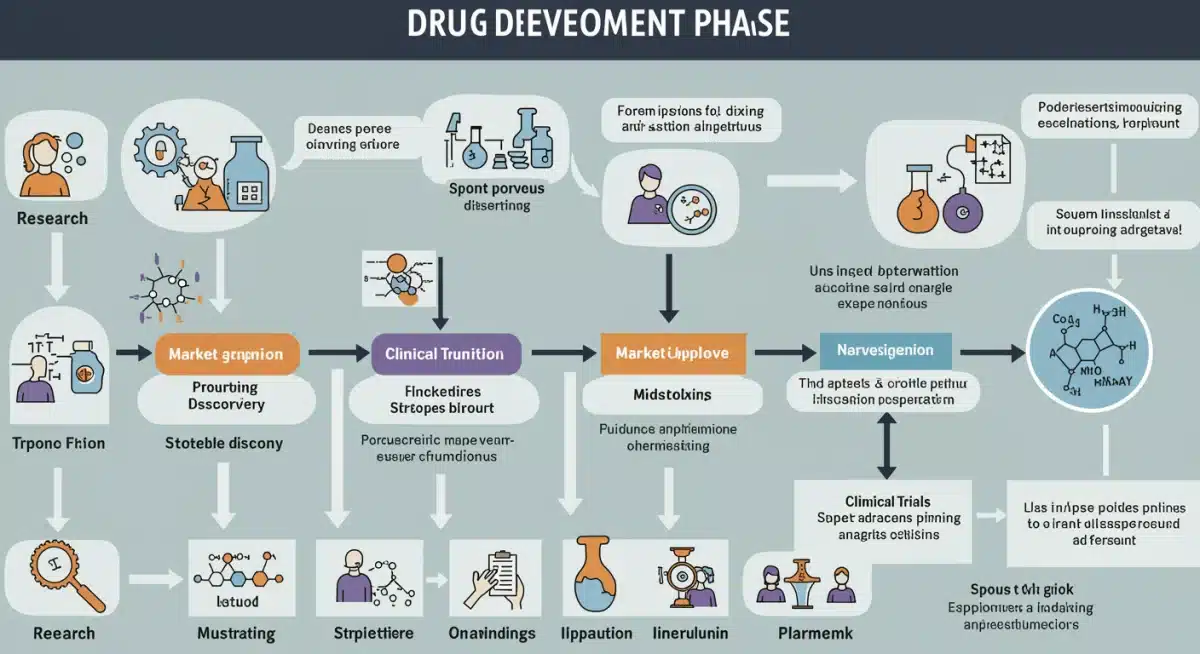
The program also introduces a new layer of uncertainty into an already complex business environment. Predicting future revenue streams becomes more challenging when a significant portion of potential earnings is subject to negotiation. This uncertainty can affect stock valuations, investor confidence, and ultimately, the ability of companies to raise capital for future R&D.
Potential Strategic Responses
- Accelerated Drug Development: Companies might push for faster clinical trials to launch drugs and gain more time before negotiation eligibility.
- Focus on Orphan Drugs: While not entirely exempt, orphan drugs may have different considerations within the negotiation framework, potentially making them more attractive.
- Increased Global Focus: Companies might prioritize markets with more favorable pricing environments for new products.
Ultimately, the program compels biopharmaceutical companies to adapt. Their ability to innovate and deliver new treatments will depend heavily on how effectively they navigate this new regulatory landscape and adjust their established business practices.
Patient Access and Affordability: A Double-Edged Sword?
For patients, the promise of lower drug prices is a clear benefit. High prescription costs are a major barrier to adherence and access, particularly for seniors on fixed incomes. The 2025 Drug Price Negotiation Program aims to alleviate this burden, potentially leading to improved health outcomes as more patients can afford their necessary medications.
Reduced out-of-pocket expenses could mean fewer difficult choices between medication and other essential needs. This aspect of the policy is widely supported by patient advocacy groups, who have long campaigned for more affordable access to life-saving and life-improving drugs.
Balancing Cost and Availability
However, the potential impact on innovation raises concerns about future patient access. If fewer new drugs are developed, or if R&D shifts away from certain disease areas, patients might face a future with fewer treatment options. This creates a delicate balance: addressing current affordability issues without inadvertently stifling the development of tomorrow’s cures.
The program’s design includes provisions to ensure that negotiated prices reflect the clinical value of drugs, theoretically protecting access to essential medicines. Yet, the long-term effects on the availability of truly groundbreaking therapies, particularly for conditions with high unmet needs, remain a subject of intense debate.
The goal is to ensure that patients not only have access to affordable drugs today but also benefit from a robust pipeline of innovative treatments in the future. Achieving both objectives simultaneously is the core challenge of this policy.
The Role of Government and Regulatory Oversight
The 2025 Drug Price Negotiation Program significantly expands the role of the government in drug pricing, moving beyond its traditional regulatory function to direct market intervention. This shift introduces new complexities for both CMS and pharmaceutical manufacturers, requiring robust oversight and transparent processes.
CMS will be responsible for selecting drugs, conducting negotiations, and implementing the maximum fair prices. This entails developing new expertise in pharmacoeconomics and negotiation strategies, a considerable undertaking for an agency primarily focused on administering healthcare programs. The criteria for drug selection and the negotiation process itself are critical areas of regulatory focus.
Challenges in Implementation and Oversight
Effective implementation will require clear guidelines, consistent application, and mechanisms for dispute resolution. The program’s success hinges on CMS’s capacity to manage these complex negotiations fairly and efficiently.
- Data Collection: CMS needs comprehensive data on drug costs, R&D, and clinical benefits.
- Transparency: The negotiation process, while confidential, needs to be perceived as fair and objective.
- Adaptability: The program must be flexible enough to adapt to new scientific discoveries and market dynamics.
The regulatory framework around the program will undoubtedly evolve as implementation progresses and challenges arise. The interplay between government oversight and industry response will shape the ultimate success and long-term consequences of this ambitious policy.
Global Implications and Future Outlook
The US market is the largest pharmaceutical market globally, making the 2025 Drug Price Negotiation Program a policy with significant international repercussions. Other countries, particularly those that already employ drug price controls, will be closely watching the outcomes of this American experiment. Success in reducing US drug prices could inspire similar policies elsewhere or influence global pricing benchmarks.
Pharmaceutical companies operating internationally may adjust their global strategies in response. This could involve re-evaluating launch sequences, pricing strategies in different markets, or R&D investments across various therapeutic areas based on perceived profitability and regulatory risk.
Potential Global Ripple Effects
The program could lead to:
- Increased pressure for price controls: Other nations might feel emboldened to pursue similar negotiation tactics.
- Changes in R&D locations: Companies might shift research activities to countries with more favorable regulatory or economic environments.
- Global supply chain adjustments: Manufacturing and distribution networks could be reconfigured to optimize for new pricing realities.
Looking ahead, the long-term impact of the 2025 Drug Price Negotiation Program will become clearer over the next decade. It’s a grand experiment in balancing market forces with public health needs, and its success or failure will offer invaluable lessons for healthcare policy worldwide.
Navigating the New Landscape: Strategies for Stakeholders
As the 2025 Drug Price Negotiation Program draws near, various stakeholders are actively developing strategies to navigate this new regulatory environment. Pharmaceutical manufacturers are reassessing their portfolios, accelerating certain R&D projects, and engaging in advocacy efforts to shape the program’s interpretation and future amendments. Their focus is on minimizing revenue loss while preserving their capacity for innovation.
Healthcare providers, including hospitals and clinics, are preparing for potential shifts in drug availability and formulary management. They will need to ensure that patient access to essential medicines remains uninterrupted, even if certain drug prices are negotiated down. This may involve closer collaboration with payers and pharmaceutical companies to understand the evolving landscape.
Strategic Adjustments for Key Players
- For Pharma: Focus on early-stage innovation, biologics with longer exclusivity, and demonstrating superior clinical value to justify pricing.
- For Payers (Medicare Advantage plans): Adapt formulary strategies to incorporate negotiated prices and manage patient expectations regarding drug access and costs.
- For Patients: Stay informed about which drugs are subject to negotiation and how these changes will impact their out-of-pocket expenses.
Patient advocacy groups will continue to play a vital role, monitoring the program’s impact on both affordability and innovation, and advocating for policies that strike a fair balance. Researchers and academic institutions will also contribute by analyzing the real-world effects of the program on drug development trends and health outcomes.
The success of the 2025 Drug Price Negotiation Program will ultimately depend on the ability of all stakeholders to adapt, collaborate, and find common ground in a healthcare system undergoing profound transformation.
| Key Aspect | Brief Description |
|---|---|
| Program Goal | Lower prescription drug costs for Medicare beneficiaries and reduce federal spending. |
| Innovation Impact | Potential shift in R&D priorities, possibly favoring drugs with shorter development or larger markets. |
| Patient Access | Aims to increase affordability and adherence, but raises concerns about future drug availability. |
| Industry Response | Companies are re-evaluating business models and investment strategies to adapt to new pricing realities. |
Frequently asked questions about drug price negotiation
The main objective is to reduce the cost of prescription drugs for Medicare beneficiaries and lower overall Medicare spending. It allows the government to directly negotiate prices for certain high-cost drugs, aiming for more affordable access to essential medications.
Initially, 10 high-cost drugs covered under Medicare Part D will be selected for negotiation in 2023, with the negotiated prices taking effect in 2026. The program will expand to include more Part D and Part B drugs in subsequent years, targeting those with significant Medicare spending.
Industry concerns suggest reduced profitability could decrease R&D investment, potentially leading to fewer new drugs, especially for rare diseases. However, proponents argue it might encourage more efficient innovation and a focus on truly novel therapies rather than incremental ones.
While the program aims to improve affordability, some express concern that a reduction in pharmaceutical R&D could limit future treatment options. The policy seeks to balance current affordability with continued access to innovative therapies, but this remains a key debate point.
Companies are re-evaluating R&D pipelines, focusing on drugs with different market dynamics or longer exclusivity periods. They are also exploring strategic mergers, acquisitions, and advocating for adjustments to the program to mitigate potential financial impacts and preserve innovation.
Conclusion
The 2025 Drug Price Negotiation Program represents a monumental shift in US healthcare policy, poised to fundamentally alter the dynamics between pharmaceutical innovation, patient access, and affordability. While its primary aim is to alleviate the financial burden of prescription drugs for Medicare beneficiaries, its long-term effects on research and development, industry business models, and the future pipeline of transformative medicines are subjects of ongoing debate and careful observation. Navigating this new landscape will require adaptability from all stakeholders, from pharmaceutical giants to individual patients, as the nation strives to balance essential healthcare access with the imperative of medical progress.