Optimizing Telehealth Workflows for 2026: Reducing Physician Burnout by 20%
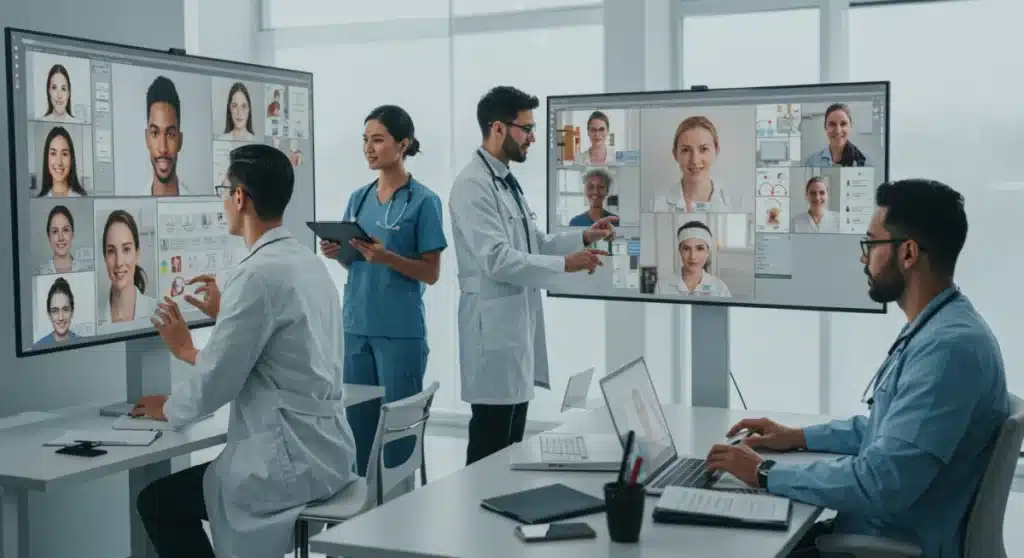
Optimizing telehealth workflows by 2026 is crucial for healthcare providers aiming to reduce physician burnout by 20%, improve efficiency, and deliver superior patient care through strategic technology integration and process refinement.
As we advance into 2026, the imperative to revolutionize healthcare delivery intensifies, with a keen focus on telehealth workflow optimization. The goal isn’t just about adopting new technologies; it’s about strategically integrating them to significantly alleviate physician burnout, targeting an ambitious 20% reduction. This deep dive offers insider tips to navigate this evolving landscape, ensuring both provider well-being and exceptional patient outcomes.
Understanding the 2026 Telehealth Landscape and Physician Burnout
The year 2026 presents a telehealth landscape far more sophisticated than its predecessors, driven by advancements in AI, remote monitoring, and personalized medicine. However, this progress also brings new complexities, often exacerbating the already critical issue of physician burnout. Understanding the interplay between these elements is the first step toward effective mitigation.
Physician burnout, characterized by emotional exhaustion, depersonalization, and a reduced sense of personal accomplishment, remains a pervasive problem in healthcare. Telehealth, while offering flexibility, can inadvertently contribute to this if not managed with intentional, optimized workflows. The constant demands of digital platforms, documentation, and the blurred lines between work and personal life can take a significant toll on medical professionals.
The Evolving Challenges of Digital Healthcare
The rapid evolution of digital healthcare tools brings both opportunities and challenges. While new platforms promise greater efficiency, their integration often creates new administrative burdens and learning curves for physicians. Without proper support and streamlined processes, these tools can become sources of frustration rather than solutions.
- Interoperability Gaps: Disconnected systems require manual data entry, wasting valuable physician time.
- Technical Glitches: Frequent technical issues during virtual visits disrupt patient flow and increase stress.
- Documentation Overload: Digital charting can be more time-consuming if not designed intuitively.
- Patient Digital Literacy: Addressing patient technical difficulties often falls on the physician, extending visit times.
Addressing these challenges head-on is crucial. It requires a holistic approach that considers not only the technology itself but also the human element and the operational context in which it functions. By proactively identifying and resolving potential pain points, healthcare organizations can transform telehealth into a powerful tool for reducing burnout.
Leveraging AI and Automation for Workflow Efficiency
The integration of artificial intelligence (AI) and automation is no longer a futuristic concept but a present-day necessity for optimizing telehealth workflows. By 2026, these technologies are pivotal in streamlining administrative tasks, enhancing diagnostic capabilities, and ultimately freeing up physicians to focus on direct patient care. This strategic application of AI is a cornerstone for reducing burnout.
Automation takes repetitive, time-consuming tasks off the physician’s plate, allowing them to allocate their expertise more effectively. AI-powered tools can analyze vast amounts of data, identify patterns, and even assist in preliminary diagnoses, making the clinical decision-making process more efficient and less burdensome. This shift in workload distribution is critical for physician well-being.
Smart Scheduling and Patient Triage Systems
Advanced AI-driven scheduling systems can significantly optimize appointment booking, reducing no-shows and ensuring a balanced physician workload. These systems can factor in physician availability, patient needs, and even historical data to predict optimal scheduling patterns. Furthermore, AI-powered triage can efficiently route patients to the most appropriate care level, preventing unnecessary physician involvement in routine inquiries.
- Dynamic Scheduling: Algorithms adjust schedules in real-time based on cancellations and urgent needs.
- Pre-Visit Questionnaires: AI collects relevant patient information before the appointment, saving interview time.
- Symptom Checkers: AI tools guide patients through symptom assessment, directing them to appropriate virtual or in-person care.
By automating these front-end processes, healthcare organizations can ensure that physicians spend their time on complex cases that truly require their expertise. This not only improves efficiency but also reduces the cognitive load on physicians, a major contributor to burnout. The strategic deployment of these technologies is a win-win for both providers and patients.
Enhancing Interoperability and Data Integration
A fragmented digital ecosystem is a primary driver of inefficiency and physician frustration in telehealth. By 2026, achieving seamless interoperability and robust data integration across all healthcare systems is paramount. This means ensuring that patient data flows effortlessly between EHRs, telehealth platforms, remote monitoring devices, and administrative tools, creating a unified and accessible patient record.
When data is siloed, physicians spend valuable time searching for information, manually entering data, or reconciling discrepancies. This administrative burden detracts from patient care and significantly contributes to burnout. A truly integrated system empowers physicians with comprehensive patient insights at their fingertips, enabling faster, more informed decisions.
Unified Patient Records and Communication Platforms
Implementing a unified patient record system that consolidates all patient data—from virtual visit notes to lab results and remote monitoring data—is essential. This eliminates the need for physicians to navigate multiple platforms, reducing cognitive fatigue and improving accuracy. Integrating secure communication platforms directly within these systems further streamlines interactions with patients and other providers.
- API-First Approach: Utilizing open APIs to ensure seamless data exchange between disparate systems.
- Cloud-Based EHRs: Leveraging cloud infrastructure for real-time data access and scalability.
- Secure Messaging: Integrated communication tools for quick, compliant physician-patient and physician-physician interactions.
- Centralized Dashboards: Providing physicians with a single, customizable view of all relevant patient information.
The benefits of enhanced interoperability extend beyond mere convenience; they directly impact patient safety and care quality. By reducing the likelihood of errors due to incomplete information and streamlining documentation, physicians can dedicate more energy to clinical judgment and compassionate care. This foundational improvement is critical for any serious effort to combat burnout.
Streamlining Virtual Consultations and Remote Monitoring
The core of telehealth revolves around virtual consultations and remote patient monitoring (RPM). Optimizing these specific workflows is crucial for maximizing efficiency and ensuring a positive experience for both physicians and patients. By 2026, the focus is on creating intuitive, reliable, and secure platforms that minimize technical friction and enhance clinical effectiveness.
Inefficient virtual consultations, plagued by poor connections, clunky interfaces, or inadequate preparation, can quickly lead to physician frustration. Similarly, managing data from RPM devices without proper integration and intelligent alerts can create an overwhelming data deluge. Streamlining these processes is key to realizing telehealth’s full potential.
Optimizing the Virtual Visit Experience
From pre-visit checks to post-visit follow-ups, every step of the virtual consultation process needs to be optimized. This includes ensuring stable video and audio connections, providing clear instructions for patients, and equipping physicians with user-friendly tools for charting and prescription management during the call. The goal is to replicate the efficiency of an in-person visit as closely as possible.
- Pre-Visit Tech Checks: Automated reminders and system checks for patients before their appointment.
- Integrated Digital Exam Tools: Peripheral devices that allow for remote physical assessments.
- Templated Note-Taking: Customizable templates within the EHR for efficient documentation during virtual visits.

Remote patient monitoring, when integrated effectively, can significantly reduce the need for frequent in-person visits and provide continuous insights into patient health. However, without intelligent alert systems and clear protocols for data review, RPM can add to physician workload. Implementing AI-powered analytics to flag critical data points and summarize trends is essential.
By focusing on the user experience for both physicians and patients, healthcare organizations can transform virtual consultations and remote monitoring from potential sources of stress into powerful tools for delivering continuous, high-quality care. This optimization directly contributes to a reduction in physician burnout by making these interactions more manageable and productive.
Training, Support, and Cultural Shift
Technology alone cannot solve the problem of physician burnout or guarantee optimal telehealth workflows. Comprehensive training, robust technical support, and a fundamental cultural shift within healthcare organizations are equally vital. By 2026, investing in these human-centric aspects will be just as important as investing in the latest MedTech innovations.
Many physicians, especially those less familiar with digital platforms, can experience significant stress when forced to adapt to new technologies without adequate training. A supportive environment that encourages learning and provides easy access to technical assistance is crucial. Furthermore, fostering a culture that prioritizes physician well-being and recognizes the unique demands of telehealth is essential for long-term success.
Continuous Education and Accessible Technical Assistance
Ongoing training programs that go beyond basic platform usage are necessary. These programs should cover best practices for virtual communication, efficient digital charting techniques, and strategies for managing patient expectations in a telehealth setting. Coupled with this, readily available and responsive technical support can prevent minor glitches from escalating into major frustrations.
- Role-Based Training: Tailored training modules for different specialties and roles within the telehealth ecosystem.
- Simulation-Based Learning: Practicing virtual consultations in a controlled environment to build confidence.
- Dedicated Tech Support: 24/7 support lines or chat functions specifically for telehealth-related issues.
- Peer Mentorship Programs: Experienced telehealth providers guiding new adopters through challenges.
Beyond training, a cultural shift towards valuing physician time and mental health is paramount. This includes establishing clear boundaries for virtual work, encouraging breaks, and recognizing the emotional toll of constant digital interaction. By nurturing a supportive environment, healthcare organizations can empower physicians to thrive in the evolving telehealth landscape, significantly contributing to burnout reduction.
Measuring Impact and Iterative Improvement by 2026
Optimizing telehealth workflows is not a one-time project but an ongoing process of continuous improvement. By 2026, healthcare organizations must establish robust mechanisms for measuring the impact of their optimization efforts, particularly on physician burnout, and be prepared to iterate based on data-driven insights. This proactive approach ensures sustained benefits and adaptability to future changes.
Without clear metrics, it’s impossible to determine whether implemented strategies are truly effective. Tracking key performance indicators (KPIs) related to workflow efficiency, physician satisfaction, and patient outcomes provides the necessary feedback to refine processes and technologies. This iterative cycle of measurement, analysis, and adjustment is fundamental to achieving and maintaining a 20% reduction in physician burnout.
Key Performance Indicators for Telehealth Optimization
To effectively measure the impact of workflow optimization, organizations should focus on a balanced set of KPIs. These should include metrics that reflect both operational efficiency and the well-being of their physician workforce. Regular surveys and feedback mechanisms are also crucial for capturing qualitative insights into physician experience.
- Physician Satisfaction Scores: Regular anonymous surveys to gauge burnout levels and satisfaction with telehealth tools.
- Time Spent on Documentation: Tracking the average time physicians spend on charting per virtual visit.
- Virtual Visit Throughput: Monitoring the number of successful virtual consultations per physician per day.
- Technical Issue Resolution Time: Measuring the speed and effectiveness of IT support for telehealth platforms.
- Patient Wait Times: Analyzing average wait times for virtual appointments.
By diligently collecting and analyzing this data, healthcare organizations can identify areas for further improvement, pinpoint bottlenecks, and celebrate successes. This data-driven approach not only validates the investment in telehealth optimization but also fosters a culture of accountability and continuous refinement, ultimately leading to a more sustainable and less burdensome telehealth environment for physicians.
| Key Optimization Area | Impact on Burnout Reduction |
|---|---|
| AI & Automation | Reduces administrative load, streamlines scheduling, and enhances diagnostic support. |
| Interoperability | Eliminates data silos, speeds up information access, and reduces manual entry. |
| Workflow Streamlining | Improves virtual visit efficiency, manages RPM data, and minimizes technical friction. |
| Support & Training | Boosts physician confidence, reduces tech-related stress, and fosters a positive work culture. |
Frequently Asked Questions About Telehealth Workflow Optimization
The primary goal is to enhance operational efficiency, improve patient care delivery, and significantly reduce physician burnout by 20% through strategic integration of advanced technologies and streamlined processes. This ensures sustainable and high-quality virtual healthcare.
AI can automate administrative tasks like scheduling and pre-visit data collection, provide diagnostic assistance, and intelligently triage patients. This frees up physicians’ time, reduces their cognitive load, and allows them to focus more on direct patient care.
Interoperability ensures seamless data flow between different healthcare systems, eliminating data silos and manual entry. This provides physicians with a unified view of patient information, improving decision-making, reducing errors, and saving valuable time often lost searching for data.
Ongoing training is vital for physicians to master new telehealth tools, understand best practices for virtual care, and adapt to evolving technologies. It builds confidence, reduces tech-related stress, and ensures they can efficiently leverage platforms for better patient outcomes.
Success can be measured through key performance indicators such as physician satisfaction scores, time spent on documentation, virtual visit throughput, and technical issue resolution times. Regular patient and provider feedback also offers crucial qualitative insights.
Conclusion
Achieving significant telehealth workflow optimization by 2026, with the aim of reducing physician burnout by 20%, demands a concerted and multi-faceted effort. It’s about intelligently integrating AI and automation, fostering seamless data interoperability, streamlining virtual consultation processes, and, crucially, investing in comprehensive training and a supportive organizational culture. By embracing these insider tips and committing to continuous measurement and iteration, healthcare organizations can create a sustainable, efficient, and human-centered telehealth ecosystem that benefits both providers and patients in the years to come. The future of healthcare hinges on our ability to innovate thoughtfully, ensuring technology serves humanity, not the other way around.