Telehealth Scheduling: Reduce Patient No-Shows by 15% (2025)
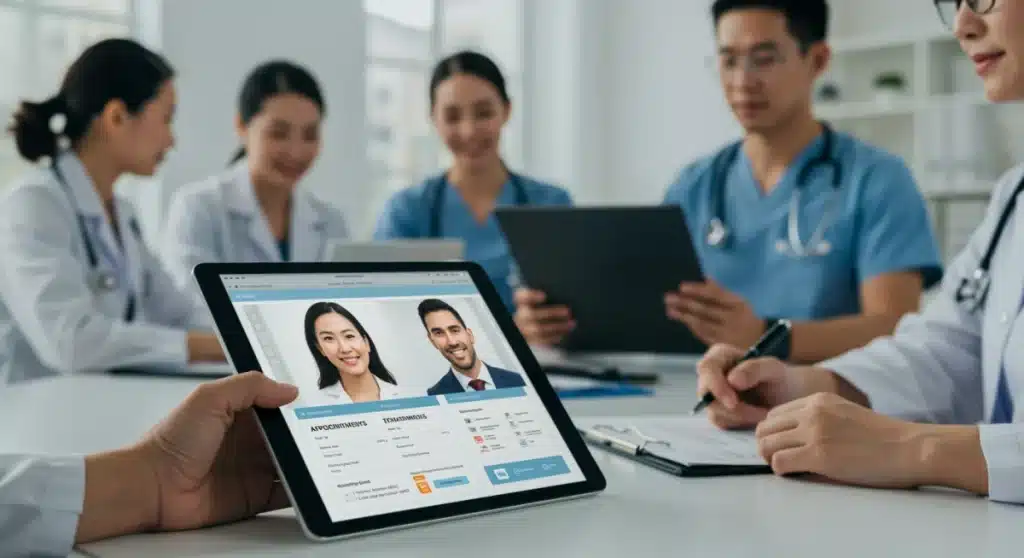
Advanced telehealth scheduling offers a robust strategy for healthcare providers to significantly reduce patient no-show rates by 15% in 2025, unlocking substantial financial and operational benefits through integrated digital platforms.
In the dynamic landscape of modern healthcare, effectively managing patient appointments is paramount for both operational efficiency and financial stability. The challenge of reducing patient no-show rates by 15% with advanced telehealth scheduling in 2025 is not merely an ambitious goal but a critical imperative for providers across the United States. This article delves into practical solutions and the tangible financial impact achievable through strategic implementation of cutting-edge telehealth scheduling technologies.
Understanding the No-Show Epidemic and its Financial Drain
Patient no-shows represent a pervasive and costly problem within the U.S. healthcare system. These missed appointments disrupt clinic flow, waste valuable provider time, and directly impact revenue. Understanding the underlying causes is the first step toward developing effective mitigation strategies.
The financial implications are staggering, with estimates suggesting billions of dollars lost annually to missed appointments. Beyond the direct revenue loss, no-shows also lead to inefficient resource allocation, delayed patient care, and increased administrative burden. Addressing this issue is not just about improving bottom lines; it’s about enhancing overall healthcare delivery.
Common causes of patient no-shows
- Forgetfulness or lack of reminders
- Logistical challenges such as transportation or childcare
- Conflicting appointments or work schedules
- Perceived low urgency of the appointment
- Patient dissatisfaction or communication issues
The cumulative effect of these factors creates a significant barrier to accessible and efficient healthcare. By leveraging advanced telehealth scheduling, providers can proactively tackle many of these root causes, transforming a traditional pain point into an opportunity for improved patient engagement and financial health. The goal is to move beyond reactive measures to a proactive, patient-centric approach that anticipates and addresses potential no-show triggers.
Leveraging AI and Machine Learning for Predictive Scheduling
The next frontier in curbing patient no-shows lies in the intelligent application of artificial intelligence (AI) and machine learning (ML). These technologies offer unprecedented capabilities to analyze vast datasets and predict patient behavior, allowing for more strategic and personalized scheduling interventions.
AI algorithms can process historical appointment data, demographic information, and even external factors like weather patterns or local events to identify patients at higher risk of missing their appointments. This predictive power enables healthcare systems to allocate resources more efficiently and focus preventive efforts where they are most needed.
Key applications of AI in scheduling
- Predictive analytics: Identifying high-risk patients for no-shows based on past behavior.
- Dynamic scheduling: Adjusting appointment slots in real-time to optimize clinic capacity.
- Personalized reminders: Delivering tailored messages through preferred channels at optimal times.
- Resource optimization: Ensuring the right staff and equipment are available for expected patient loads.
Implementing AI-driven scheduling tools moves beyond simple automated reminders. It involves a sophisticated system that learns and adapts, continuously refining its predictions and optimizing the scheduling process. This level of intelligence is crucial for achieving the ambitious target of a 15% reduction in no-show rates, as it addresses the multifaceted nature of why patients miss appointments with a data-driven approach.
Seamless Integration: The Core of Advanced Telehealth Platforms
Achieving a significant reduction in no-show rates hinges on the seamless integration of telehealth scheduling into existing healthcare ecosystems. A fragmented approach, where telehealth operates in isolation, will yield limited results. The true power emerges when scheduling, EHRs, billing, and communication tools work in concert.
Integrated platforms eliminate data silos and streamline workflows, making it easier for both patients and providers to manage appointments. For patients, this means a consistent and user-friendly experience, from booking to post-appointment follow-up. For providers, it translates to reduced administrative burden and a more holistic view of patient engagement.
Consider a scenario where a patient schedules a telehealth visit. With a fully integrated system, this appointment is immediately reflected in their EHR, triggers relevant pre-appointment instructions, and automatically generates personalized reminders. After the visit, follow-up tasks, such as prescription refills or referrals, are initiated without manual intervention, reducing the chances of subsequent missed care.
Benefits of integrated telehealth platforms
- Unified patient records: All appointment data, communication, and clinical notes in one place.
- Automated workflows: Reducing manual tasks for administrative staff.
- Enhanced patient experience: Simplified scheduling and consistent communication.
- Improved data accuracy: Minimizing errors associated with manual data entry.
The strategic move towards integrated telehealth solutions in 2025 will be a defining factor for healthcare organizations looking to optimize their operations and provide superior patient care. Integration isn’t just a technical feature; it’s a foundational strategy for a more efficient and patient-centered healthcare future.
Personalized Patient Engagement Strategies
Beyond technology, effective patient engagement is a cornerstone of reducing no-show rates. Advanced telehealth scheduling empowers providers to implement highly personalized communication strategies that resonate with individual patients, making them more likely to attend their appointments.
Generic reminders often fall flat. Modern platforms allow for customization based on patient preferences, appointment type, and even their communication history. This tailored approach fosters a sense of respect and understanding, increasing patient adherence and reducing the likelihood of a missed appointment due to lack of information or perceived indifference.
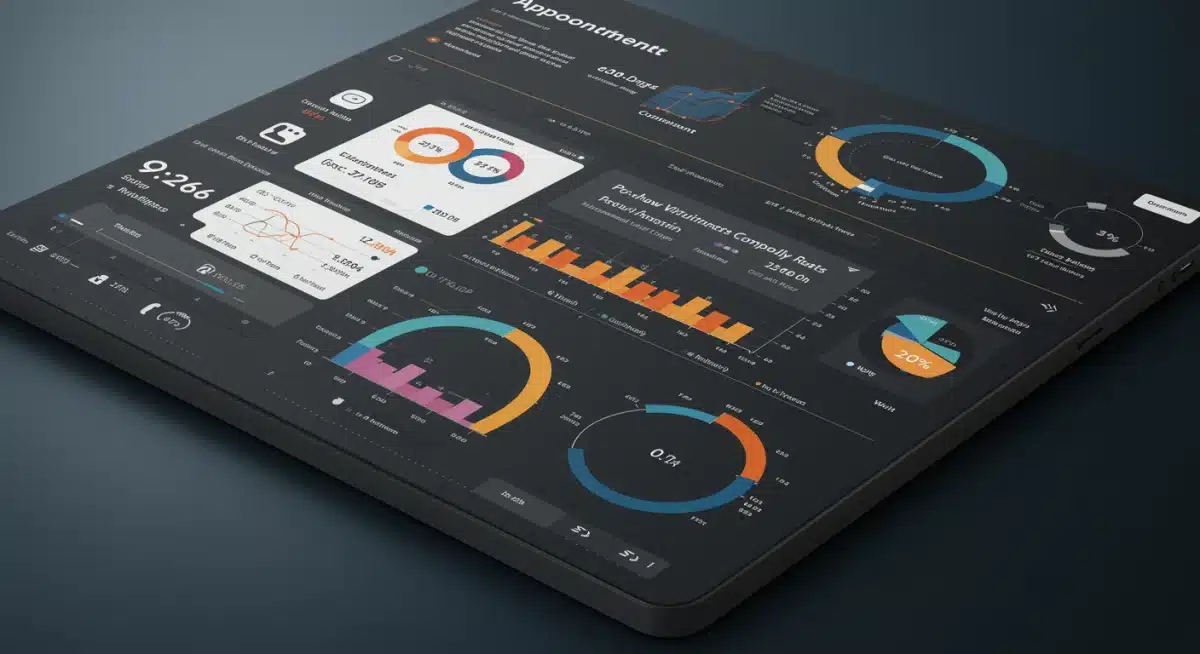
For instance, a patient preferring text messages might receive a series of SMS reminders at specific intervals, while another might prefer email or even a phone call. The content of these messages can also be dynamic, including links to pre-appointment forms, telehealth platform access, or educational materials relevant to their upcoming visit.
Elements of effective personalized engagement
- Multi-channel communication: Offering choices like SMS, email, secure portal messages, or automated calls.
- Proactive outreach: Reaching out to patients with high no-show risk before issues arise.
- Educational content: Providing relevant information to highlight the importance of the appointment.
- Feedback mechanisms: Allowing patients to easily confirm, reschedule, or cancel, minimizing last-minute cancellations.
By treating each patient as an individual with unique needs and communication preferences, healthcare providers can build stronger relationships and significantly improve appointment attendance. This human-centered approach, powered by advanced technology, is crucial for fostering patient loyalty and achieving sustainable reductions in no-show rates.
The Financial Impact: Quantifying ROI on Telehealth Scheduling
The investment in advanced telehealth scheduling solutions is not just an operational upgrade; it’s a strategic financial decision with a clear return on investment (ROI). Quantifying this impact is essential for healthcare administrators and stakeholders to justify the adoption of these technologies.
A 15% reduction in patient no-show rates translates directly into increased revenue from completed appointments. Consider the average revenue per visit for a practice; even a modest reduction in no-shows can lead to substantial financial gains over a year. Beyond direct revenue, there are also significant savings in administrative costs associated with rescheduling and managing missed appointments.
Furthermore, improved patient attendance leads to better health outcomes, which can indirectly impact financial metrics through reduced emergency room visits and hospital readmissions. The enhanced reputation of a practice known for its efficiency and patient-centric approach can also attract new patients, further boosting revenue.
Measuring the financial benefits
- Increased revenue: Direct income from previously missed appointments.
- Reduced administrative costs: Less time spent on rescheduling and follow-up for no-shows.
- Optimized resource utilization: Maximize provider and facility time.
- Improved patient retention: Higher satisfaction leads to continued patient loyalty.
- Enhanced clinical outcomes: Better adherence to care plans reduces costly complications.
By meticulously tracking these metrics, healthcare organizations can clearly demonstrate the financial prudence of investing in advanced telehealth scheduling. The goal of a 15% reduction in no-shows is not arbitrary; it represents a tangible financial uplift that makes these technological advancements indispensable for sustainable growth in 2025 and beyond.
Navigating Regulatory and Implementation Challenges
While the benefits of advanced telehealth scheduling are clear, successful implementation requires careful navigation of various regulatory and practical challenges. Compliance with evolving healthcare policies, data security, and staff training are critical factors for ensuring a smooth transition and maximizing the impact of these solutions.
In the U.S., policies surrounding telehealth reimbursement, patient data privacy (HIPAA), and state-specific regulations are constantly evolving. Healthcare providers must ensure their chosen telehealth scheduling platforms are fully compliant, robustly secure, and adaptable to future regulatory changes. This often requires careful vendor selection and ongoing legal review.
Beyond compliance, successful adoption also hinges on comprehensive staff training and effective change management. Introducing new technologies can be met with resistance, making it crucial to educate staff on the benefits, provide thorough training, and establish clear support channels. Patient education is equally important to ensure they are comfortable and capable of utilizing the new scheduling tools.
Critical implementation considerations
- Regulatory compliance: Adherence to HIPAA, state laws, and reimbursement policies.
- Data security and privacy: Robust encryption and access controls to protect sensitive patient information.
- Staff training and adoption: Comprehensive programs to ensure proficiency and buy-in.
- Patient education and support: Resources to help patients navigate new scheduling interfaces.
- Scalability and interoperability: Ensuring the system can grow with the practice and integrate with other tools.
Addressing these challenges proactively will pave the way for successful adoption of advanced telehealth scheduling, enabling healthcare organizations to realize the full potential of a 15% reduction in patient no-show rates. A well-planned implementation strategy transforms potential roadblocks into stepping stones towards a more efficient and patient-friendly future.
| Key Point | Brief Description |
|---|---|
| No-Show Impact | Missed appointments cause significant financial losses and operational inefficiencies for healthcare providers. |
| AI/ML Scheduling | AI and machine learning predict no-show risks, enabling dynamic and personalized scheduling interventions. |
| Integrated Platforms | Seamless integration of telehealth with EHRs and communication tools streamlines workflows and enhances patient experience. |
| Financial ROI | A 15% reduction in no-shows translates to increased revenue, reduced administrative costs, and improved patient outcomes. |
Frequently asked questions about telehealth scheduling
The primary benefit is a significant reduction in patient no-show rates, leading to improved operational efficiency and increased revenue for healthcare providers. It also enhances patient access and satisfaction by simplifying the appointment process and ensuring timely care.
AI algorithms analyze historical data to predict which patients are most likely to miss appointments. This allows providers to implement targeted interventions, such as personalized reminders or proactive outreach, thereby preventing no-shows before they occur.
Integration ensures that telehealth scheduling platforms seamlessly connect with existing electronic health records (EHRs), billing systems, and communication tools. This creates a unified experience for patients and staff, reducing errors and improving workflow efficiency.
Yes, with the strategic implementation of advanced telehealth scheduling, AI-driven predictive analytics, and personalized patient engagement, a 15% reduction in no-show rates is an ambitious yet achievable goal for many healthcare organizations by 2025.
The financial returns include increased revenue from completed appointments, reduced administrative costs associated with managing no-shows, optimized resource utilization, and improved patient retention. These benefits collectively contribute to a strong return on investment.
Conclusion
The journey toward significantly reducing patient no-show rates by 15% with advanced telehealth scheduling in 2025 is a multifaceted endeavor that promises substantial benefits for healthcare providers. By embracing AI and machine learning for predictive insights, ensuring seamless platform integration, and implementing personalized patient engagement strategies, organizations can transform their operational efficiency and financial health. While challenges in regulatory compliance and implementation exist, a proactive and strategic approach will enable the realization of these goals, fostering a more accessible, efficient, and patient-centric healthcare system across the United States. The future of healthcare scheduling is intelligent, integrated, and inherently geared towards minimizing missed opportunities for care.