Telehealth Solutions: Revolutionizing Chronic Disease Management in the US

Telehealth Solutions: Revolutionizing Chronic Disease Management in the US
The landscape of healthcare is undergoing a profound transformation, driven by technological advancements and an increasing need for accessible, efficient, and personalized care. Among the most impactful innovations are telehealth solutions, particularly in the realm of chronic disease management. With an ambitious goal to improve patient outcomes by 25% for US patients by 2026, telehealth is no longer just an alternative; it’s becoming a cornerstone of modern healthcare delivery.
Chronic diseases, such as diabetes, heart disease, hypertension, and asthma, affect a significant portion of the US population, leading to substantial healthcare costs and a diminished quality of life for millions. Traditional models of care often struggle to provide the continuous monitoring, education, and support necessary for effective management. This is where telehealth chronic disease management steps in, offering a promising pathway to better health outcomes and a more sustainable healthcare system.
The Escalating Challenge of Chronic Diseases in the US
Before diving into the specifics of telehealth solutions, it’s crucial to understand the magnitude of the problem. Chronic diseases are the leading causes of death and disability in the United States, accounting for over 75% of healthcare spending. The Centers for Disease Control and Prevention (CDC) reports that six in ten adults in the US have at least one chronic disease, and four in ten have two or more. These conditions require ongoing medical attention, lifestyle modifications, and often complex medication regimens. The sheer volume of patients, coupled with geographic barriers, transportation issues, and limited access to specialists, often creates significant hurdles to optimal care.
Patients with chronic conditions frequently need regular check-ups, medication adjustments, and continuous education to manage their health effectively. Missed appointments, lack of immediate access to medical advice, and insufficient support can lead to disease progression, complications, and emergency room visits, all of which contribute to poorer outcomes and higher costs. The traditional healthcare model, with its reliance on in-person visits, often falls short in meeting these continuous and evolving needs. This gap highlights the critical role that innovative approaches like telehealth chronic disease management can play.
What Are Telehealth Solutions?
Telehealth encompasses a broad range of technologies and services that deliver healthcare remotely. It includes:
- Telemedicine: Remote clinical services, such as virtual doctor visits, e-prescribing, and remote diagnosis.
- Remote Patient Monitoring (RPM): The use of technology to collect health data from individuals in one location and electronically transmit that information to healthcare providers in a different location for review and analysis. This is particularly vital for telehealth chronic disease management.
- Mobile Health (mHealth): Healthcare practice supported by mobile devices, such as smartphones, tablets, and wearable devices. This includes health apps, medication reminders, and fitness trackers.
- Store-and-Forward Telehealth: Transmission of recorded health information (e.g., images, videos, or data) through an electronic communications system to a practitioner, who then uses the information to evaluate a case or render a service without a live interaction.
- Health Education: Delivering educational content and support programs remotely, empowering patients to better manage their conditions.
These components collectively form a robust framework for delivering comprehensive care outside the traditional clinic setting, making telehealth solutions a powerful tool in addressing the complexities of chronic conditions.
The Promise of Telehealth for Chronic Disease Management
The potential for telehealth solutions to revolutionize chronic disease management is immense. By leveraging technology, healthcare providers can offer more proactive, personalized, and accessible care, leading to significant improvements in patient outcomes. Here’s how:
Enhanced Access to Care
Geographic barriers, transportation issues, and time constraints often prevent patients from accessing the care they need. Telehealth eliminates many of these hurdles, allowing patients in rural areas or those with mobility challenges to consult with specialists and primary care providers from the comfort of their homes. This increased accessibility is paramount for consistent management of telehealth chronic disease.
Continuous Monitoring and Early Intervention
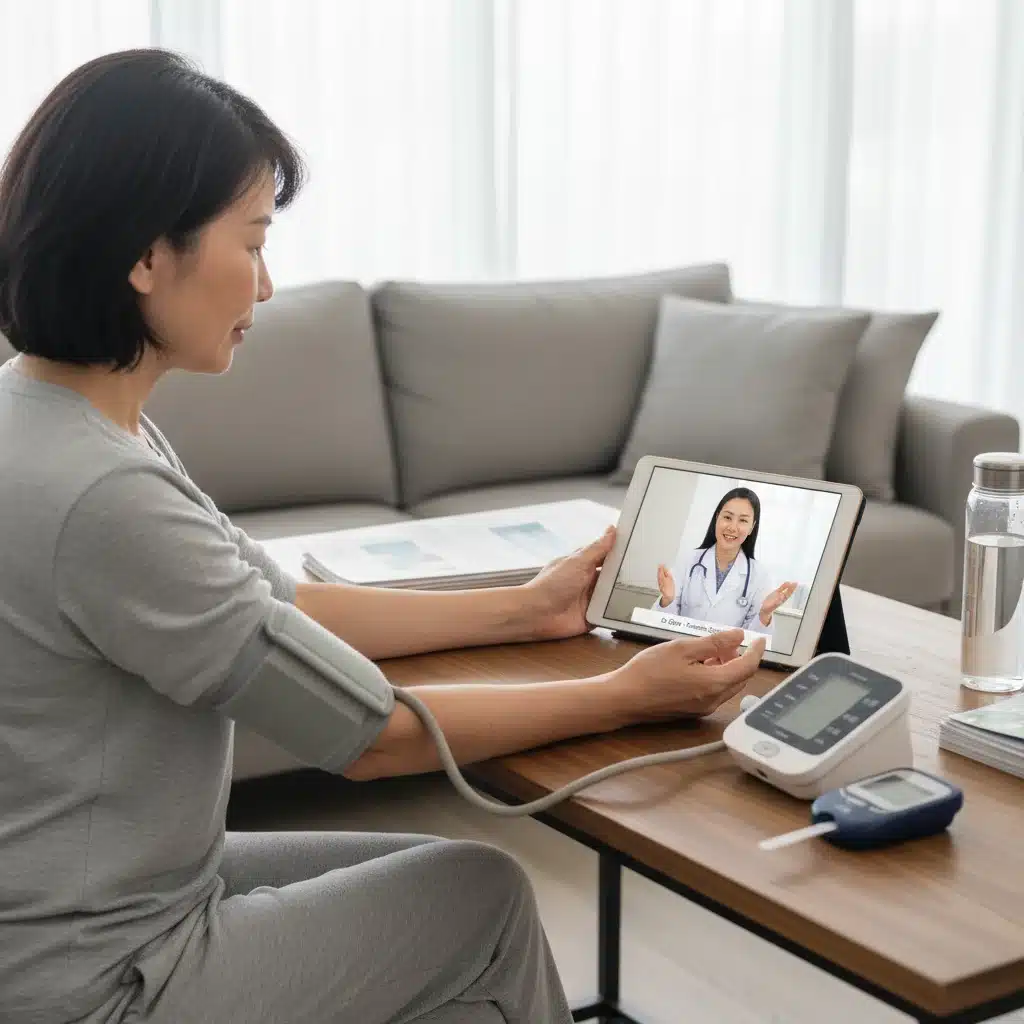
Remote Patient Monitoring (RPM) is a game-changer for chronic conditions. Devices such as smart blood pressure cuffs, continuous glucose monitors, pulse oximeters, and smart scales can transmit vital signs and other health data directly to healthcare providers. This continuous stream of data allows providers to track trends, identify potential issues early, and intervene before a condition escalates. For example, a sudden spike in blood sugar for a diabetic patient can trigger an alert, prompting immediate intervention and preventing a crisis. This proactive approach is a hallmark of effective telehealth chronic disease strategies.
Improved Medication Adherence
Managing multiple medications for chronic conditions can be challenging. Telehealth platforms can provide medication reminders, educational resources about drug interactions, and direct access to pharmacists or nurses for questions. Virtual consultations also allow providers to review medication regimens regularly and make necessary adjustments, thereby improving adherence and reducing adverse effects. This level of support is crucial for patients navigating complex treatment plans for telehealth chronic disease.
Personalized Health Coaching and Education
Effective chronic disease management often requires significant lifestyle changes. Telehealth can facilitate personalized health coaching, nutritional counseling, and exercise guidance through virtual sessions. Patients can receive tailored advice and support from dietitians, physical therapists, and health coaches, empowering them to make informed decisions about their health. Educational modules delivered via telehealth platforms can also help patients understand their condition better, leading to greater self-efficacy. These educational components are vital for long-term success in managing telehealth chronic disease.
Reduced Healthcare Costs
By preventing hospitalizations, emergency room visits, and complications, telehealth solutions can significantly reduce healthcare costs. Proactive management and early intervention, facilitated by continuous monitoring and virtual consultations, lead to fewer acute episodes and a decreased need for intensive medical care. This economic benefit is a strong driver for the adoption of telehealth chronic disease programs.
Enhanced Patient Engagement and Satisfaction
When patients feel more connected to their care team and have easier access to support, their engagement with their own health management increases. Telehealth offers convenience, reduces travel time and costs, and provides a more comfortable environment for consultations. This often translates to higher patient satisfaction and a greater likelihood of adhering to treatment plans. A positive patient experience is integral to the success of any telehealth chronic disease initiative.
Targeting a 25% Improvement in Outcomes by 2026
The goal of achieving a 25% improvement in patient outcomes for US patients with chronic diseases by 2026 through telehealth solutions is ambitious but achievable. This improvement can be measured across various metrics, including:
- Reduction in Hospital Readmissions: Continuous monitoring and timely interventions can prevent exacerbations that often lead to hospitalizations.
- Better Disease Control: Measured by metrics like HbA1c levels for diabetes, blood pressure control for hypertension, and fewer asthma attacks.
- Improved Quality of Life: Patients report better physical and mental well-being due to more effective management of their conditions.
- Increased Adherence to Treatment Plans: Higher rates of medication adherence and lifestyle modifications.
- Reduced Mortality Rates: A long-term goal stemming from improved disease management.
To reach this target, a concerted effort is needed from healthcare providers, technology developers, policymakers, and patients themselves. The widespread adoption and effective implementation of telehealth chronic disease programs will be key.
Key Technologies Driving Telehealth for Chronic Disease
Several technological innovations are critical to the success of telehealth solutions in chronic disease management:
- Secure Video Conferencing Platforms: HIPAA-compliant platforms ensure privacy and security for virtual consultations.
- Wearable Devices and Sensors: Smartwatches, fitness trackers, and specialized medical sensors provide real-time data on vital signs, activity levels, sleep patterns, and more. These are central to RPM in telehealth chronic disease.
- AI and Machine Learning: These technologies can analyze vast amounts of patient data to identify patterns, predict risks, and personalize treatment recommendations.
- Electronic Health Records (EHR) Integration: Seamless integration of telehealth data with EHRs ensures that all healthcare providers have access to a complete and up-to-date patient record.
- Patient Portals and Mobile Apps: User-friendly interfaces for scheduling appointments, accessing health information, communicating with providers, and engaging with educational content.
The synergy of these technologies creates a powerful ecosystem for managing telehealth chronic disease effectively.
Challenges and Considerations for Widespread Adoption
While the benefits of telehealth solutions are clear, several challenges need to be addressed to ensure widespread and equitable adoption:
Digital Divide and Equity
Not all patients have access to reliable internet, smartphones, or the digital literacy required to fully utilize telehealth services. Addressing this “digital divide” is crucial to ensure that telehealth benefits all segments of the population, especially vulnerable communities. Initiatives to provide internet access and devices, along with digital literacy training, are essential for effective telehealth chronic disease programs.
Reimbursement Policies
Consistent and fair reimbursement policies for telehealth services are vital for their sustainability. While significant progress has been made, particularly during the COVID-19 pandemic, ongoing advocacy is needed to ensure that telehealth remains a viable option for providers and patients. Clear guidelines for billing and coding for telehealth chronic disease services are necessary.
Data Security and Privacy
Protecting sensitive patient health information is paramount. Robust cybersecurity measures and strict adherence to HIPAA regulations are essential to build trust and ensure the privacy of patient data within telehealth solutions.
Provider Training and Workflow Integration
Healthcare providers need adequate training on telehealth platforms, best practices for virtual care delivery, and how to integrate telehealth into existing workflows. Effective integration ensures that telehealth chronic disease management complements, rather than complicates, traditional care.
Regulatory Frameworks
Navigating varying state and federal regulations regarding telehealth practice, licensure, and prescribing across state lines can be complex. Harmonizing these regulations would facilitate broader adoption of telehealth solutions.
Success Stories and Case Studies
Numerous organizations and healthcare systems have already demonstrated the efficacy of telehealth solutions in managing chronic diseases:
- Diabetes Management Programs: Studies have shown that RPM for diabetes patients leads to significant reductions in HbA1c levels, improved medication adherence, and fewer complications. Patients receive personalized coaching and real-time feedback on their glucose levels.
- Hypertension Control Initiatives: Telehealth programs utilizing connected blood pressure monitors have helped patients achieve better blood pressure control, reducing the risk of cardiovascular events. Virtual check-ins allow for timely medication adjustments.
- Heart Failure Monitoring: RPM for heart failure patients has been linked to decreased hospital readmission rates and improved quality of life. Daily weight and symptom monitoring enable early detection of decompensation.
- Asthma and COPD Management: Telehealth platforms offer remote spirometry, symptom tracking, and educational resources, empowering patients to better manage their respiratory conditions and reduce exacerbations.
These examples underscore the tangible benefits and the potential to achieve the 25% improvement target in telehealth chronic disease outcomes.
The Future of Telehealth in Chronic Disease Management
The future of telehealth solutions in chronic disease management is bright and continually evolving. We can expect to see:
- Greater Integration of AI and Predictive Analytics: AI will play an even larger role in identifying at-risk patients, predicting disease exacerbations, and personalizing treatment plans.
- Expansion of Virtual Hospitals and Home-Based Care: More complex care, traditionally delivered in hospitals, will shift to the home setting, supported by advanced RPM and virtual care teams.
- Personalized Digital Therapeutics: Software-based interventions that deliver evidence-based therapeutic interventions to patients to prevent, manage, or treat a medical disorder or disease.
- Enhanced Interoperability: Seamless exchange of data between different telehealth platforms, EHRs, and other healthcare systems will create a more unified and efficient care experience.
- Focus on Behavioral Health Integration: Recognizing the strong link between mental and physical health, telehealth will increasingly integrate behavioral health services into chronic disease management programs.
These advancements will further solidify the role of telehealth chronic disease management as an indispensable component of healthcare.
Conclusion
The goal of improving patient outcomes by 25% for US patients with chronic diseases by 2026 is an ambitious yet achievable vision, largely powered by the transformative potential of telehealth solutions. By enhancing access to care, enabling continuous monitoring, improving medication adherence, and empowering patients through personalized education, telehealth is fundamentally reshaping how chronic conditions are managed.
While challenges related to equity, reimbursement, and regulation persist, the overwhelming benefits and the rapid pace of technological innovation suggest a future where virtual care is not just an adjunct but a primary mode of chronic disease management. Healthcare stakeholders must continue to collaborate, innovate, and advocate for policies that support the widespread and equitable adoption of telehealth chronic disease programs. The promise of a healthier, more connected future for millions of Americans suffering from chronic conditions is within reach, driven by the power of telehealth.