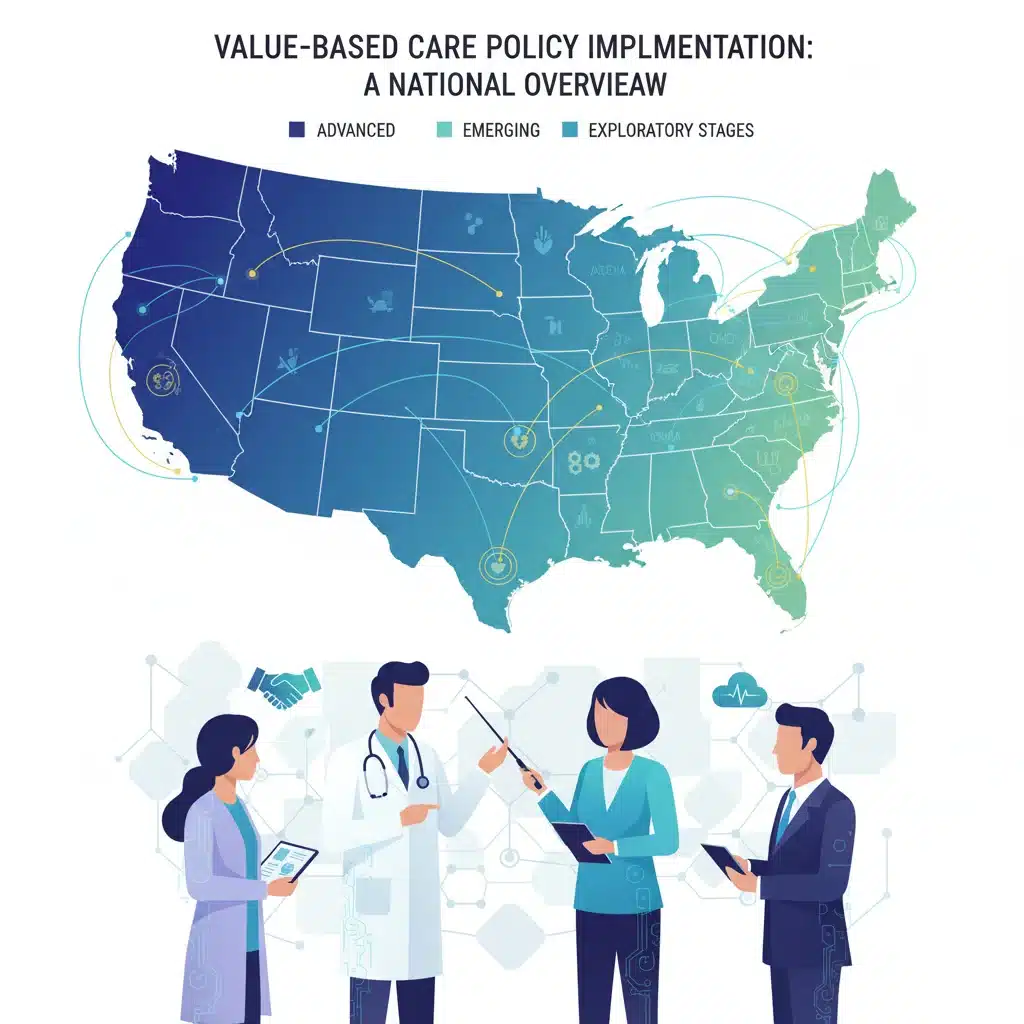
State-Level Policy Trends in Early 2026: A National Overview of Value-Based Care Initiatives
The healthcare landscape is in a constant state of flux, driven by technological advancements, evolving patient expectations, and persistent efforts to improve outcomes while managing costs. Among the most significant shifts is the widespread adoption of value-based care (VBC) models. As we enter early 2026, a national overview reveals fascinating and dynamic State Value-Based Care policy trends that are reshaping how healthcare is delivered and reimbursed across the United States. This comprehensive analysis will delve into the current state of affairs, highlight key developments, explore the challenges encountered, and cast an eye towards the future trajectory of these crucial initiatives.
The transition from fee-for-service to value-based care represents a paradigm shift, moving away from volume-driven payments towards models that reward quality, efficiency, and patient outcomes. This transformation is not a monolithic federal mandate but rather a complex tapestry woven from diverse state-level policies, innovations, and adaptations. Each state, with its unique demographic, economic, and political characteristics, is approaching value-based care with different strategies, leading to a rich and varied ecosystem of initiatives. Understanding these specific State Value-Based Care trends is paramount for healthcare providers, policymakers, payers, and innovators alike.
In this article, we will explore the nuances of these state-driven efforts, identifying common themes that are emerging nationwide, as well as distinct approaches that reflect regional priorities. We will examine how states are leveraging various mechanisms, from Medicaid reforms to innovative pilot programs, to incentivize better care coordination, preventive health, and chronic disease management. Furthermore, we will address the significant hurdles that states are encountering in implementing and scaling these models, including data interoperability issues, provider readiness, and financial sustainability concerns. By providing a detailed national overview, this piece aims to offer valuable insights into the ongoing evolution of value-based care and its profound impact on the future of American healthcare.
The Evolving Landscape of State Value-Based Care Initiatives
Early 2026 finds states continuing to accelerate their transition to value-based care, building upon foundations laid in previous years. The impetus for this shift remains strong: soaring healthcare costs, persistent quality gaps, and the undeniable need for a more patient-centered, preventative approach. While the federal government, particularly through CMS, provides guidance and models, the real innovation and implementation often occur at the state level, tailored to local needs and existing infrastructure. This decentralized approach fosters experimentation and allows for bespoke solutions that can be more effective for specific populations.
Key Drivers and Common Themes
Several overarching themes are driving State Value-Based Care policies across the nation:
- Medicaid Transformation: Many states are using their Medicaid programs as a primary vehicle for VBC adoption. Given Medicaid’s role in serving vulnerable populations, these reforms often focus on improving access, addressing social determinants of health, and integrating behavioral and physical health services. States are increasingly moving towards managed care organizations (MCOs) with VBC contracts, accountable care organizations (ACOs) within Medicaid, and other risk-sharing arrangements.
- Population Health Management: A strong emphasis is placed on proactive population health management. This involves identifying at-risk individuals, implementing preventative care strategies, and managing chronic conditions more effectively. States are investing in data analytics tools and public health initiatives to support these efforts.
- Data Interoperability and Health Information Exchange (HIE): The ability to seamlessly share patient data across different providers and settings is critical for VBC. States are actively promoting and funding HIEs, developing common data standards, and exploring legislative measures to enhance data liquidity while ensuring patient privacy.
- Provider Engagement and Readiness: Recognizing that the success of VBC hinges on provider buy-in, states are offering technical assistance, training programs, and financial incentives to help providers transition. This includes support for small practices, rural providers, and those serving underserved communities.
- Addressing Social Determinants of Health (SDOH): There’s a growing understanding that health outcomes are profoundly influenced by non-medical factors like housing, food security, and transportation. Many state VBC initiatives are now explicitly incorporating strategies to address SDOH, often through partnerships with community-based organizations.
Regional Spotlights: Diverse Approaches to State Value-Based Care
While common themes exist, the implementation of State Value-Based Care varies significantly by region. Let’s examine some illustrative examples:
Northeast: Innovation and Integration
States in the Northeast, often characterized by dense populations and established healthcare systems, are pushing boundaries in integrated care models. For instance, Massachusetts continues to refine its MassHealth ACO program, emphasizing behavioral health integration and robust data sharing. New York is exploring advanced primary care models with significant upside and downside risk, aiming to empower primary care providers as central hubs for patient care coordination. Pennsylvania is focusing on incentivizing hospitals to reduce avoidable readmissions and improve post-acute care transitions through bundled payment initiatives.
Southeast: Medicaid Modernization and Rural Focus
In the Southeast, many states are grappling with expanding healthcare access and improving outcomes in traditionally underserved rural areas. States like North Carolina and South Carolina are leveraging Medicaid managed care to drive VBC, with a strong focus on connecting beneficiaries with community resources to address SDOH. Georgia is experimenting with provider-led entities to manage care for specific populations, aiming for greater local accountability. The emphasis here is often on building foundational infrastructure and ensuring equitable access to VBC models, particularly for those in remote locations.
Midwest: Data-Driven Quality Improvement
Midwestern states are often characterized by strong agricultural roots and a pragmatic approach, translating into data-driven VBC strategies. Iowa, for example, is investing heavily in health information technology to support population health analytics and enable providers to identify and intervene with high-risk patients. Minnesota, a long-time leader in healthcare quality, is further refining its integrated health systems to enhance care coordination and reduce unwarranted variation in care. The focus is on measurable outcomes and demonstrating tangible improvements in quality and cost-efficiency.
West: Population Health and Digital Health Integration
Western states, particularly those with large, diverse populations and a pioneering spirit, are at the forefront of integrating digital health solutions into their VBC frameworks. California, with its vast and varied health needs, is exploring innovative ways to use telehealth, remote monitoring, and artificial intelligence to support chronic disease management and preventive care. Washington state is expanding its accountable care programs, with a particular emphasis on behavioral health integration and addressing the unique health challenges of its diverse communities. There’s a strong push to leverage technology to extend the reach of VBC and make it more accessible.

Challenges and Roadblocks in State Value-Based Care Implementation
Despite the widespread enthusiasm and significant progress, the journey towards a fully value-based healthcare system is fraught with challenges. States are encountering a range of obstacles that require innovative solutions and persistent effort.
Financial Sustainability and Risk Management
One of the most significant hurdles is ensuring the financial sustainability of VBC models, especially for providers transitioning from traditional fee-for-service. Smaller practices and rural hospitals often lack the capital and expertise to absorb the financial risk associated with VBC contracts. States are exploring various mechanisms to mitigate this, such as providing upfront investments, offering shared-savings models with lower downside risk, and developing technical assistance programs to help providers build the necessary infrastructure for risk management.
Data Infrastructure and Interoperability
Effective value-based care relies heavily on comprehensive, timely, and actionable data. However, many states still struggle with fragmented data systems, incompatible electronic health records (EHRs), and a lack of robust health information exchange capabilities. This makes it difficult to track patient outcomes across different settings, identify care gaps, and accurately attribute costs and quality. States are investing in upgrading their HIEs, promoting common data standards like FHIR (Fast Healthcare Interoperability Resources), and implementing policies that encourage data sharing while protecting patient privacy.
Workforce Readiness and Capacity
The shift to value-based care requires a different skill set from healthcare professionals. It emphasizes care coordination, population health management, data analysis, and patient engagement – areas where traditional medical training may not have focused sufficiently. States face the challenge of upskilling their existing workforce and attracting new talent with these specialized competencies. This includes investing in training programs, fostering team-based care models, and addressing burnout among healthcare workers who are adapting to new workflows and demands.
Measuring and Attributing Value
Defining and consistently measuring "value" in healthcare remains a complex undertaking. States are grappling with selecting appropriate quality metrics that are both meaningful and achievable, ensuring accurate data collection, and developing fair attribution methodologies to assign patient outcomes to specific providers or organizations. The goal is to move beyond process measures to true outcome measures that reflect patient health and well-being, but this requires sophisticated analytical capabilities and consensus among stakeholders.
Engaging Patients and Communities
True value-based care is patient-centered, yet engaging patients and communities effectively can be challenging. Many individuals, especially those in underserved communities, may not fully understand the benefits of VBC or how to navigate a more coordinated system. States are working on initiatives to improve health literacy, empower patients to take a more active role in their health management, and involve community stakeholders in the design and implementation of VBC programs.
The Role of Technology in Advancing State Value-Based Care
Technology is not merely a tool but a fundamental enabler of State Value-Based Care. Early 2026 sees states increasingly leveraging digital innovations to overcome challenges and accelerate their VBC agendas.
Advanced Analytics and AI
States are investing in advanced analytics platforms and artificial intelligence (AI) to derive actionable insights from vast amounts of healthcare data. AI-powered tools can predict patient risks, identify care gaps, optimize resource allocation, and even personalize care plans. This allows providers to intervene proactively, leading to better outcomes and reduced costs. For example, some states are using AI to identify individuals at high risk for chronic disease exacerbations, enabling targeted outreach and preventive services.
Telehealth and Remote Patient Monitoring (RPM)
The expansion of telehealth and RPM, accelerated during the pandemic, continues to be a cornerstone of state VBC strategies. These technologies improve access to care, particularly in rural and underserved areas, and enable continuous monitoring of chronic conditions. States are adjusting reimbursement policies to ensure sustainable funding for telehealth and RPM services, recognizing their potential to reduce emergency room visits and hospitalizations while improving patient convenience and engagement.
Digital Front Doors and Patient Portals
States are encouraging the development and adoption of digital "front doors" – integrated patient portals and mobile applications that allow patients to schedule appointments, access their health records, communicate with providers, and manage their care. These tools are crucial for enhancing patient engagement, promoting self-management of health, and fostering a more collaborative relationship between patients and their care teams.
Blockchain and Data Security
As data sharing becomes more prevalent, ensuring the security and privacy of patient information is paramount. States are exploring emerging technologies like blockchain for secure and immutable patient record management, enhancing trust and interoperability while protecting sensitive data from breaches and unauthorized access. This is a nascent but promising area for future VBC infrastructure.
Policy Levers and Regulatory Frameworks
The success of State Value-Based Care initiatives hinges significantly on supportive policy levers and robust regulatory frameworks. States are actively reviewing and adjusting their legislative and regulatory environments to facilitate the transition.
Medicaid Waivers and Demonstrations
Many states utilize Medicaid 1115 waivers and other demonstration projects to implement innovative VBC models. These waivers provide flexibility from federal rules, allowing states to experiment with different payment methodologies, care delivery approaches, and eligibility criteria. Early 2026 shows a continued trend of states seeking and renewing these waivers to advance their VBC agendas, often with a focus on integrating physical and behavioral health, addressing SDOH, and promoting community-based care.
State-Specific Legislation and Regulations
Beyond federal waivers, states are enacting their own legislation and regulations to support VBC. This includes laws that:
- Promote Health Information Exchange: Mandating participation in HIEs or providing funding for their development.
- Standardize Quality Metrics: Developing state-specific quality reporting requirements that align with VBC goals.
- Address Anti-Trust Concerns: Providing guidance or waivers for collaborative arrangements among providers that might otherwise raise anti-trust issues.
- Expand Scope of Practice: Allowing advanced practice nurses and other allied health professionals to operate at the top of their licenses, thereby expanding access to care and supporting team-based models.
- Incentivize Primary Care: Implementing policies that direct a greater percentage of healthcare spending towards primary care, recognizing its foundational role in VBC.
Multi-Payer Alignment
A significant challenge for providers is managing multiple VBC contracts with different payers, each with its own metrics, reporting requirements, and payment methodologies. States are increasingly recognizing the importance of multi-payer alignment – encouraging private payers to adopt similar VBC models and metrics as Medicaid. This reduces administrative burden for providers and accelerates the overall transition to value. Conferences and collaborative forums among state agencies, private insurers, and provider groups are becoming more common to foster such alignment.

The Future Outlook for State Value-Based Care in the US
Looking ahead from early 2026, the trajectory for State Value-Based Care is one of continued evolution and deepening impact. The foundational work of the past decade is now yielding more sophisticated and integrated models, promising a healthcare system that is more responsive, equitable, and effective.
Greater Focus on Health Equity
The imperative to address health disparities and achieve health equity will become even more central to state VBC strategies. This will involve more explicit targeting of resources to underserved communities, culturally competent care models, and robust data collection and reporting on equity metrics. States will likely leverage VBC to tackle systemic issues that contribute to unequal health outcomes, moving beyond clinical care to address the broader determinants of health.
Personalized and Precision Medicine Integration
As genomic and other precision medicine technologies advance, states will explore how to integrate these into VBC models. This could involve VBC contracts that incentivize genetic testing for targeted therapies, or risk-sharing arrangements based on the effectiveness of highly personalized interventions. The challenge will be to ensure equitable access to these cutting-edge treatments while demonstrating their value.
Enhanced Consumer Engagement and Choice
Future State Value-Based Care initiatives will place an even greater emphasis on empowering consumers. This means providing more transparent information about provider quality and cost, offering tools for shared decision-making, and giving patients a more active role in designing their care plans. States may explore innovative ways to directly incentivize healthy behaviors among beneficiaries, fostering a sense of shared responsibility for health outcomes.
Broadening Scope of VBC Models
While much of the initial VBC focus has been on primary care and chronic disease management, expect to see an expansion into other specialties and care settings. This could include VBC models for mental health and substance use disorder treatment, long-term care, and even specialized surgical procedures. The goal will be to apply value principles across the entire continuum of care, ensuring efficiency and quality at every point of interaction.
Strengthening Public-Private Partnerships
The complexity of VBC implementation necessitates strong collaboration between state governments, private payers, healthcare providers, and community organizations. Early 2026 suggests a future where these public-private partnerships become even more critical, fostering shared learning, pooling resources, and aligning incentives to achieve common health goals. Such collaborations can accelerate the adoption of best practices and ensure that VBC models are sustainable and responsive to diverse needs.
Conclusion: A Transformative Journey Continues
The national overview of State Value-Based Care policy trends in early 2026 paints a picture of a healthcare system in active transformation. States are at the forefront of this change, experimenting with diverse models, overcoming significant challenges, and continuously refining their approaches to deliver higher quality care at a sustainable cost. While the path is not without its complexities, the commitment to shifting from volume to value is undeniable and deeply embedded in current policy agendas.
For healthcare stakeholders, staying abreast of these state-specific developments is not just an academic exercise; it is crucial for strategic planning, operational adjustments, and successful engagement in the evolving healthcare marketplace. The future of American healthcare will largely be shaped by the continued innovation and perseverance demonstrated by states in their pursuit of true value-based care. As we move further into the decade, expect to see even greater sophistication, integration, and a patient-centric focus driving these vital initiatives forward, ultimately leading to a healthier nation.