Leveraging the 2026 Federal Grants for Rural Healthcare Modernization: A Step-by-Step Application Guide
Rural communities across the United States face unique challenges in accessing quality healthcare. Factors such as geographical isolation, physician shortages, aging infrastructure, and limited financial resources often hinder the delivery of essential medical services. Recognizing these disparities, the federal government consistently allocates significant funding to support the modernization and enhancement of rural healthcare facilities. For 2026, a new wave of federal grants is anticipated, offering a crucial lifeline for rural hospitals, clinics, and health systems looking to upgrade technology, expand services, and improve patient outcomes. This comprehensive guide will walk you through the intricate process of understanding, preparing for, and successfully applying for these vital rural healthcare grants, ensuring your organization is well-positioned to secure the necessary funding.
The landscape of federal funding for rural healthcare is dynamic, with various agencies, including the Health Resources and Services Administration (HRSA), the U.S. Department of Agriculture (USDA), and the Centers for Medicare & Medicaid Services (CMS), playing pivotal roles. Each agency often targets specific areas of need, from infrastructure development and health information technology to workforce development and telehealth expansion. Navigating these diverse opportunities requires meticulous planning, a deep understanding of eligibility criteria, and a compelling narrative that articulates your community’s needs and your project’s potential impact. Our goal is to demystify this process, providing actionable insights and practical advice to maximize your chances of success in securing 2026 federal grants for rural healthcare modernization.
Understanding the 2026 Federal Grant Landscape for Rural Healthcare
Before diving into the application specifics, it’s essential to grasp the broader context of the 2026 federal grant landscape for rural healthcare. Federal funding opportunities are typically driven by national health priorities, legislative mandates, and ongoing assessments of healthcare needs. For 2026, key themes are expected to include:
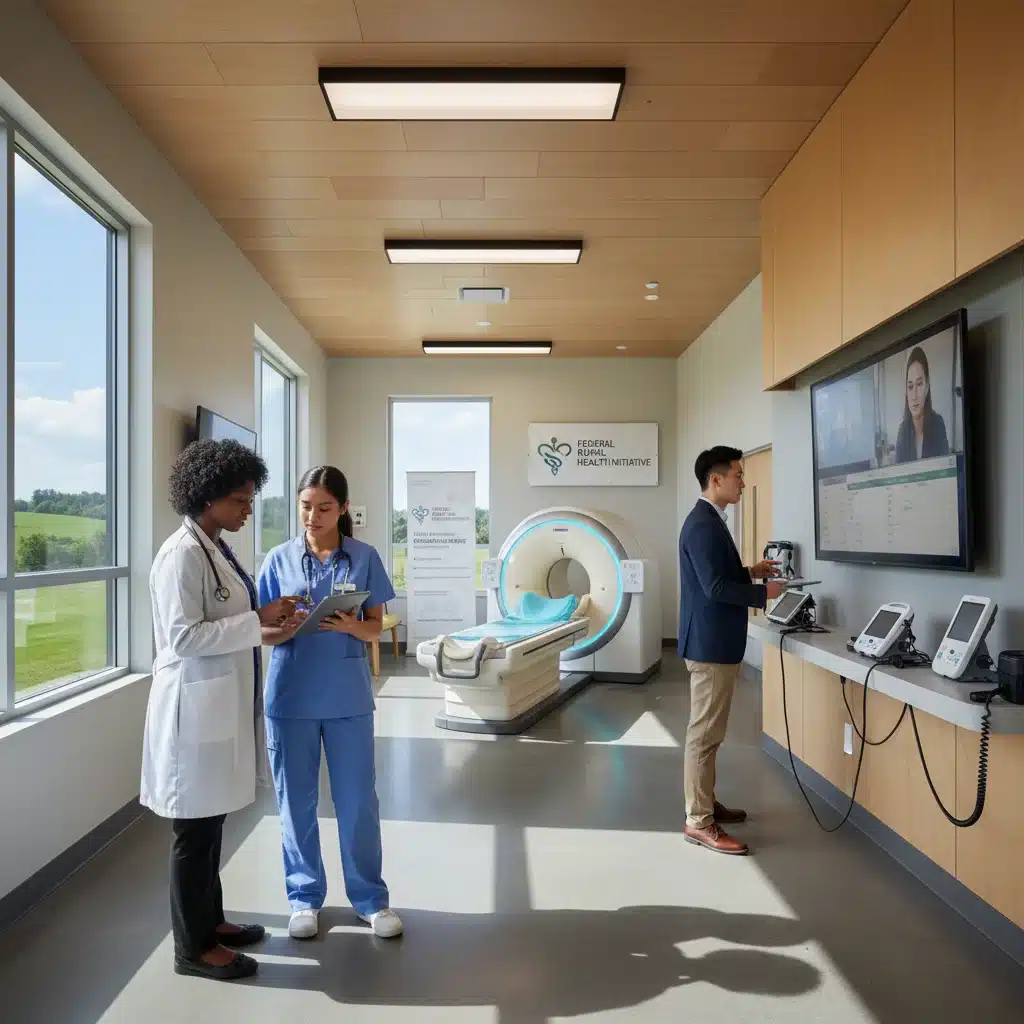
- Telehealth Expansion and Digital Health Infrastructure: The COVID-19 pandemic underscored the critical role of telehealth in rural areas. Expect continued emphasis on grants supporting broadband access, telehealth equipment, remote patient monitoring, and digital health literacy programs.
- Workforce Development and Retention: Addressing the chronic shortage of healthcare professionals in rural areas remains a top priority. Grants may focus on recruitment and retention initiatives, training programs, loan repayment for rural practitioners, and support for community health workers.
- Health Equity and Social Determinants of Health: There’s a growing recognition of how social, economic, and environmental factors impact health outcomes. Funding may be directed towards projects that address health disparities, improve access to healthy food, safe housing, and transportation, and integrate behavioral health services.
- Infrastructure Modernization: Many rural healthcare facilities operate with outdated buildings and equipment. Grants will likely continue to support renovation, construction, and acquisition of modern medical technology to enhance service delivery and patient safety.
- Opioid and Substance Use Disorder Treatment: The opioid crisis continues to disproportionately affect rural communities. Funding will be available for prevention, treatment, and recovery services.
- Emergency Preparedness and Response: Strengthening the capacity of rural healthcare systems to respond to public health emergencies, natural disasters, and infectious disease outbreaks will remain a focus.
Staying informed about these overarching priorities will help you align your project proposals with federal objectives, making your application more competitive for rural healthcare grants. Regularly consult official government websites like Grants.gov, HRSA, USDA, and CMS for the latest funding announcements and program guidelines.
Phase 1: Pre-Application Preparation – Laying the Foundation for Success
Successful grant acquisition doesn’t begin with writing; it starts long before with thorough preparation. This phase is critical for any organization seeking rural healthcare grants.
1. Needs Assessment and Project Definition
Before you can ask for funding, you must clearly articulate what you need and why. Conduct a comprehensive needs assessment of your community and facility. Gather data on:
- Demographics: Age, income, health status, prevalent chronic conditions.
- Access to Care: Geographic barriers, transportation issues, availability of specialists.
- Current Services: What services are currently offered, what are the gaps, and what are the utilization rates?
- Infrastructure: Condition of facilities, age of equipment, technological capabilities.
- Workforce: Staffing shortages, recruitment challenges, training needs.
Based on this assessment, define a specific project or initiative that directly addresses identified needs. Your project should have clear objectives, measurable outcomes, and a strong rationale for how it will improve rural healthcare. For instance, instead of saying “we need new equipment,” specify “we need a new digital X-ray machine to reduce patient wait times by 30% and improve diagnostic accuracy for our rural population.”
2. Researching Funding Opportunities (2026 Federal Grants)
Once you have a well-defined project, it’s time to find the right funding match. This is where diligent research comes into play for securing rural healthcare grants.
- Grants.gov: This is the central hub for all federal grant opportunities. Use advanced search filters to narrow down by agency, eligibility, and keywords like “rural health,” “telehealth,” or “healthcare infrastructure.”
- Agency Websites: Directly visit the websites of HRSA, USDA Rural Development, CMS, and the Department of Health and Human Services (HHS). These sites often provide detailed program announcements, application guidelines, and technical assistance resources.
- State Offices of Rural Health (SORH): Your state’s SORH can be an invaluable resource. They often have insights into state-specific needs, can help identify relevant federal programs, and may even offer technical assistance for grant writing.
- Professional Associations: Organizations like the National Rural Health Association (NRHA) or state hospital associations often disseminate information about funding opportunities and offer workshops.
Pay close attention to the Notice of Funding Opportunity (NOFO) or Funding Opportunity Announcement (FOA). These documents contain critical information about program goals, eligibility requirements, application components, review criteria, and deadlines.
3. Eligibility and Requirements Review
Not all grants are for everyone. Carefully review the eligibility criteria for each potential grant program. Common eligibility requirements for rural healthcare grants may include:
- Organizational Type: Non-profit organizations, public entities, federally qualified health centers (FQHCs), critical access hospitals (CAHs), rural health clinics (RHCs), etc.
- Service Area Designation: Must serve a designated rural or medically underserved area.
- Financial Standing: Some grants may require a certain financial stability or matching funds.
- Previous Grant Performance: A history of successful grant management can be an advantage.
Missing a single eligibility requirement can lead to immediate disqualification, so this step cannot be overlooked.
4. Building Your Grant Team
Grant writing is rarely a solo endeavor, especially for substantial federal grants. Assemble a diverse team with expertise in:
- Project Management: To oversee the entire application process and timeline.
- Clinical Operations: To articulate the medical necessity and impact of the project.
- Financial Management: To develop a realistic and justified budget.
- Data Analysis: To provide compelling evidence of need and projected outcomes.
- Grant Writing/Editing: To craft a clear, concise, and persuasive narrative.
- Community Engagement: To gather letters of support and demonstrate community buy-in.
Clearly define roles and responsibilities early in the process.
Phase 2: Crafting a Winning Application for Rural Healthcare Grants
With your groundwork laid, the next phase focuses on developing the actual grant proposal. This is where your ability to communicate your vision and demonstrate impact will shine, securing crucial rural healthcare grants.
1. Developing a Strong Project Narrative
The project narrative is the heart of your application. It tells your story and makes the case for funding. It should be:
- Clear and Concise: Avoid jargon and get straight to the point.
- Compelling: Paint a vivid picture of the problem and how your project offers a solution.
- Data-Driven: Support all claims with relevant data and statistics from your needs assessment.
- Aligned with Funder Priorities: Explicitly demonstrate how your project addresses the specific goals of the grant program.
- Impactful: Clearly articulate the expected positive outcomes for your community and patients.
Structure your narrative logically, typically including sections like: Introduction/Executive Summary, Statement of Need, Project Goals and Objectives, Project Activities/Methodology, Organizational Capacity, Evaluation Plan, and Sustainability Plan.

2. Creating a Realistic and Justified Budget
The budget is a critical component that demonstrates financial prudence and feasibility. It must directly support the proposed project activities and be clearly itemized. When preparing your budget for rural healthcare grants:
- Align with Narrative: Every line item in your budget should correspond to an activity described in your project narrative.
- Be Detailed: Provide specific costs for personnel, equipment, travel, supplies, and indirect costs.
- Justify Expenses: Explain why each expense is necessary for the project’s success.
- Consider Matching Funds: Some federal grants require an institutional match. Highlight any in-kind contributions or financial commitments from your organization or partners.
- Review Allowable Costs: Ensure all budgeted items are allowable under the grant program’s guidelines.
A well-constructed budget instills confidence in reviewers that you can effectively manage federal funds.
3. Demonstrating Organizational Capacity and Experience
Federal agencies want to fund organizations that have the capacity to successfully implement and manage a grant. Highlight your organization’s strengths, including:
- Track Record: Describe past successes in similar projects or grant management.
- Staff Expertise: Detail the qualifications and experience of key personnel involved in the project.
- Partnerships: Showcase existing collaborations with other community organizations, healthcare providers, or academic institutions. Letters of support from these partners can be very powerful.
- Accreditations/Certifications: Mention any relevant accreditations or certifications that demonstrate quality and compliance.
4. Developing a Robust Evaluation Plan
How will you know if your project is successful? A strong evaluation plan outlines how you will measure progress towards your objectives and assess the overall impact of your project. Include:
- Measurable Objectives: Objectives should be SMART (Specific, Measurable, Achievable, Relevant, Time-bound).
- Data Collection Methods: How will you gather data (e.g., surveys, patient records, interviews, utilization reports)?
- Performance Indicators: What specific metrics will you track to demonstrate success?
- Timeline: When will evaluations occur?
- Responsible Parties: Who will be responsible for data collection and analysis?
Federal funders are increasingly focused on outcomes, so a clear and credible evaluation plan is essential for any rural healthcare grants application.
5. Planning for Sustainability
Federal grants are often designed to be seed funding. Reviewers want to know how your project will continue to operate and be sustained after the grant period ends. Your sustainability plan should address:
- Diversified Funding Streams: How will you secure additional funding (e.g., other grants, philanthropic support, fee-for-service, state funding)?
- Integration into Existing Services: How will the project become an integral part of your organization’s ongoing operations?
- Community Buy-in: Continued community support can be vital for long-term viability.
- Policy Changes: Are there any policy changes that could support the project’s continuation?
Phase 3: Application Submission and Post-Submission Strategies
The final phase involves the meticulous process of submitting your application and what to do afterward to increase your chances of obtaining rural healthcare grants.
1. Navigating Grants.gov and SAM.gov
Most federal grant applications are submitted electronically through Grants.gov. Before you can apply, your organization must be registered with the System for Award Management (SAM.gov) and have a valid Unique Entity Identifier (UEI). This process can take several weeks, so start early! Ensure all registrations are current and active. Familiarize yourself with the Grants.gov workspace and the specific forms required for your chosen grant program.
2. Meticulous Review and Editing
Before hitting submit, conduct multiple layers of review:
- Content Review: Does the narrative flow logically? Is it persuasive? Does it address all prompt requirements?
- Budget Review: Is it accurate, justified, and aligned with the narrative?
- Compliance Review: Does it meet all eligibility criteria and formatting requirements (page limits, font size, attachment types)?
- Proofreading: Check for grammar, spelling, and punctuation errors. A fresh pair of eyes (or several) is invaluable here.
- Checklist Completion: Use any provided application checklist to ensure all required documents and sections are included.
Even minor errors can detract from an otherwise strong application for rural healthcare grants.
3. Timely Submission
Do not wait until the last minute to submit. Technical glitches can occur, and late submissions are almost universally rejected. Aim to submit your application several days before the official deadline, allowing time to troubleshoot any unforeseen issues.
4. Post-Submission Follow-up
After submission, you will typically receive a confirmation email. Keep this for your records. While direct inquiries about application status are generally discouraged, be prepared to respond to any requests for additional information from the funding agency. If your application is not selected for funding, seek feedback from the agency. This feedback is invaluable for improving future applications and understanding areas for development.
Key Considerations for Rural Healthcare Grants in 2026
As you prepare for the 2026 cycle of rural healthcare grants, keep the following strategic considerations in mind:
1. Emphasize Collaboration and Partnerships
Federal funders increasingly favor projects that demonstrate strong collaboration. Rural healthcare providers often benefit from partnering with local governments, community organizations, schools, mental health providers, and other healthcare entities. These partnerships can expand your project’s reach, leverage diverse resources, and demonstrate broad community support.
2. Focus on Health Equity
The concept of health equity – ensuring everyone has a fair and just opportunity to be healthy – is a central tenet of federal health policy. Frame your project in terms of how it will reduce health disparities and improve outcomes for underserved populations within your rural community. Highlight how your project addresses social determinants of health.
3. Demonstrate Innovation and Adaptability
Federal agencies are often looking for innovative solutions to persistent problems. While tried-and-true methods are important, consider how your project incorporates new technologies, care models (e.g., integrated care, community-based care), or workforce development strategies. Showcase your organization’s ability to adapt to evolving healthcare needs and policy changes.
4. Clearly Articulate Community Impact
Beyond clinical outcomes, federal grants often seek to understand the broader community impact. How will your project contribute to economic development, job creation, or overall community well-being in your rural area? Quantify these impacts where possible.
5. Be Prepared for the Unforeseen
The grant application process can be lengthy and competitive. Even with a stellar application, success is not guaranteed. Maintain a positive attitude, learn from every experience, and be prepared to refine your approach for future opportunities. Building relationships with program officers (where permitted) and attending technical assistance webinars can also provide valuable insights.
Common Pitfalls to Avoid When Applying for Rural Healthcare Grants
While aiming for success, it’s equally important to be aware of common mistakes that can derail your application for rural healthcare grants:
- Not Following Instructions: This is arguably the most common and easily avoidable mistake. Adhere strictly to all formatting, page limits, and submission requirements.
- Generic Proposals: A “one size fits all” approach rarely works. Tailor each application specifically to the funding opportunity’s goals and criteria.
- Weak Needs Statement: Failing to provide compelling, data-backed evidence of need for your specific rural community.
- Unrealistic Budget: Proposing a budget that is either too high or too low for the scope of work, or one that lacks clear justification.
- Lack of Sustainability Plan: Not demonstrating how the project will continue after the grant funding ends.
- Poor Writing: Applications riddled with grammatical errors, typos, or unclear language can frustrate reviewers and undermine credibility.
- Late Submission: As mentioned, federal agencies are strict about deadlines.
- Insufficient Data: Making claims without providing supporting data or evidence.
- Ignoring Reviewer Feedback: If you’ve applied before and received feedback, incorporate it into your new application.
Conclusion: Securing the Future of Rural Healthcare
The 2026 federal grants for rural healthcare modernization represent a significant opportunity for communities to enhance their healthcare infrastructure, expand services, and improve the health and well-being of their residents. While the application process can be complex and demanding, a strategic, organized, and thorough approach significantly increases your chances of success. By conducting a robust needs assessment, meticulously researching funding opportunities, building a strong project team, crafting a compelling narrative with a realistic budget, and adhering to all submission guidelines, your rural healthcare organization can effectively compete for these vital rural healthcare grants.
Remember, securing federal funding is not just about getting money; it’s about investing in the future of your community, ensuring access to quality care, and fostering a healthier, more resilient rural America. Start your preparation early, maintain diligence throughout the process, and leverage all available resources. Your efforts in pursuing these grants are a testament to your commitment to the health of your rural population, and with this guide, you are better equipped to turn that commitment into tangible improvements.