AI Diagnostic Tools: Revolutionizing US Clinical Practice by 2026

Insider Report: 3 Key AI-Powered Diagnostic Tools Set to Transform Clinical Practice in the US by Mid-2026
The landscape of healthcare is on the cusp of an unprecedented transformation, driven by the relentless march of artificial intelligence. In the United States, the integration of AI into clinical practice is not merely an incremental improvement but a fundamental paradigm shift. We’re talking about a future, as close as mid-2026, where AI diagnostic tools will be indispensable, reshaping how diseases are detected, understood, and managed. This insider report delves into three pivotal AI-powered diagnostic tools that are not just promising but are already demonstrating their potential to revolutionize clinical practice across the nation.
The promise of AI in diagnostics lies in its ability to process vast amounts of data with unparalleled speed and accuracy, often identifying patterns and anomalies that might elude the human eye. This capability is set to enhance diagnostic precision, reduce diagnostic errors, and ultimately lead to earlier interventions and better patient outcomes. The US healthcare system, with its complex data infrastructure and high demand for advanced solutions, is particularly fertile ground for these innovations. As we approach mid-2026, these tools will move beyond pilot programs and into widespread adoption, becoming integral to daily clinical workflows.
The Dawn of a New Era: Why AI Diagnostic Tools are Crucial Now
Before we dive into the specific technologies, it’s crucial to understand the driving forces behind this accelerated adoption of AI diagnostic tools. Healthcare in the US faces numerous challenges: an aging population, rising chronic disease rates, increasing physician burnout, and the ever-present need for more efficient and cost-effective care. AI offers compelling solutions to these problems. By automating repetitive tasks, assisting in complex decision-making, and providing deeper insights from data, AI can free up clinicians to focus on patient interaction and personalized care, rather than being bogged down by data analysis.
The regulatory environment, while historically cautious, is also evolving to accommodate these advancements. The FDA has already approved numerous AI algorithms for medical use, signaling a growing acceptance and understanding of their utility and safety. This regulatory clarity, combined with significant investments from both public and private sectors, is paving the way for rapid deployment. The COVID-19 pandemic further highlighted the need for rapid, accurate, and scalable diagnostic solutions, accelerating the research and development in AI for healthcare. The lessons learned during the pandemic have underscored the resilience and adaptability that AI can bring to a healthcare system under pressure.
Furthermore, the interoperability of health data systems, though still a work in progress, is improving. As electronic health records (EHRs) become more standardized and accessible, the fuel for AI—data—becomes more readily available. This data, when properly anonymized and integrated, allows AI models to learn, adapt, and become even more precise. The synergy between robust data infrastructure and sophisticated AI algorithms is what will truly unlock the transformative potential of these AI diagnostic tools.
Addressing the Need for Precision and Efficiency with AI Diagnostic Tools
The demand for precision medicine is growing, and AI is uniquely positioned to meet this demand. Traditional diagnostic methods, while foundational, often suffer from subjectivity and can be time-consuming. AI diagnostic tools introduce an unprecedented level of objectivity and efficiency. For instance, in radiology, AI can analyze thousands of images in minutes, identifying subtle indicators of disease that might be missed during a hurried review. In pathology, AI can quantify cellular changes with exquisite detail, providing a more consistent and reliable diagnosis.
Consider the economic impact. Diagnostic errors are not only detrimental to patient health but also incredibly costly to the healthcare system. By reducing these errors and streamlining the diagnostic process, AI can lead to significant cost savings. Shorter hospital stays, fewer unnecessary procedures, and more effective early treatments all contribute to a more sustainable healthcare model. The ability of AI to predict disease progression or treatment response also allows for more proactive and personalized care plans, further optimizing resource allocation.
The integration of these tools will also empower rural and underserved communities. With AI, specialized diagnostic capabilities can be extended to areas where access to highly specialized medical professionals is limited. Telemedicine, augmented by AI, can bring world-class diagnostic expertise to patients regardless of their geographical location, democratizing access to advanced healthcare. This aspect alone holds immense potential for reducing health disparities across the US.
Tool 1: Advanced AI-Powered Medical Imaging Analysis Platforms
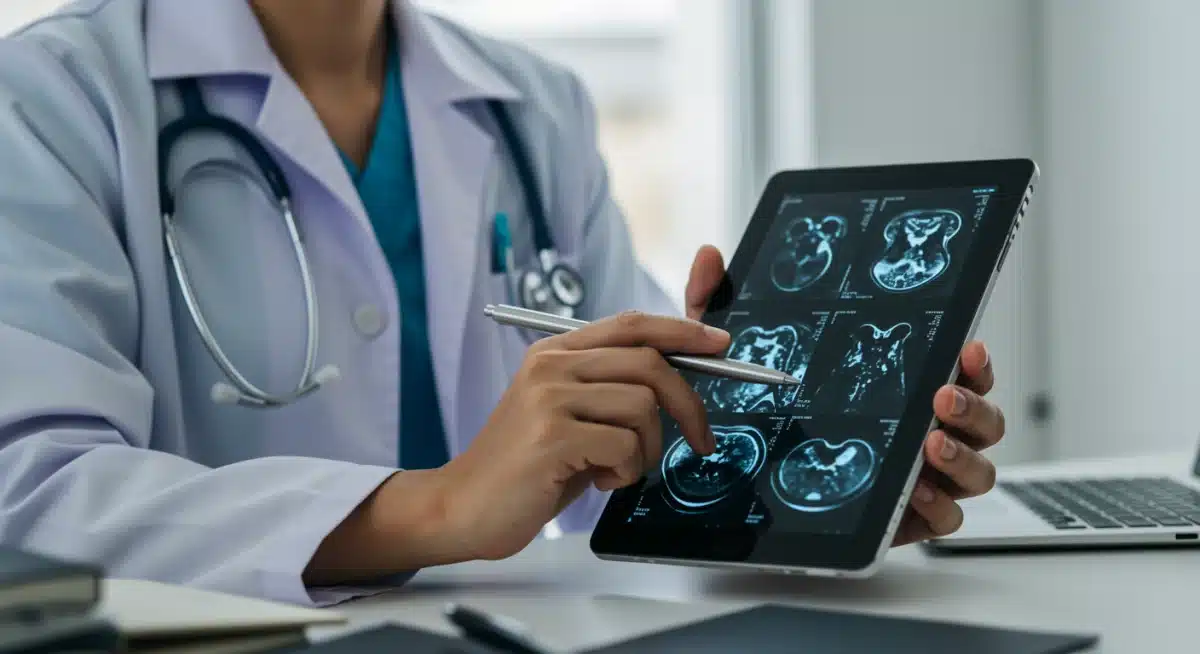
The first and arguably most impactful category of AI diagnostic tools poised for widespread adoption by mid-2026 comprises advanced AI-powered medical imaging analysis platforms. These systems are designed to interpret complex medical images—such as X-rays, CT scans, MRIs, and ultrasounds—with speed and accuracy that often surpass human capabilities, especially in high-volume settings. The evolution of deep learning algorithms has enabled these platforms to detect subtle anomalies indicative of various conditions, from early-stage cancers to neurological disorders and cardiovascular diseases.
These platforms excel in pattern recognition. For example, in radiology, AI can quickly scan hundreds of images to flag suspicious areas, effectively acting as a ‘second pair of eyes’ for radiologists. This doesn’t replace the radiologist but augments their abilities, allowing them to focus their attention on critical areas, reduce fatigue, and improve diagnostic throughput. For conditions like lung nodules in chest CTs or microcalcifications in mammograms, where early detection is paramount, these tools are proving invaluable.
The key to their success lies in their training data: massive datasets of annotated medical images. The more diverse and comprehensive the data, the more robust and accurate the AI model becomes. Leading developers are collaborating with major medical institutions to curate these datasets, ensuring that the AI learns from a wide spectrum of patient demographics and disease presentations. This iterative learning process means that these tools are continuously improving, becoming more sophisticated with every new piece of data they process.
Specific Applications and Impact
- Radiology Augmentation: AI tools are already assisting in the detection of pulmonary emboli, intracranial hemorrhages, and fractures, significantly reducing reporting times and improving accuracy in emergency settings. By mid-2026, their integration into routine radiological workflows will be standard, leading to fewer missed diagnoses and faster patient triaging.
- Pathology Image Analysis: Beyond macroscopic imaging, AI is making significant strides in microscopic image analysis for pathology. It can quantify tumor characteristics, identify cancerous cells, and even predict prognosis based on tissue morphology. This reduces inter-pathologist variability and provides more consistent, objective diagnoses.
- Cardiovascular Imaging: AI is being used to analyze echocardiograms and cardiac MRIs to assess heart function, detect structural abnormalities, and predict the risk of cardiac events. This allows for earlier intervention and more personalized treatment plans for heart disease patients.
The impact of these AI diagnostic tools is multi-faceted. For patients, it means earlier and more accurate diagnoses, potentially leading to better treatment outcomes and increased survival rates. For clinicians, it means reduced workload, enhanced diagnostic confidence, and more time for complex cases and patient communication. For healthcare systems, it translates to increased efficiency, reduced operational costs, and a higher quality of care. The initial investment in these platforms is quickly offset by the long-term benefits they provide.
Tool 2: AI-Driven Predictive Analytics for Early Disease Detection
The second transformative category of AI diagnostic tools focuses on predictive analytics for early disease detection. Unlike imaging analysis, which interprets existing visual data, these tools leverage a broader spectrum of patient data—including electronic health records (EHRs), genetic information, lifestyle factors, and even wearable device data—to identify individuals at high risk for developing certain diseases before symptoms even appear. This proactive approach represents a monumental shift from reactive treatment to preventive care.
These AI models are trained on vast longitudinal datasets to identify subtle patterns and correlations that indicate a heightened risk of future illness. For example, an AI might analyze a patient’s family history, genetic markers, blood test results, and demographic information to predict their likelihood of developing type 2 diabetes, certain cancers, or cardiovascular disease within a specific timeframe. This allows clinicians to intervene with preventative measures, lifestyle modifications, or early screening protocols, significantly altering the disease trajectory.
The power of predictive analytics lies in its ability to go beyond simple risk factors. It can uncover complex interactions between multiple variables, providing a more nuanced and individualized risk assessment. This level of insight is virtually impossible for human clinicians to achieve manually, given the sheer volume and complexity of the data involved. By mid-2026, these predictive AI diagnostic tools will be integrated into primary care settings, empowering general practitioners with advanced risk assessment capabilities.
Specific Applications and Impact
- Chronic Disease Management: AI can predict exacerbations in chronic conditions like heart failure, COPD, or asthma, allowing for timely interventions and reducing hospital readmissions. This leads to better quality of life for patients and significant cost savings for the healthcare system.
- Cancer Risk Assessment: Beyond genetic testing, AI can analyze a patient’s complete health profile to identify elevated risks for various cancers, prompting earlier and more targeted screening protocols than standard guidelines. This can lead to the detection of cancer at much earlier, more treatable stages.
- Sepsis Prediction: In hospital settings, AI algorithms are proving highly effective at predicting the onset of sepsis, a life-threatening condition, hours before clinical symptoms become apparent. Early warning allows for immediate treatment, drastically improving survival rates.
- Mental Health Risk Stratification: AI can analyze behavioral patterns, social determinants of health, and even linguistic cues from patient interactions to identify individuals at risk for mental health crises or specific mental health disorders, enabling early psychological support.
The ethical implications surrounding data privacy and bias in AI algorithms are critical considerations for these tools. Developers are working diligently to ensure that models are trained on diverse datasets and that their predictions are explainable and free from systemic biases. Transparency in how these models arrive at their conclusions will be key to their widespread acceptance and clinical utility. With proper safeguards, these predictive AI diagnostic tools promise a future where healthcare is truly proactive and personalized.
Tool 3: AI-Enhanced Point-of-Care Diagnostic Devices
The third revolutionary category involves AI-enhanced point-of-care (POC) diagnostic devices. These are compact, often handheld, instruments that can perform sophisticated diagnostic tests outside traditional laboratory settings—at a patient’s bedside, in a clinic, or even at home. The integration of AI into these devices elevates their capabilities significantly, making them smarter, more accurate, and easier to use, thereby democratizing access to advanced diagnostics.
Traditionally, POC devices have been limited in their diagnostic scope and accuracy compared to centralized lab equipment. However, with embedded AI, these devices can now perform complex analyses, interpret results in real-time, and even provide preliminary diagnoses or treatment recommendations. AI algorithms can compensate for variations in sample quality, interpret subtle visual cues, and integrate data from multiple sensors to achieve a high level of diagnostic confidence.
The beauty of AI-enhanced POC devices lies in their ability to deliver rapid results, which is crucial for conditions requiring immediate intervention, such as infectious diseases or cardiac emergencies. By eliminating the need to send samples to a central lab and wait for results, these devices significantly reduce diagnostic turnaround times. This immediate feedback loop empowers clinicians to make faster, more informed decisions, especially in critical care situations or remote settings where lab access is limited.
Specific Applications and Impact
- Infectious Disease Testing: AI-powered rapid diagnostic tests for influenza, COVID-19, and other viral or bacterial infections can provide highly accurate results within minutes, facilitating immediate isolation and treatment decisions, especially during outbreaks.
- Cardiac Biomarker Analysis: Handheld devices can now measure cardiac biomarkers with AI assistance, helping emergency responders and frontline clinicians quickly diagnose heart attacks and other acute cardiac events, leading to faster treatment and improved patient outcomes.
- Wound Care Assessment: AI-enabled cameras and sensors can analyze wound characteristics—such as size, depth, tissue type, and signs of infection—to provide objective assessments and guide treatment, which is particularly beneficial in chronic wound management.
- Ophthalmology Screening: Portable AI devices can scan retinas to detect early signs of diabetic retinopathy, glaucoma, or macular degeneration, making routine eye screenings more accessible in primary care settings and preventing vision loss.
The widespread adoption of these AI diagnostic tools by mid-2026 will transform primary care and emergency medicine. They will enable decentralized diagnostics, bringing advanced testing closer to the patient. This not only improves convenience but also significantly reduces healthcare costs associated with transport, laboratory processing, and prolonged hospital stays. For patients, it means quicker answers and more immediate access to appropriate care, leading to better overall health management.
Challenges and Considerations for Widespread Adoption
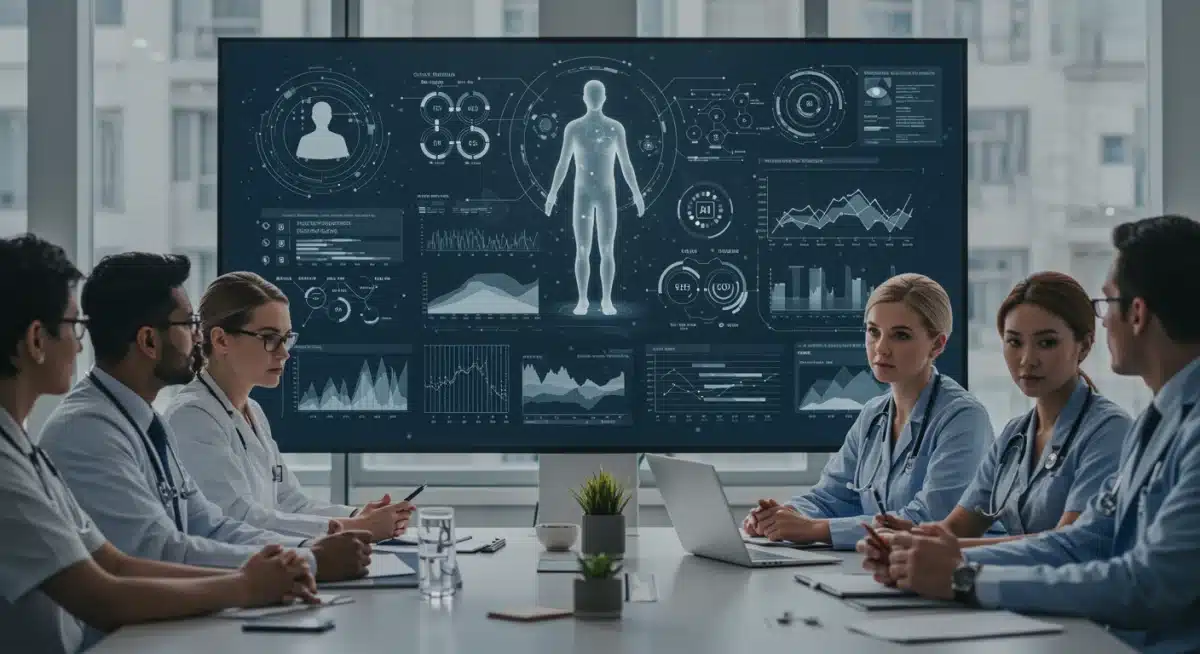
While the potential of these three categories of AI diagnostic tools is immense, their widespread adoption by mid-2026 is not without challenges. Several key considerations must be addressed to ensure successful integration into the US clinical practice.
Data Privacy and Security
The use of vast amounts of patient data for AI training and application raises significant concerns regarding privacy and security. Robust cybersecurity measures and strict adherence to regulations like HIPAA are paramount. Patients need to trust that their sensitive health information is protected and used ethically. Developing secure, anonymized, and federated learning approaches will be crucial to overcoming these hurdles and building public confidence in AI-driven healthcare.
Regulatory Frameworks and Validation
While the FDA has made progress, the regulatory landscape for AI in medicine is still evolving. Ensuring that these AI diagnostic tools are rigorously tested, validated, and continuously monitored for performance and safety is essential. The process for approval needs to be streamlined while maintaining high standards, allowing innovation to flourish without compromising patient safety. Post-market surveillance will also be critical to track real-world performance and identify any unforeseen issues.
Integration into Existing Workflows
Seamless integration of AI tools into existing clinical workflows and electronic health record (EHR) systems is vital for adoption. If AI solutions are cumbersome or require significant changes to established practices, clinician resistance will be high. User-friendly interfaces, interoperability standards, and comprehensive training programs will be necessary to ensure that healthcare professionals can effectively utilize these tools without added burden.
Clinician Training and Acceptance
The human element remains central to healthcare. Clinicians need to be educated on how to effectively use AI diagnostic tools, understand their limitations, and interpret their outputs. Trust in AI will be built through demonstrable accuracy, transparency, and the understanding that AI is a supportive tool, not a replacement for human expertise and judgment. Medical education curricula will need to adapt to include AI literacy, preparing the next generation of healthcare providers.
Addressing Bias and Equity
AI models are only as unbiased as the data they are trained on. If training datasets disproportionately represent certain demographics, the AI may perform less accurately for underrepresented groups, exacerbating existing health disparities. Developers must actively work to create diverse and representative datasets, and algorithms must be continually audited for bias to ensure equitable access to and benefit from these advanced diagnostic capabilities.
The Future is Now: Preparing for AI in Clinical Practice
The rapid advancement and integration of AI diagnostic tools into US clinical practice by mid-2026 is not a distant fantasy but an imminent reality. The three categories highlighted—advanced AI-powered medical imaging analysis platforms, AI-driven predictive analytics for early disease detection, and AI-enhanced point-of-care diagnostic devices—represent the vanguard of this transformation. They promise a future where diagnostics are more accurate, efficient, accessible, and personalized than ever before.
Healthcare stakeholders, including providers, policymakers, technology developers, and patients, must actively engage in preparing for this future. This involves fostering collaborative research, developing robust regulatory frameworks, investing in digital infrastructure, and prioritizing ethical considerations. The benefits of these AI innovations—from saving lives through earlier diagnoses to reducing healthcare costs and improving clinician well-being—are too significant to ignore.
As we look towards mid-2026, the shift will be palpable. Clinics and hospitals will increasingly rely on AI to augment human intelligence, making healthcare more precise, proactive, and patient-centric. The journey will undoubtedly present challenges, but the destination—a healthier, more efficient, and more equitable healthcare system—makes the effort worthwhile. The era of AI-powered diagnostics is not just arriving; it’s already here, reshaping the very fabric of medicine in the United States.