2026 US Healthcare Policy Update: Price Transparency & CMS Enforcement

The landscape of US healthcare is constantly evolving, driven by a persistent demand for greater accountability, affordability, and accessibility. Among the most significant shifts in recent years has been the push for enhanced healthcare price transparency. As we look towards 2026, the United States is bracing for a comprehensive update to its healthcare policy, with a particular emphasis on strengthening price transparency rules and the Centers for Medicare & Medicaid Services (CMS) enforcement mechanisms. This impending update is not merely an incremental change; it represents a fundamental reorientation towards empowering consumers and holding healthcare providers to a higher standard of cost disclosure. Understanding the nuances of these changes is crucial for patients, providers, and policymakers alike, as they promise to reshape how healthcare services are accessed, delivered, and paid for across the nation.
The core objective behind the intensified focus on healthcare price transparency is to address the long-standing issue of opaque pricing within the medical industry. For decades, patients have navigated a complex and often bewildering system where the cost of services was frequently unknown until after treatment was rendered. This lack of clear pricing information has contributed to financial stress, limited patient choice, and hindered the ability of consumers to make informed decisions about their care. The 2026 policy update seeks to rectify this by mandating more comprehensive and accessible disclosure of prices, thereby fostering a more competitive market and enabling patients to shop for care with a clearer understanding of potential financial obligations.
Moreover, the role of CMS in enforcing these regulations is set to expand significantly. Historically, enforcement has faced challenges, leading to varying levels of compliance among healthcare providers. The 2026 framework aims to introduce more robust oversight, stricter penalties for non-compliance, and clearer guidelines for how price information should be presented and made available to the public. This enhanced enforcement signals a serious commitment from federal regulators to ensure that the spirit of price transparency is not merely acknowledged but fully implemented across the healthcare sector. For providers, this means a renewed imperative to invest in systems and processes that support accurate and timely price disclosure. For patients, it promises a future where comparing healthcare costs is not an arduous task but a straightforward process that empowers them to make the best decisions for their health and finances.
The Genesis of Healthcare Price Transparency Regulations
The journey towards greater healthcare price transparency in the US has been a gradual one, marked by several legislative milestones and regulatory initiatives. The fundamental premise driving these efforts is the belief that informed consumers can make better choices, leading to a more efficient and equitable healthcare market. While the concept of price transparency has been discussed for many years, concrete actions began to take shape more prominently in the last decade, laying the groundwork for the significant updates anticipated in 2026.
One of the foundational steps was the Affordable Care Act (ACA) of 2010, which, among its many provisions, included requirements for hospitals to make their standard charges public. However, the initial implementation of this mandate was often criticized for its lack of clarity and inconsistencies. Hospitals frequently published their ‘chargemasters’ – long lists of billed prices that bore little resemblance to what patients or insurers actually paid, making them largely unhelpful for consumer decision-making. This early attempt highlighted the complexities of achieving true price transparency and the need for more prescriptive regulations.
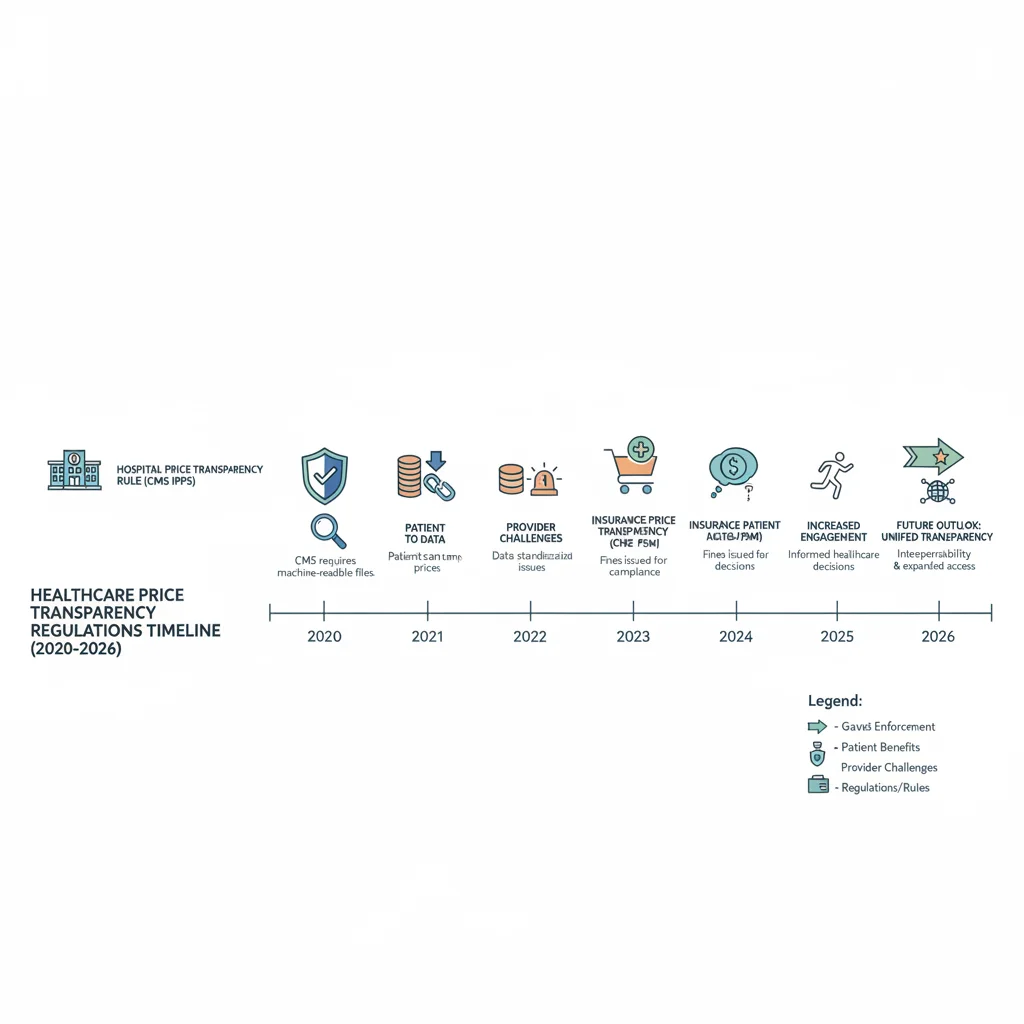
Building on these early efforts, the Trump administration introduced a series of executive orders aimed at increasing healthcare price transparency. A pivotal development was the CMS price transparency rule for hospitals, which became effective on January 1, 2021. This rule mandated that hospitals provide clear, accessible pricing information online for at least 300 shoppable services, presented in two ways: a machine-readable file containing all standard charges, and a consumer-friendly display of shoppable services. This was a significant step forward, moving beyond the mere publication of chargemasters to require more actionable data.
Concurrently, the Transparency in Coverage Rule, issued by the Departments of Labor, Health and Human Services, and the Treasury, became effective for most group health plans and issuers on July 1, 2022. This rule required health plans to disclose pricing information for covered items and services, including negotiated rates for in-network providers and out-of-network allowed amounts, through machine-readable files. It also mandated that plans provide an internet-based self-service tool that allows individuals to obtain personalized out-of-pocket cost information for 500 shoppable services, expanding to all services by January 1, 2024.
These regulations, while instrumental, have not been without their challenges. Compliance has been uneven, with many hospitals and health plans struggling to meet the technical and logistical demands of the rules. Furthermore, the usability and comprehensibility of the disclosed information have often fallen short of consumer expectations. This historical context of evolving regulations and ongoing implementation hurdles directly informs the anticipated 2026 US healthcare policy update, which is poised to address these shortcomings with more stringent requirements and enhanced enforcement mechanisms.
The continuous evolution of these rules reflects a growing consensus that price opacity is a systemic problem that requires persistent regulatory intervention. The goal is not just to make prices available, but to make them understandable and comparable, truly empowering patients to become active participants in their healthcare decisions. The 2026 update is expected to refine these existing mandates, close loopholes, and ensure that the spirit of price transparency is realized across the entire healthcare ecosystem, from hospitals and clinics to insurance providers and pharmaceutical companies. This comprehensive approach is essential for fostering a healthcare market that is both competitive and patient-centered, moving beyond mere disclosure to true understanding and empowerment.
Key Components of the 2026 Price Transparency Rules
The 2026 US healthcare policy update on price transparency is expected to build upon existing regulations, introducing more granular requirements and expanding the scope of mandated disclosures. While specific details are still being finalized, the overarching themes suggest a move towards greater standardization, improved data accessibility, and a broader application across various healthcare entities. These new components aim to address the shortcomings of previous rules and ensure that patients have truly actionable information at their fingertips.
One of the most anticipated changes is the expansion of the types of services and items for which price transparency is required. The current rules primarily focus on shoppable services and general hospital charges. The 2026 update is likely to broaden this to include a wider array of medical procedures, diagnostic tests, prescription drugs, and even ancillary services, ensuring a more comprehensive view of potential costs. This expansion is critical because a piecemeal approach to price transparency can still leave patients in the dark about the full financial implications of their care.
Another key component will be the standardization of data formats and terminology. A significant challenge with current price transparency efforts has been the inconsistent ways in which providers present information, making direct comparisons difficult for consumers. The 2026 rules are expected to mandate more uniform data structures, possibly leveraging common procedural terminology (CPT) codes and standardized service descriptions, to ensure that prices for identical services are easily comparable across different providers and health plans. This standardization will be crucial for the development of effective third-party comparison tools and for empowering patients to make informed choices.
Furthermore, the concept of ‘personalized’ price estimates is expected to be significantly enhanced. While current rules require some level of personalized cost information, the 2026 update may push for more sophisticated tools that factor in individual insurance deductibles, co-pays, and out-of-pocket maximums in real-time. This would move beyond generic price lists to provide patients with a much clearer picture of their actual financial responsibility, mitigating the risk of unexpected bills. This level of personalization requires robust data integration between providers, payers, and possibly even electronic health record (EHR) systems.
The new rules are also anticipated to place a greater emphasis on the transparency of facility fees and other hidden charges. These fees often catch patients by surprise, significantly increasing the total cost of care beyond the advertised price of a procedure. The 2026 policy is likely to require clear, upfront disclosure of all potential charges associated with a service, including facility fees, anesthesia costs, and professional fees, ensuring that the ‘all-in’ cost is transparent from the outset. This holistic approach to cost disclosure is vital for genuine transparency.
Finally, there is a strong expectation that the 2026 rules will address the transparency of prescription drug costs. This has been a particularly opaque area of healthcare, with drug prices varying widely and often being negotiated confidentially between manufacturers, pharmacies, and pharmacy benefit managers (PBMs). The new policy may introduce mechanisms to shed light on these negotiations and ensure that patients have access to more predictable and comparable drug prices, potentially through mandated disclosures at the point of prescribing or dispensing. This would be a monumental step towards addressing one of the most pressing issues in healthcare affordability.
In essence, the 2026 price transparency rules are designed to create a more level playing field, where patients are not just passive recipients of care but active consumers with the information needed to navigate a complex system. By expanding scope, standardizing data, enhancing personalization, and addressing hidden costs, these updates aim to transform the healthcare market into one characterized by greater clarity, competition, and ultimately, better value for patients.
CMS Enforcement: A New Era of Accountability
The effectiveness of any regulatory framework hinges on the strength and consistency of its enforcement. For healthcare price transparency, the Centers for Medicare & Medicaid Services (CMS) is poised to usher in a new era of accountability with the 2026 policy update. Recognizing the challenges and inconsistencies in compliance under previous regulations, CMS is expected to implement more robust enforcement mechanisms, signaling a serious commitment to ensuring that providers and plans adhere to the spirit and letter of the law.

One of the most significant anticipated changes relates to the penalties for non-compliance. While previous penalties existed, they were often criticized as being insufficient to incentivize full adherence, particularly for large healthcare systems. The 2026 update is expected to introduce substantially higher financial penalties, possibly scaled based on the size and revenue of the non-compliant entity. These increased fines are intended to serve as a stronger deterrent, making the cost of non-compliance far outweigh the cost of implementing the required transparency measures. This financial leverage is crucial for driving widespread adoption of the new rules.
Beyond monetary penalties, CMS is also likely to enhance its monitoring and auditing capabilities. This could involve more proactive surveillance of provider websites and health plan portals to ensure that required information is not only present but also easily accessible, accurate, and consumer-friendly. Automated tools and artificial intelligence may be deployed to flag potential non-compliance, allowing CMS to identify and address issues more efficiently. This shift from reactive enforcement (responding to complaints) to proactive oversight (actively searching for violations) would represent a significant strengthening of CMS’s regulatory arm.
Furthermore, the 2026 policy update may introduce a more structured and transparent process for reporting and investigating non-compliance. Patients, consumer advocacy groups, and even competing providers could be given clearer avenues to report violations, with CMS committing to timely investigations and public disclosure of enforcement actions. This increased transparency in enforcement itself would add another layer of accountability, encouraging providers to comply to avoid public scrutiny and reputational damage.
CMS is also expected to provide clearer guidance and technical assistance to help providers and health plans understand and implement the new rules. While enforcement will be stricter, CMS recognizes that compliance can be complex, especially for smaller entities. Therefore, alongside penalties, there will likely be an emphasis on educational resources, best practice guides, and perhaps even standardized templates for disclosing price information. This dual approach of stringent enforcement coupled with supportive guidance aims to foster an environment where compliance is both expected and achievable.
The role of state-level enforcement may also be clarified and potentially expanded under the 2026 framework. While CMS maintains federal oversight, state regulatory bodies often have closer ties to local healthcare markets. The new policy could encourage greater collaboration between federal and state authorities, ensuring a more comprehensive and localized approach to price transparency enforcement. This multi-layered enforcement strategy would help to cover a broader spectrum of healthcare entities and address regional specificities.
Ultimately, CMS’s enhanced enforcement strategy for 2026 is designed to move beyond mere disclosure to actual implementation and impact. By increasing penalties, strengthening monitoring, streamlining reporting, and providing clearer guidance, CMS aims to transform healthcare price transparency from a regulatory aspiration into a tangible reality, fundamentally reshaping the dynamics between providers, payers, and patients in the US healthcare system.
Impact on Healthcare Providers and Systems
The 2026 US healthcare policy update on price transparency and CMS enforcement will undoubtedly have a profound impact on healthcare providers and systems across the nation. While the ultimate goal is to benefit patients, the journey to full compliance and adaptation will require significant strategic and operational adjustments from hospitals, clinics, and other healthcare entities. This shift represents both challenges and opportunities for providers to redefine their relationship with patients and their position in a more transparent market.
One of the most immediate impacts will be the increased administrative and technological burden. Implementing the expanded price transparency rules will necessitate investments in new or upgraded IT systems capable of aggregating, standardizing, and publishing complex pricing data in consumer-friendly formats. This includes integrating data from various billing systems, electronic health records, and potentially even supply chain management to provide accurate ‘all-in’ cost estimates. Smaller providers, in particular, may struggle with these upfront costs and technical complexities, potentially requiring external support or specialized software solutions.
Furthermore, providers will need to re-evaluate their pricing strategies. With prices becoming more transparent, the competitive landscape will intensify. Patients will be better equipped to shop around for services, potentially leading to increased price sensitivity and a shift in patient flow towards providers offering more competitive rates or clearer value. This could force some providers to adjust their chargemasters, negotiate more favorable rates with suppliers, or streamline their operations to offer more cost-effective care without compromising quality. The era of opaque pricing allowing for significant variations in costs for identical services is drawing to a close.
The enhanced CMS enforcement also means a heightened risk of penalties for non-compliance. Healthcare systems will need to establish robust internal compliance programs, conduct regular audits of their published price information, and train staff on the new requirements. The reputational risk associated with being found non-compliant, especially with public disclosure of enforcement actions, will also be a significant motivator for providers to prioritize transparency efforts. This will require a cultural shift within organizations, moving towards a proactive approach to price disclosure rather than a reactive one.
However, the 2026 update also presents opportunities for forward-thinking providers. Those who embrace price transparency early and effectively can differentiate themselves in the market. By offering clear, easily accessible, and accurate pricing information, providers can build greater trust with patients, enhance their reputation, and potentially attract new patients who value financial predictability. Proactive communication about costs can lead to improved patient satisfaction, reduced billing disputes, and a stronger overall patient-provider relationship.
Moreover, the increased transparency could foster greater operational efficiency within healthcare systems. The process of compiling and standardizing price data may reveal inefficiencies or inconsistencies in internal billing practices, allowing providers to identify areas for improvement. It could also encourage more value-based care models, where the focus shifts from volume of services to the quality and cost-effectiveness of outcomes, as patients become more attuned to the cost-benefit ratio of different treatments.
Finally, the policy update will necessitate a change in how providers engage with health plans. With both parties now mandated to disclose more pricing data, there may be increased pressure for more transparent negotiations and a clearer understanding of the true cost of care across the entire payment chain. This could lead to new collaborative models or, conversely, more contentious discussions about reimbursement rates. The overall impact will be a more informed and empowered patient base, compelling providers to adapt their business models to a new reality of open financial information.
Benefits and Challenges for Patients
The 2026 US healthcare policy update, with its amplified focus on healthcare price transparency and rigorous CMS enforcement, is primarily designed to benefit the patient. For too long, patients have navigated a bewildering and often financially perilous healthcare system. The new rules aim to empower them with critical information, but the transition will not be without its challenges for consumers as well.
The most significant benefit for patients is the potential for informed decision-making. With clear, comparable pricing information readily available, patients will be able to understand the costs associated with various medical procedures, tests, and medications before they receive care. This empowers them to ‘shop around’ for services, comparing prices from different providers and facilities, much like they would for any other consumer good. This newfound ability to compare costs can lead to significant savings, especially for elective procedures or non-emergency care where patients have more flexibility in choosing a provider.
Increased price transparency is also expected to reduce the incidence of surprise medical bills. By requiring comprehensive disclosure of all associated charges, including facility fees, professional fees, and ancillary costs, the new policy aims to provide patients with an ‘all-in’ cost estimate upfront. This predictability can alleviate financial anxiety and prevent unexpected financial burdens that often arise from opaque billing practices, contributing to greater financial security for individuals and families.
Furthermore, greater transparency can foster trust between patients and providers. When patients feel they have a clear understanding of costs, they are more likely to trust that they are receiving fair value for their healthcare dollars. This enhanced trust can lead to better patient engagement, improved adherence to treatment plans, and ultimately, better health outcomes. It shifts the dynamic from one of passive acceptance to active partnership in managing one’s health.
The competitive pressure created by price transparency could also lead to lower healthcare costs overall. As providers compete for patients based on price and value, there will be an incentive to offer more affordable services without compromising quality. This market-driven approach could help to curb the escalating costs of healthcare, making it more accessible and affordable for a broader segment of the population in the long run.
However, patients will also face challenges in adapting to this new environment. One major challenge is the sheer volume and complexity of the information. While the goal is to make prices consumer-friendly, healthcare services are inherently intricate, with numerous variables affecting the final cost. Patients may still require assistance in interpreting complex medical terminology, understanding the nuances of different service bundles, and accurately comparing disparate price lists. Health literacy will play an even more critical role.
Another challenge lies in the accessibility and usability of price transparency tools. While providers are mandated to publish information, the format and ease of navigation can vary. Patients may need to invest time and effort to find and compare prices, and those with limited internet access or digital literacy may be at a disadvantage. There’s a need for intuitive, user-friendly platforms that aggregate and simplify this data, potentially through third-party applications or government-sponsored resources.
Moreover, while price is an important factor, it is not the sole determinant of healthcare decisions. Quality of care, physician reputation, convenience, and personal relationships with providers also play significant roles. Patients will need to balance cost considerations with these other factors, which can sometimes be difficult to quantify or compare. The challenge will be to integrate price transparency into a holistic decision-making process that prioritizes both affordability and quality outcomes.
Finally, there’s the ongoing issue of emergency care. In emergency situations, patients often have no opportunity to compare prices or choose providers. While the new rules aim to address surprise billing in these contexts, ensuring full protection and transparency for emergency services remains a complex area. Despite these challenges, the overwhelming sentiment is that the benefits of enhanced healthcare price transparency for patients will far outweigh the difficulties, marking a significant step towards a more equitable and patient-centered healthcare system.
Preparing for the 2026 Policy Changes: A Call to Action
The impending 2026 US healthcare policy update on healthcare price transparency and CMS enforcement is not a distant future event; it is a critical regulatory shift that demands immediate attention and proactive preparation from all stakeholders. For healthcare providers, payers, and even patients, understanding and preparing for these changes is paramount to ensuring compliance, mitigating risks, and ultimately, capitalizing on the opportunities that greater transparency can offer.
For healthcare providers, the call to action is clear and multifaceted. Firstly, it involves a thorough internal audit of current pricing practices and data management systems. Providers must assess their readiness to collect, standardize, and publish comprehensive price information in machine-readable and consumer-friendly formats, as mandated by the new rules. This may require significant investment in IT infrastructure, data analytics capabilities, and specialized personnel to manage the vast amounts of data involved.
Secondly, providers should begin re-evaluating their pricing strategies in light of increased market transparency. This means understanding their true costs, identifying areas for efficiency, and developing competitive pricing models that reflect value. Engaging in scenario planning to anticipate how patients might ‘shop’ for services and how competitors might react to new disclosures will be crucial. This is also an opportunity to build stronger relationships with patients by proactively communicating about costs and demonstrating a commitment to transparency.
Thirdly, a robust compliance program must be established or strengthened. This includes training staff on the new regulations, implementing internal controls to ensure data accuracy and timely updates, and designating clear lines of responsibility for price transparency efforts. Given the expected increase in CMS enforcement and penalties, a proactive and well-documented compliance framework will be essential to avoid legal and financial repercussions.
For health plans and insurers, preparation involves similar data management and disclosure challenges. They must ensure their systems can accurately provide personalized out-of-pocket cost estimates for a broader range of services, factoring in individual plan benefits, deductibles, and co-pays. Collaboration with providers to streamline data exchange and ensure consistency in pricing information will be vital. Health plans also have an opportunity to differentiate themselves by offering user-friendly tools and resources that help their members navigate the transparent pricing landscape.
For patients and consumer advocacy groups, the preparation involves becoming informed and engaged. Patients should start familiarizing themselves with the concept of price transparency, understanding the types of information they should expect to see, and learning how to interpret it. Advocacy groups can play a crucial role in educating the public, pushing for clear and accessible data, and holding providers and regulators accountable for compliance. Learning to utilize new transparency tools as they become available will be key to leveraging the benefits of the policy.
Policymakers, too, have an ongoing role beyond the initial legislation. Continuous monitoring of the policy’s implementation, gathering feedback from all stakeholders, and making necessary adjustments will be vital to ensure the rules achieve their intended goals. This adaptive approach will help to address unforeseen challenges and refine the framework for optimal effectiveness.
In conclusion, the 2026 US healthcare policy update on healthcare price transparency is a transformative moment. It demands a collective call to action from every segment of the healthcare ecosystem. By embracing these changes proactively, investing in the necessary resources, and fostering a culture of openness, stakeholders can contribute to building a healthcare system that is more equitable, affordable, and truly patient-centered. The journey to full transparency will be complex, but the long-term benefits of empowering consumers and fostering a more competitive market are well worth the effort.