Boosting Patient Engagement: AI-Driven Telehealth’s Financial Impact in the US

The landscape of healthcare is undergoing a profound transformation, driven by technological advancements and evolving patient expectations. In the United States, a critical focus for healthcare providers and systems is enhancing patient engagement. Engaged patients are not only more likely to adhere to treatment plans and achieve better health outcomes, but they also contribute significantly to the financial health and operational efficiency of healthcare organizations. This article delves into the strategic imperative of achieving a 20% increase in patient engagement through AI-driven telehealth platforms in the US by Q4 2026, exploring the substantial financial impact this shift promises.
The promise of artificial intelligence (AI) in healthcare is vast, offering unprecedented opportunities to personalize care, streamline operations, and ultimately, foster deeper connections between patients and their providers. When integrated with telehealth, AI creates a powerful synergy that addresses many of the long-standing challenges in patient engagement, such as access barriers, communication gaps, and inconsistent follow-up. Our goal is to dissect how this integration can lead to tangible improvements in engagement metrics and, crucially, translate into significant financial returns for healthcare stakeholders.
Understanding the current state of patient engagement is the first step. Many traditional healthcare models still struggle with passive patient involvement, leading to missed appointments, non-adherence to medication, and a general lack of proactive health management. These issues not only compromise patient well-being but also incur substantial costs for the healthcare system. AI-driven telehealth offers a compelling solution, moving beyond mere virtual consultations to create a holistic, intelligent, and continuously engaging patient journey.
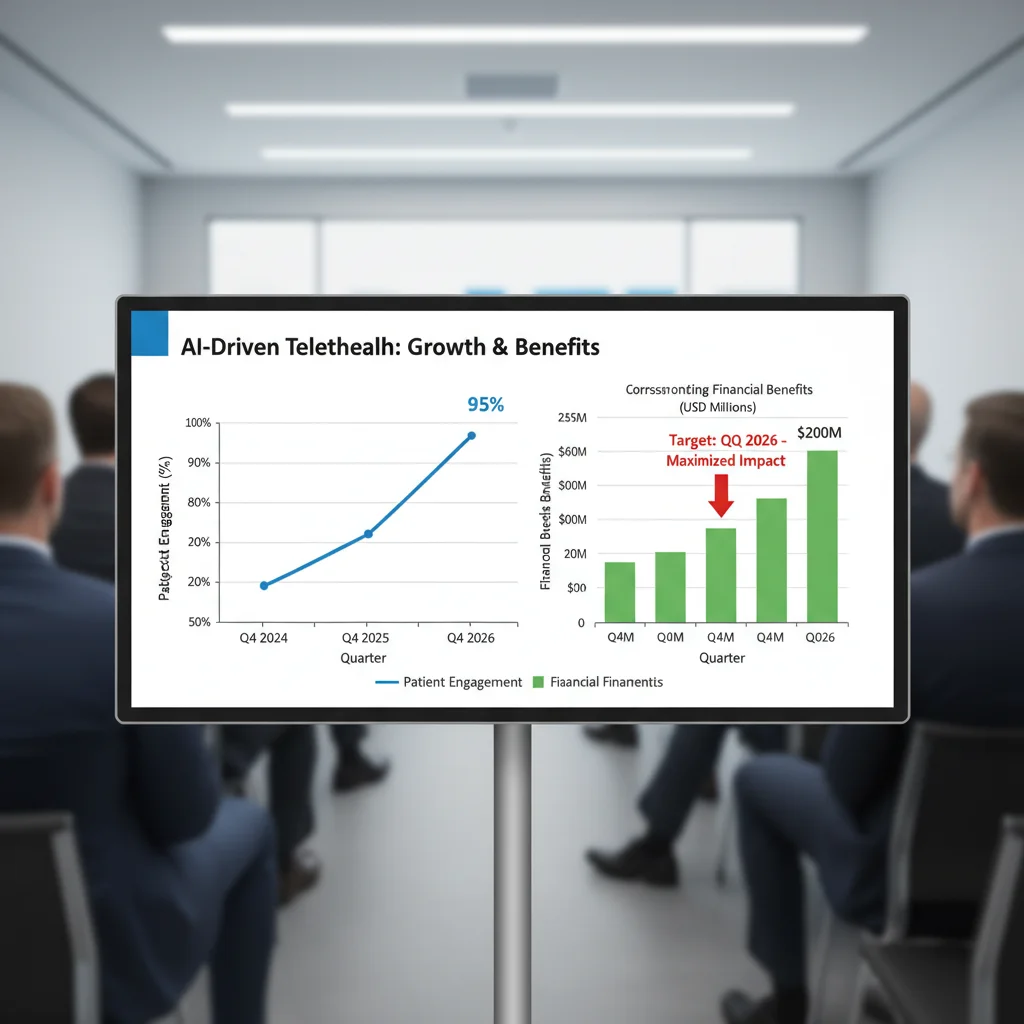
The target of a 20% increase in patient engagement by Q4 2026 is ambitious yet achievable with strategic implementation of AI-driven telehealth. This isn’t just about adopting new technology; it’s about fundamentally rethinking how healthcare is delivered and experienced. From predictive analytics that identify at-risk patients to AI-powered chatbots that provide instant support and personalized health recommendations, the tools are now available to revolutionize patient interaction. The financial implications of such an increase are far-reaching, impacting everything from revenue cycles and operational costs to patient retention and market share.
The Core Challenge: Defining and Measuring Patient Engagement
Before we can discuss increasing patient engagement, we must first clearly define what it means in the context of modern healthcare. Patient engagement is more than just attending appointments; it encompasses a patient’s active involvement in their own health management, their understanding of their conditions, their adherence to treatment plans, and their participation in shared decision-making with healthcare providers. It’s a multi-faceted concept that includes behavioral, cognitive, and emotional components.
Measuring patient engagement has historically been complex. Traditional metrics often include appointment attendance rates, medication refill rates, and survey responses. While these provide a baseline, they often fail to capture the depth of a patient’s involvement or the quality of their interactions. AI-driven telehealth platforms introduce a new paradigm for measurement, leveraging vast amounts of data to provide a more granular and real-time understanding of engagement levels.
- Behavioral Engagement: This includes actions like logging into a patient portal, completing virtual check-ins, participating in telehealth visits, and proactively seeking health information. AI can track these behaviors, identifying patterns and predicting potential disengagement.
- Cognitive Engagement: This refers to a patient’s understanding of their health conditions, treatment options, and self-care strategies. AI can assess this through interactions with educational content, comprehension quizzes, and the quality of questions asked during virtual consultations.
- Emotional Engagement: This is perhaps the most challenging to measure but crucial for long-term adherence. It involves a patient’s confidence in their care team, their sense of control over their health, and their overall satisfaction. AI can contribute by analyzing sentiment from patient feedback, identifying emotional cues in virtual interactions, and providing empathetic, personalized support.
The beauty of AI in this context is its ability to synthesize data from multiple touchpoints – wearable devices, electronic health records (EHRs), patient portals, and telehealth interactions – to create a comprehensive, dynamic profile of each patient’s engagement level. This allows healthcare providers to move beyond reactive interventions to proactive, personalized engagement strategies, which are essential for achieving the ambitious 20% increase in AI Telehealth Engagement.
AI-Driven Telehealth: A Catalyst for Enhanced Engagement
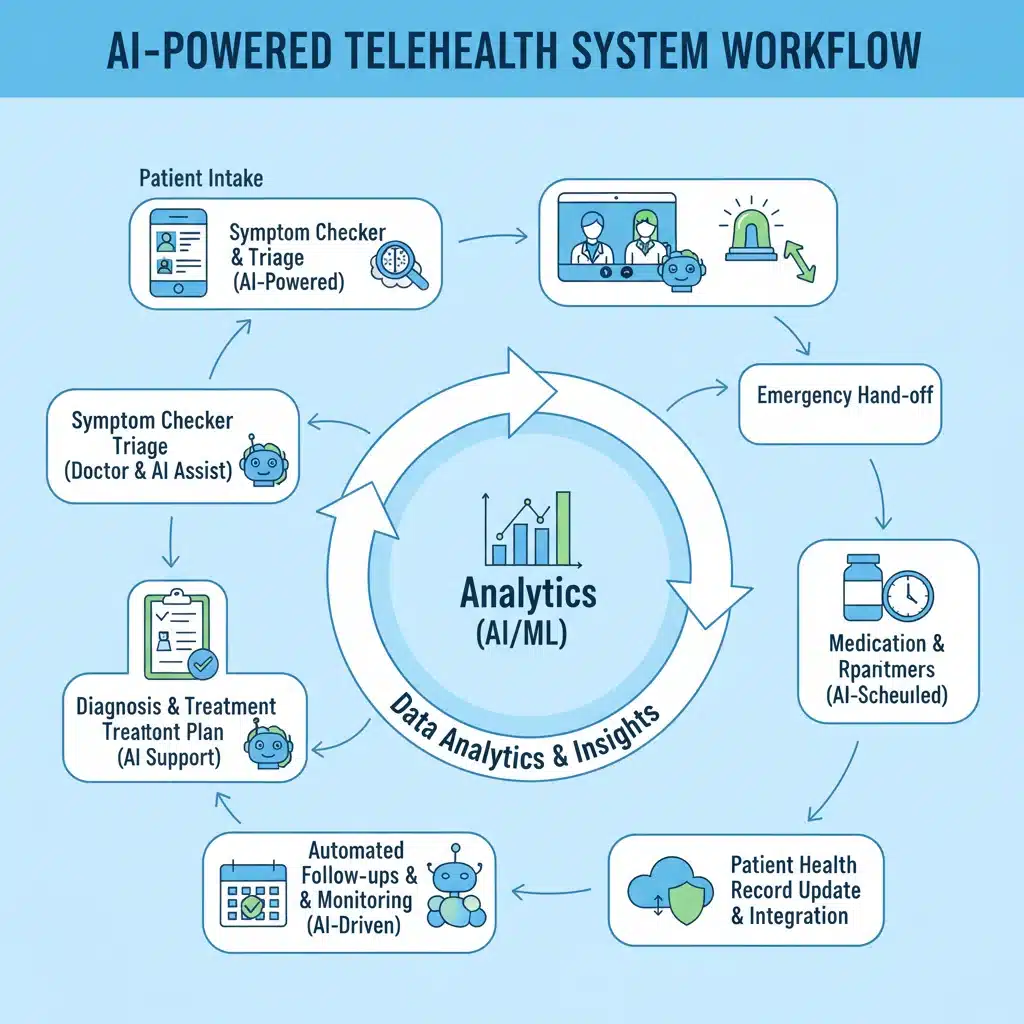
The convergence of AI and telehealth is not merely an incremental improvement; it represents a paradigm shift in how healthcare services are delivered and how patients interact with the system. AI enhances telehealth capabilities by making interactions smarter, more personalized, and more efficient, directly impacting engagement across several key areas.
Personalized Communication and Education
One of the most significant barriers to patient engagement is the one-size-fits-all approach often taken in communication and education. AI changes this by enabling hyper-personalization. AI algorithms can analyze a patient’s medical history, demographics, preferences, and even their digital behavior to deliver tailored information and communication. For example, a patient with diabetes might receive personalized tips on diet and exercise, while another with a chronic heart condition receives reminders for medication and virtual check-ups, all delivered in their preferred language and format.
- AI-Powered Chatbots: These intelligent virtual assistants can provide instant answers to common questions, guide patients through administrative tasks, and offer initial symptom assessments. By being available 24/7, they reduce wait times and improve accessibility, fostering a sense of continuous support.
- Adaptive Learning Platforms: AI can power educational modules that adapt to a patient’s learning style and comprehension level. This ensures that health information is not just delivered but truly absorbed, empowering patients to make informed decisions.
Proactive Care and Predictive Analytics
AI’s ability to analyze vast datasets allows for predictive analytics that can identify patients at risk of disengagement or adverse health events. This proactive approach is a game-changer for engagement. Instead of waiting for a patient to miss an appointment or experience a health crisis, AI can flag potential issues in advance, allowing providers to intervene early.
For instance, AI can predict which patients are likely to skip follow-up appointments based on past behavior and demographic factors. This insight enables targeted outreach, such as personalized reminders or offers for flexible scheduling, significantly improving adherence. This predictive capability directly contributes to the 20% increase in patient engagement by Q4 2026, as it shifts the focus from reactive treatment to proactive health management.
Streamlined Access and Convenience
Telehealth, by its very nature, improves access to care by removing geographical and logistical barriers. When combined with AI, this convenience is amplified. AI can optimize appointment scheduling, reduce administrative burdens, and facilitate seamless virtual consultations. This ease of access makes it more likely for patients to initiate and maintain engagement with their healthcare providers.
- Intelligent Scheduling: AI algorithms can match patients with the most appropriate providers based on their needs, availability, and even personality, leading to better patient-provider relationships.
- Automated Follow-ups: After a virtual visit, AI can automate personalized follow-up messages, check-ins, and reminders for tests or medication, ensuring continuity of care and maintaining engagement.
Financial Impact: Quantifying the ROI of Enhanced Patient Engagement
The drive for increased patient engagement isn’t solely about improving health outcomes; it also has a profound and measurable financial impact on healthcare organizations. Achieving a 20% increase in patient engagement through AI Telehealth Engagement by Q4 2026 is projected to unlock significant financial benefits across several key areas.
Reduced Hospital Readmissions and Emergency Room Visits
One of the most substantial financial drains on the US healthcare system comes from preventable hospital readmissions and unnecessary emergency room visits. Disengaged patients are more likely to mismanage chronic conditions, leading to acute exacerbations that require urgent and expensive care. By contrast, highly engaged patients are better equipped to manage their health proactively, adhering to medication schedules, following dietary recommendations, and understanding warning signs.
- AI-driven telehealth platforms facilitate continuous monitoring and early intervention. For example, AI can analyze data from wearable devices to detect deteriorating health conditions in chronic disease patients, triggering timely virtual consultations or interventions before a crisis escalates.
- Personalized educational content delivered via AI can empower patients to better understand their conditions and self-care strategies, further reducing the likelihood of critical events.
- Studies have shown that effective patient engagement programs can reduce readmission rates by 10-25%, translating into billions of dollars in savings annually for hospitals and health systems. A 20% increase in engagement would directly contribute to the lower end of this range, yielding substantial cost avoidance.
Improved Adherence to Treatment Plans and Preventive Care
Non-adherence to medication and treatment plans is a widespread problem, costing the US healthcare system an estimated $100-$300 billion annually in avoidable healthcare costs. AI-driven telehealth can significantly improve adherence through personalized reminders, educational content, and virtual support groups.
- AI can identify patients at risk of non-adherence and trigger targeted interventions, such as automated calls, texts, or personalized messages from a virtual health assistant.
- Virtual consultations make it easier for patients to discuss concerns about their treatment, leading to better understanding and compliance.
- Increased engagement in preventive care, facilitated by AI reminders for screenings and vaccinations, leads to earlier detection of diseases, which is often less costly to treat and results in better patient outcomes. This proactive approach contributes to long-term financial stability for providers.
Enhanced Operational Efficiency and Revenue Optimization
AI-driven telehealth streamlines many administrative and clinical processes, leading to significant operational efficiencies and direct revenue benefits.
- Reduced No-Show Rates: AI-powered scheduling and personalized reminders can drastically reduce appointment no-shows, which cost healthcare providers billions annually. A 20% increase in engagement implies a considerable reduction in lost revenue from missed appointments.
- Optimized Provider Workflows: By automating routine tasks and providing intelligent insights, AI frees up clinicians to focus on direct patient care, increasing their capacity and productivity.
- Expanded Patient Reach: Telehealth allows providers to serve a wider geographical area and reach underserved populations, leading to an increase in patient volume and market share.
- New Revenue Streams: AI-driven remote patient monitoring (RPM) and chronic care management (CCM) programs are often reimbursable, creating new revenue streams for healthcare organizations. As engagement increases, so does participation in these valuable programs.
Increased Patient Satisfaction and Loyalty
While harder to quantify directly in dollars, patient satisfaction and loyalty have a powerful indirect financial impact. Satisfied patients are more likely to return for future care, recommend their providers to others, and provide positive feedback, which can improve an organization’s reputation and attract new patients.
- AI-driven personalized care experiences lead to higher satisfaction scores. When patients feel understood and supported, their loyalty to a healthcare system grows.
- Positive patient experiences can also lead to better online reviews and higher HCAHPS scores, which can impact reimbursement rates and market perception.
The cumulative effect of these financial benefits underscores the strategic imperative of investing in AI-driven telehealth to boost patient engagement. The 20% target by Q4 2026 is not just an arbitrary number; it represents a critical threshold for realizing these substantial financial gains and securing a competitive advantage in the evolving healthcare market.
Strategies for Achieving a 20% Increase in Patient Engagement by Q4 2026
To realize the ambitious goal of a 20% increase in AI Telehealth Engagement, healthcare organizations must implement a multi-faceted strategy that leverages AI’s full potential while addressing practical implementation challenges. This requires a combination of technological adoption, cultural shifts, and continuous optimization.
1. Invest in Robust AI-Powered Telehealth Infrastructure
The foundation of this strategy is a sophisticated telehealth platform integrated with advanced AI capabilities. This includes:
- Comprehensive Data Integration: Ensuring seamless data flow between EHRs, patient portals, telehealth platforms, and AI engines for a unified patient view.
- Scalable AI Tools: Implementing AI for natural language processing (NLP) for sentiment analysis, machine learning for predictive analytics, and computer vision for remote diagnostics.
- User-Friendly Interfaces: Both for patients and providers, the platform must be intuitive and easy to navigate to encourage adoption and consistent use.
2. Personalize the Patient Journey with AI
Generic communication fails to engage. AI allows for a truly personalized experience:
- Tailored Content Delivery: AI should deliver educational materials, health tips, and reminders based on individual patient profiles, health conditions, and preferences.
- Adaptive Communication Channels: Offer options like SMS, email, in-app notifications, or even AI-powered voice calls, allowing patients to choose their preferred mode of interaction.
- Proactive Outreach: Use AI to identify patients who are disengaging or at risk of adverse events and initiate personalized, timely interventions.
3. Empower Patients with Self-Service Options
Engagement often improves when patients feel empowered and have control over their healthcare journey:
- AI-Powered Chatbots: Deploy intelligent chatbots for 24/7 support, answering FAQs, assisting with appointment scheduling, and providing preliminary symptom assessments.
- Digital Self-Management Tools: Offer AI-driven tools for tracking health metrics, setting health goals, and managing chronic conditions independently.
- Virtual Triage and Navigation: AI can guide patients to the most appropriate level of care, whether it’s a virtual visit, an in-person consultation, or a specialist referral, optimizing their experience and reducing unnecessary steps.
4. Foster Provider Adoption and Training
The success of AI-driven telehealth hinges on provider buy-in and proficiency:
- Comprehensive Training Programs: Educate providers on how to effectively use AI tools to enhance patient interactions, interpret AI-generated insights, and integrate virtual care into their workflows.
- Demonstrate Value: Clearly articulate the benefits of AI-driven tools in reducing administrative burden, improving patient outcomes, and enhancing their own job satisfaction.
- Feedback Loops: Establish mechanisms for providers to provide feedback on AI tools, ensuring continuous improvement and addressing pain points.
5. Continuous Monitoring and Optimization
Achieving a 20% increase is an ongoing process, not a one-time event:
- Key Performance Indicators (KPIs): Define clear KPIs for patient engagement (e.g., login rates, message response times, virtual visit completion, adherence rates) and track them rigorously.
- A/B Testing: Use AI to conduct A/B testing on different engagement strategies, communication styles, and intervention timings to identify what works best for various patient segments.
- Ethical AI Use: Ensure that AI is used ethically, prioritizing patient privacy, data security, and avoiding algorithmic bias. Transparency in AI’s role is crucial for building patient trust.
6. Regulatory Compliance and Security
Operating within the highly regulated US healthcare environment means that all AI-driven telehealth initiatives must be fully compliant with HIPAA and other relevant regulations. Robust data security measures are non-negotiable to maintain patient trust and avoid costly breaches.
By meticulously executing these strategies, healthcare organizations can systematically drive up patient engagement. The 20% increase by Q4 2026 is an ambitious but attainable goal that will fundamentally reshape the financial health and patient experience within the US healthcare system.
Challenges and Considerations in Implementation
While the benefits of achieving a 20% increase in AI Telehealth Engagement are clear, the path to implementation is not without its challenges. Addressing these proactively is crucial for success.
Data Privacy and Security Concerns
The use of AI in telehealth involves collecting and processing vast amounts of sensitive patient data. Ensuring robust data privacy and security measures is paramount. Patients must trust that their health information is protected, and healthcare organizations must comply with stringent regulations like HIPAA. Any breach of trust or security incident can severely undermine engagement efforts and lead to significant financial and reputational damage.
Digital Divide and Health Equity
Despite widespread internet access, a significant digital divide persists, particularly among older adults, low-income populations, and rural communities. These groups may lack access to reliable internet, compatible devices, or the digital literacy required to fully engage with AI-driven telehealth platforms. Healthcare organizations must develop strategies to bridge this gap, such as providing digital literacy training, offering subsidized devices, or integrating non-digital engagement pathways where necessary, to ensure that increased engagement is equitable across all patient demographics.
Integration with Existing Systems
Many healthcare systems operate with legacy EHRs and disparate IT infrastructures. Integrating new AI-driven telehealth platforms seamlessly into these existing systems can be complex, time-consuming, and costly. Interoperability is key; fragmented systems can lead to data silos, inefficient workflows, and a poor user experience for both patients and providers. A phased implementation approach and careful planning for API integrations are essential.
Provider Burnout and Adoption
While AI aims to reduce administrative burden, the initial learning curve for new technologies can contribute to provider burnout. Physicians and nurses are already under immense pressure, and introducing new tools without adequate training, support, and clear demonstrations of value can lead to resistance. Engaging providers early in the design and implementation process, and highlighting how AI can enhance their efficiency and patient care, is crucial for successful adoption.
Algorithmic Bias and Ethical Considerations
AI algorithms are only as unbiased as the data they are trained on. If historical healthcare data contains inherent biases (e.g., underrepresentation of certain demographic groups), the AI models built upon this data may perpetuate or even amplify these biases, leading to inequitable care recommendations or engagement strategies. Healthcare organizations must actively work to identify and mitigate algorithmic bias, ensuring that AI-driven telehealth promotes health equity rather than exacerbating disparities. Ethical oversight and transparency in AI decision-making are vital.
Regulatory and Reimbursement Landscape
The US regulatory and reimbursement landscape for telehealth and AI in healthcare is constantly evolving. Organizations must stay abreast of changes in policies, coding, and payment models to ensure that their AI-driven engagement strategies are financially viable and compliant. Uncertainty in reimbursement can be a barrier to investment and widespread adoption.
Overcoming these challenges requires strategic planning, significant investment, and a commitment to continuous adaptation. However, given the immense financial and clinical benefits of enhanced patient engagement, addressing these hurdles is a necessary step towards a more efficient, equitable, and patient-centered healthcare future.
The Future of Patient Engagement: Beyond 2026
Achieving a 20% increase in patient engagement through AI Telehealth Engagement by Q4 2026 is an ambitious but attainable milestone. However, the journey doesn’t end there. The rapid pace of innovation in AI and digital health suggests that the future of patient engagement will be even more integrated, predictive, and personalized.
Hyper-Personalized, Proactive Care
Beyond 2026, AI will enable an even deeper level of personalization. Imagine AI systems that not only understand a patient’s medical history but also their lifestyle, social determinants of health, and even emotional states in real-time. This will allow for hyper-personalized interventions that anticipate needs before they arise, offering proactive support and guidance that feels truly bespoke.
- Digital Twins: The concept of creating a ‘digital twin’ of a patient, a virtual replica informed by all available health data, could allow AI to simulate different treatment pathways and predict outcomes, further personalizing care and engagement strategies.
- Emotionally Intelligent AI: Advancements in AI could lead to systems that better understand and respond to the emotional nuances of patient communication, providing more empathetic and supportive interactions.
Seamless Integration with Daily Life
Patient engagement will become less about interacting with a healthcare system and more about integrating health management seamlessly into daily life. Wearable technology, smart home devices, and ubiquitous sensors will continuously feed data into AI systems, allowing for constant monitoring and subtle, non-intrusive interventions.
- Ambient Intelligence: AI embedded in everyday environments could provide health nudges and support without requiring explicit patient interaction, making healthy choices the default.
- Gamification and Behavioral Economics: AI will increasingly leverage principles of gamification and behavioral economics to motivate healthy behaviors, making engagement enjoyable and rewarding.
Expanded Role of Virtual Reality (VR) and Augmented Reality (AR)
VR and AR technologies, powered by AI, are set to revolutionize how patients learn about their conditions, manage pain, and even undergo therapy. Imagine virtual reality experiences that allow patients to visualize their anatomy, understand complex procedures, or participate in immersive therapeutic environments from the comfort of their homes. This will create highly engaging and effective new modalities for patient education and treatment.
Ethical AI and Trust as Cornerstones
As AI becomes more sophisticated and pervasive, the ethical considerations will intensify. Building and maintaining patient trust will be paramount. This means a continued focus on transparency in AI’s operations, robust data governance, and ensuring that AI serves to augment human care, not replace it. The future of patient engagement with AI will be built on a foundation of ethical design and a commitment to human-centered care.
The vision for patient engagement, driven by AI-powered telehealth, is one where healthcare is truly personalized, proactive, and seamlessly woven into the fabric of daily life. The 20% increase by Q4 2026 is merely the beginning of an exciting and transformative era in healthcare, promising not only better financial outcomes for providers but, more importantly, significantly improved health and well-being for patients across the United States.
Conclusion: A New Era for Patient Engagement and Financial Health
The strategic adoption of AI-driven telehealth platforms represents a pivotal opportunity for the US healthcare sector. Our analysis underscores the profound financial impact of achieving a 20% increase in patient engagement by Q4 2026. This isn’t just an aspirational goal; it’s a quantifiable objective that promises to reshape healthcare delivery, enhance patient outcomes, and secure significant economic advantages for providers and health systems.
By leveraging AI for personalized communication, proactive care, streamlined access, and continuous monitoring, healthcare organizations can foster a level of patient involvement previously unimaginable. This enhanced AI Telehealth Engagement will directly translate into tangible financial benefits, including reduced readmissions and emergency room visits, improved adherence to treatment plans, optimized operational efficiencies, and increased patient satisfaction and loyalty.
While challenges such as data privacy, the digital divide, and integration complexities exist, they are surmountable with strategic planning and a commitment to innovation. The future of healthcare is undeniably digital and AI-powered, and those organizations that proactively embrace this transformation will be best positioned to thrive. The journey towards a 20% increase in patient engagement is not just about adopting new technology; it’s about investing in a more sustainable, equitable, and patient-centered healthcare system for the future. The time to act is now, to unlock the full potential of AI-driven telehealth and realize its transformative financial and clinical impact.