AI in Telehealth: Boosting Diagnostics for 2026 Clinical Accuracy
AI in Telehealth: Boosting Diagnostics for 2026 Clinical Accuracy
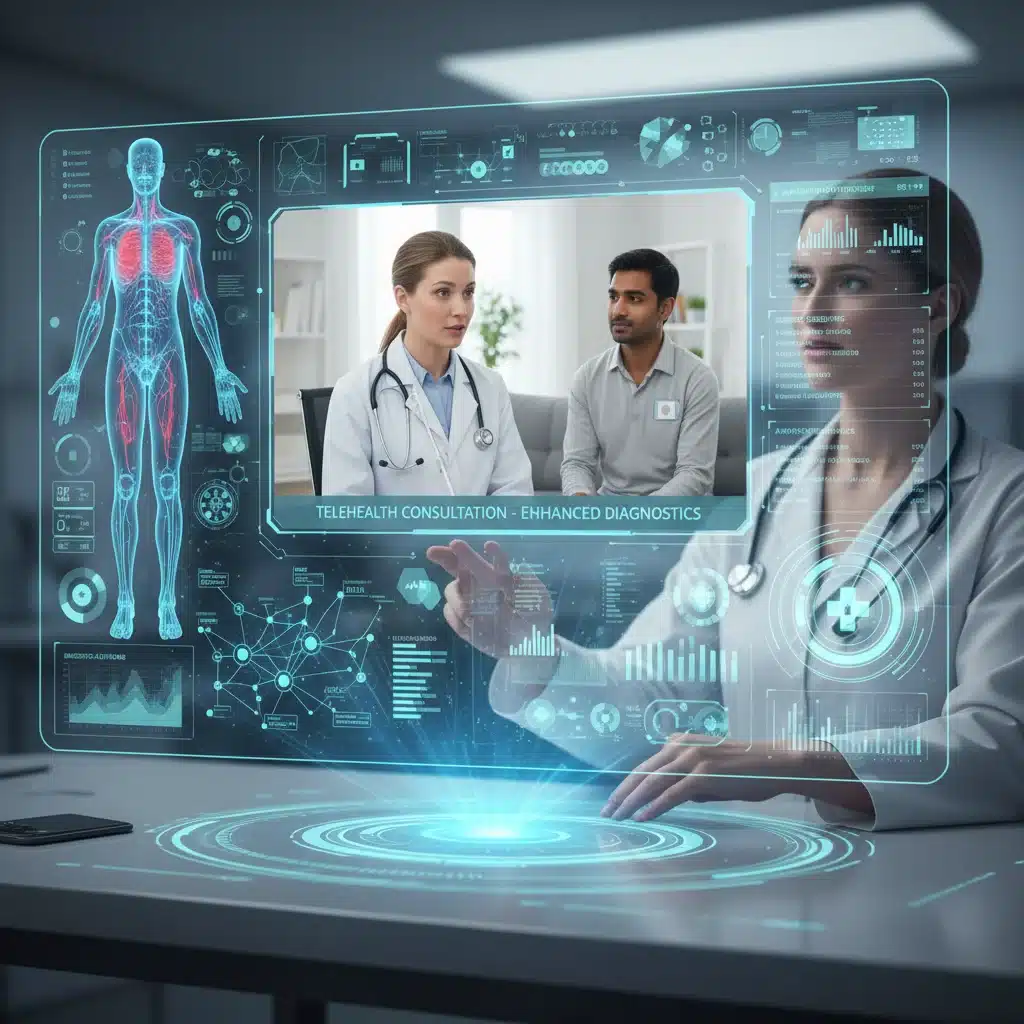
The landscape of healthcare is undergoing a profound transformation, driven by technological advancements that promise to reshape how we approach patient care. Among these innovations, the integration of Artificial Intelligence (AI) into telehealth stands out as a particularly impactful development, especially when considering its potential to dramatically enhance diagnostic accuracy. As we look towards 2026, the convergence of AI and telehealth is not merely a futuristic concept but a rapidly evolving reality set to redefine clinical practice and patient outcomes. The synergy between AI Telehealth Diagnostics is creating a paradigm shift, moving us towards a healthcare system that is more efficient, accessible, and precise.
Telehealth, once a niche service, has become a cornerstone of modern healthcare, particularly accelerated by global events that necessitated remote interactions. Its ability to bridge geographical gaps, reduce healthcare costs, and improve access to medical expertise has made it indispensable. However, the true potential of telehealth is unlocked when it is augmented by AI. AI algorithms can process vast amounts of medical data, identify subtle patterns, and offer diagnostic insights that might elude human perception, thereby significantly boosting the reliability of remote consultations. This integration is not just about convenience; it’s about elevating the standard of care available to patients, irrespective of their location.
The promise of AI Telehealth Diagnostics lies in its capacity to analyze patient-reported symptoms, medical history, wearable device data, and even imaging results with unprecedented speed and accuracy. This capability is critical for early detection, personalized treatment plans, and proactive health management. By 2026, we anticipate a healthcare ecosystem where AI-powered diagnostic tools are routinely embedded in telehealth platforms, providing clinicians with intelligent support systems that augment their expertise and streamline the diagnostic process. This evolution promises to enhance the overall effectiveness of telehealth services, making them a more robust and reliable alternative to traditional in-person visits for a wider range of conditions.
The Current State of AI in Telehealth: Foundations for Future Accuracy
Before delving into the 2026 outlook, it’s essential to understand the current foundation upon which advanced AI Telehealth Diagnostics are being built. Today, AI is already making significant inroads in telehealth through various applications. Chatbots and virtual assistants powered by AI are often the first point of contact for patients, helping them triage symptoms, schedule appointments, and answer common health queries. These tools, while seemingly simple, play a crucial role in managing patient flow and providing immediate, albeit basic, medical guidance. Their ability to handle routine inquiries frees up healthcare professionals to focus on more complex cases, optimizing resource allocation.
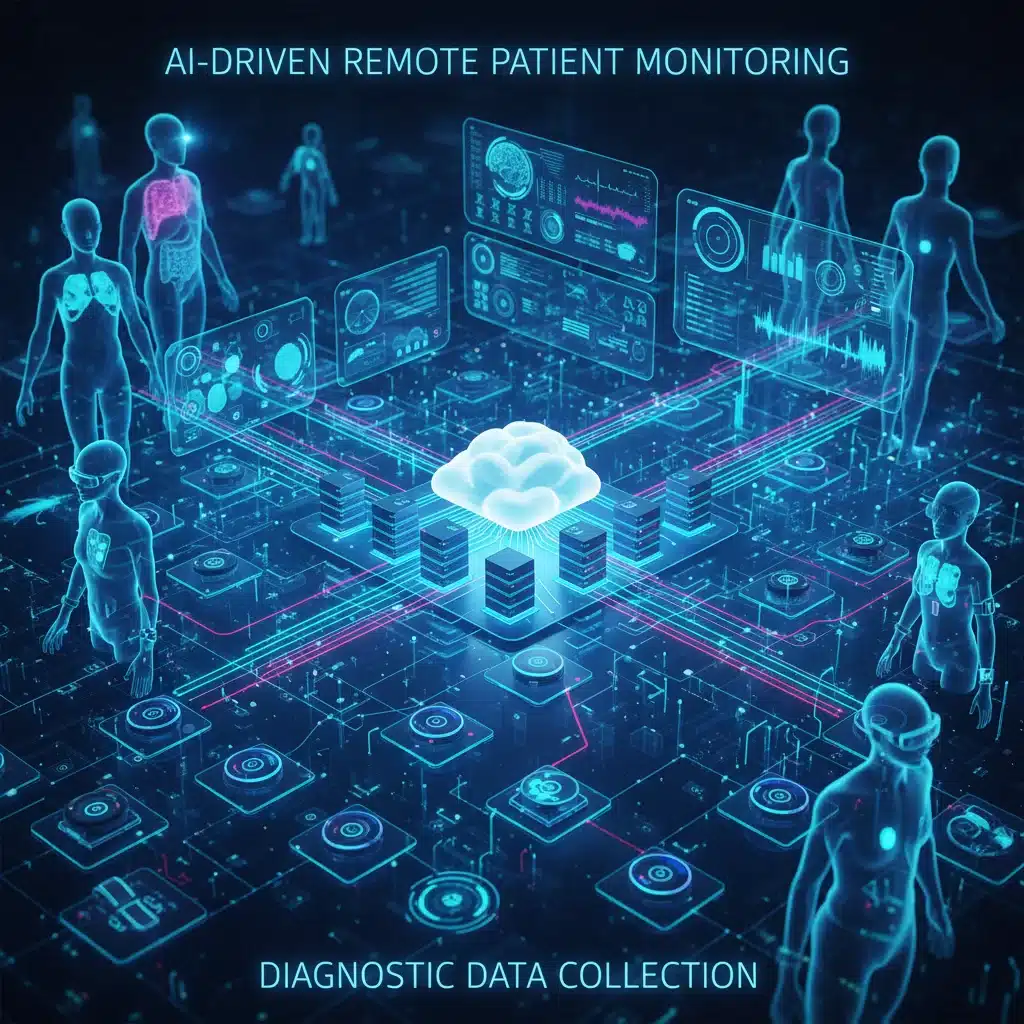
Beyond initial triage, AI is also being utilized in remote patient monitoring (RPM). Wearable devices and smart sensors collect continuous data on vital signs, activity levels, sleep patterns, and other health metrics. AI algorithms then analyze this data, identifying anomalies or trends that could indicate a deteriorating health condition or a need for intervention. For chronic disease management, this proactive monitoring is invaluable, allowing healthcare providers to intervene early and prevent complications. The data collected through RPM also feeds into diagnostic models, providing a richer, more comprehensive picture of the patient’s health status than episodic consultations alone.
Furthermore, AI-driven image analysis is an area of rapid development. While traditionally associated with in-person radiology, advancements in portable imaging devices and high-speed data transmission are enabling AI to assist in interpreting images remotely. For example, AI can analyze dermatological images for suspicious lesions, retinal scans for signs of diabetic retinopathy, or even ultrasound images for obstetric assessments. The accuracy of these AI systems is continually improving, nearing and in some cases exceeding human expert performance, thus laying a strong groundwork for their widespread adoption in telehealth diagnostics.
The integration of natural language processing (NLP) is another critical component. NLP allows AI systems to understand and interpret unstructured clinical notes, patient narratives, and even spoken language during telehealth consultations. This capability helps in extracting relevant information from vast textual data, synthesizing patient histories, and identifying key symptoms or risk factors that might be missed by human review. By processing and organizing this information, NLP-powered AI tools provide clinicians with a more coherent and accessible overview of the patient’s condition, facilitating more accurate diagnoses.
The ethical considerations and regulatory frameworks surrounding AI in healthcare are also evolving. Data privacy, algorithmic bias, and accountability are paramount concerns that need to be addressed as AI becomes more integrated into diagnostic processes. Organizations are actively working on establishing guidelines and standards to ensure that AI applications are safe, effective, and equitable. These foundational efforts are crucial for building trust and ensuring the responsible deployment of AI Telehealth Diagnostics as we move towards 2026, creating a robust and reliable ecosystem for future healthcare delivery.
Predictive Analytics and Early Detection: The Core of 2026 AI Telehealth Diagnostics
By 2026, the role of predictive analytics will be central to AI Telehealth Diagnostics. Instead of merely reacting to symptoms, AI systems will proactively identify individuals at high risk for certain conditions even before symptoms manifest. This will be achieved through the sophisticated analysis of longitudinal patient data, including genetic information, lifestyle choices, environmental factors, and historical health records. Imagine an AI system flagging a patient for an increased risk of cardiovascular disease based on subtle changes in their wearable device data combined with their family history, prompting early intervention through a telehealth consultation.
Early detection capabilities will be significantly amplified. AI algorithms will be trained on massive datasets of medical images, lab results, and clinical notes to recognize the earliest markers of diseases like cancer, neurological disorders, and autoimmune conditions. For example, AI could analyze subtle changes in voice patterns for early signs of Parkinson’s disease or depression, or detect minute abnormalities in remote ophthalmic scans indicative of glaucoma. This proactive approach will be invaluable in improving treatment outcomes and reducing the burden of advanced-stage diseases. The ability to detect conditions earlier, often before they become symptomatic, represents a monumental leap forward in preventative medicine and personalized care.
Furthermore, AI will empower telehealth platforms to offer personalized diagnostic pathways. Based on a patient’s unique profile, the AI system can recommend specific diagnostic tests, monitor relevant biomarkers, and even suggest lifestyle modifications. This tailored approach moves away from a one-size-fits-all model, ensuring that each patient receives care optimized for their individual needs and risk factors. The integration of genomic data will play an increasingly important role, allowing AI to identify genetic predispositions and recommend highly specific screening protocols, further refining diagnostic accuracy.
The continuous feedback loop between patient data, AI analysis, and clinical outcomes will be a defining feature. As more data is collected and analyzed, the AI models will become even more sophisticated and accurate. This iterative learning process ensures that the diagnostic capabilities of telehealth platforms are constantly improving, adapting to new medical knowledge and evolving patient populations. This dynamic improvement is a key advantage of AI-driven systems over static diagnostic methods, ensuring that healthcare remains at the cutting edge of scientific understanding.
The impact on chronic disease management will be particularly profound. AI will monitor disease progression, predict exacerbations, and adjust treatment recommendations in real-time, all facilitated through remote interactions. For conditions like diabetes, hypertension, and asthma, this continuous, intelligent oversight will lead to better control, fewer complications, and an improved quality of life for patients. The ability to remotely manage and predict health events for chronic conditions is a testament to the transformative power of AI Telehealth Diagnostics, making healthcare more proactive and patient-centric.
Challenges and Ethical Considerations for AI Telehealth Diagnostics by 2026
While the potential of AI Telehealth Diagnostics is immense, several challenges and ethical considerations must be addressed to ensure its successful and responsible implementation by 2026. One of the primary concerns revolves around data privacy and security. Telehealth platforms handle highly sensitive patient information, and the integration of AI further amplifies the need for robust cybersecurity measures. Protecting this data from breaches and ensuring its ethical use is paramount to maintaining patient trust and complying with stringent regulations like HIPAA and GDPR.
Another significant challenge is algorithmic bias. AI models are only as unbiased as the data they are trained on. If training datasets disproportionately represent certain demographics or lack diversity, the AI may perpetuate or even amplify existing health disparities. This could lead to less accurate diagnoses or inappropriate treatment recommendations for underrepresented populations. Ensuring equitable outcomes requires meticulous attention to data collection, model design, and continuous validation across diverse patient groups. Addressing bias is not just an ethical imperative but a clinical necessity for reliable diagnostics.
The issue of accountability is also complex. When an AI system contributes to a diagnostic error, determining who is responsible – the AI developer, the healthcare provider, the platform operator, or a combination – becomes a critical question. Clear legal and ethical frameworks need to be established to define liability and ensure patient safety. This involves developing standards for AI validation, transparency, and oversight, ensuring that human clinicians remain ultimately responsible for medical decisions, even when informed by AI.
Regulatory hurdles present another obstacle. The rapid pace of AI innovation often outstrips the development of regulatory guidelines. Governments and health authorities worldwide are grappling with how to effectively regulate AI-powered medical devices and software, balancing the need for innovation with patient safety. By 2026, clearer pathways for AI approval and deployment in telehealth will be essential to facilitate broader adoption and ensure that these technologies meet rigorous standards of efficacy and safety.
Furthermore, the digital divide remains a concern. While telehealth aims to improve access, reliance on digital tools and internet connectivity can exclude populations without adequate access to technology or digital literacy. Ensuring that AI Telehealth Diagnostics benefits all segments of society, particularly vulnerable and underserved communities, requires concerted efforts to bridge this divide through infrastructure development, digital education, and accessible technology solutions. Without equitable access, the benefits of advanced AI in telehealth will not be fully realized across the population.
Technological Advancements Driving Diagnostic Accuracy in 2026
Several key technological advancements are converging to drive the enhanced diagnostic accuracy of AI Telehealth Diagnostics by 2026. High-speed 5G networks and beyond are fundamental, enabling real-time transmission of large medical datasets, including high-resolution images and continuous physiological monitoring data. This low-latency, high-bandwidth connectivity is crucial for seamless virtual consultations and the efficient operation of AI algorithms that require immediate access to vast amounts of information. The ability to transmit data quickly and reliably ensures that diagnostic insights are delivered without delay, supporting timely clinical decisions.
Edge computing is another critical enabler. Instead of sending all data to a centralized cloud for processing, edge AI allows some computations to occur closer to the data source – on smart devices or local servers. This reduces latency, enhances data privacy by minimizing data transfer, and improves the efficiency of AI models, particularly for real-time monitoring and immediate alerts. For telehealth, this means faster processing of wearable data or preliminary analysis of images directly on a patient’s device, providing quicker feedback and initial diagnostic cues.
The development of more sophisticated and specialized AI algorithms, particularly in deep learning and reinforcement learning, is continually improving diagnostic capabilities. These algorithms are becoming adept at identifying complex patterns in multi-modal data, combining information from various sources like electronic health records, genomic data, imaging, and sensor data. This multi-modal approach significantly enhances the AI’s ability to provide a holistic and accurate diagnosis, moving beyond single-source data analysis. The continuous refinement of these algorithms is pivotal to the future of diagnostic accuracy.
Miniaturization and proliferation of advanced medical sensors and wearables are also vital. These devices are becoming more accurate, less intrusive, and capable of measuring a wider range of physiological parameters. From continuous glucose monitors to smart patches that track ECG and respiration, these sensors provide a constant stream of high-quality data that AI can leverage for early detection and precise diagnosis. The data generated by these devices forms the bedrock upon which sophisticated AI Telehealth Diagnostics are built, transforming passive monitoring into active diagnostic support.
Furthermore, advancements in augmented reality (AR) and virtual reality (VR) could play a role in enhancing the diagnostic capabilities of telehealth. While not directly AI, these technologies can facilitate more immersive and detailed remote examinations. For instance, an AR overlay could guide a patient or a remote caregiver through a physical examination, providing visual cues for palpation or auscultation, with AI analyzing the results. These technologies, combined with AI, create a more comprehensive and interactive diagnostic experience, bridging the gap between virtual and physical examinations. These innovations collectively paint a picture of a highly advanced and interconnected healthcare system by 2026.
Impact on Clinical Workflows and Healthcare Professionals by 2026
The integration of AI Telehealth Diagnostics by 2026 will profoundly impact clinical workflows and the roles of healthcare professionals. Far from replacing clinicians, AI is poised to act as a powerful assistant, augmenting human capabilities and allowing medical staff to focus on aspects of care that require empathy, complex decision-making, and direct patient interaction. The most immediate impact will be on efficiency. AI can automate routine diagnostic tasks, process large volumes of data, and flag urgent cases, significantly reducing the administrative burden on doctors and nurses.
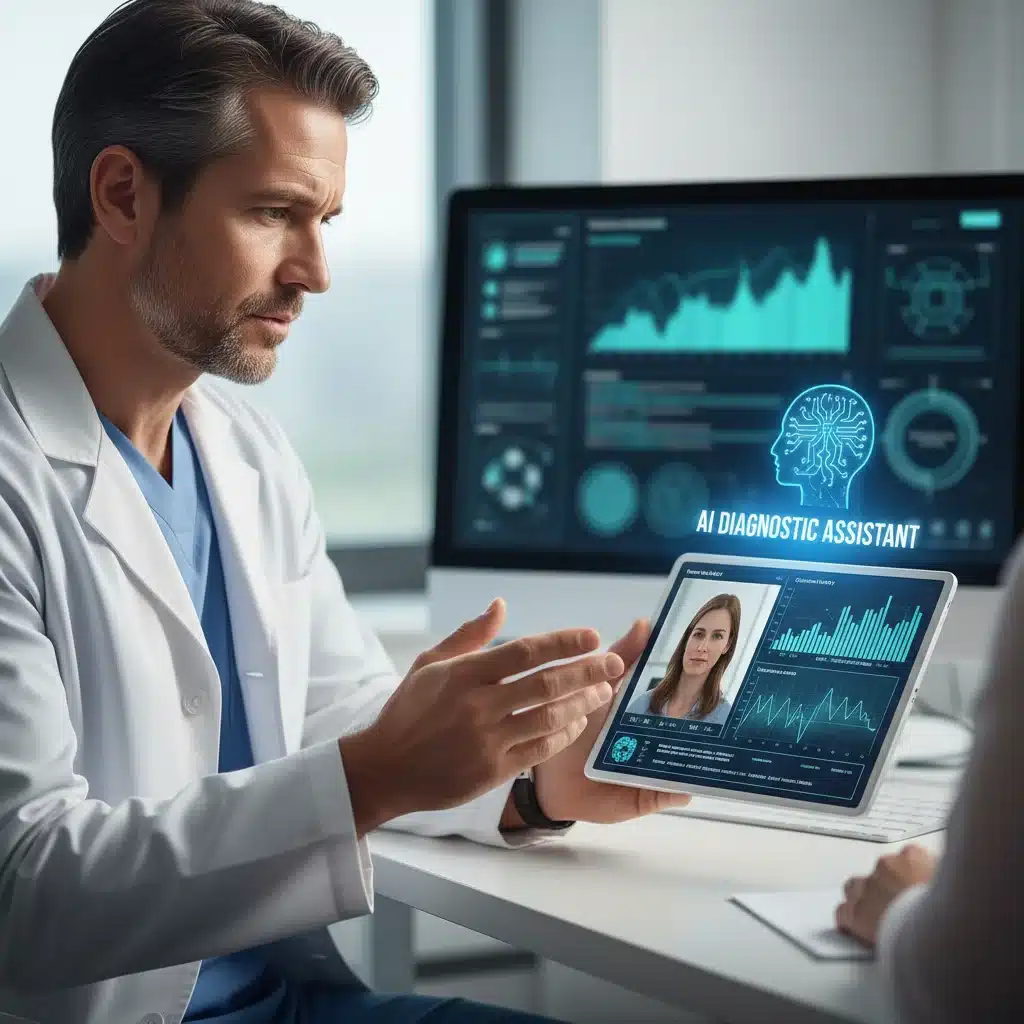
Clinicians will increasingly rely on AI-powered decision support systems. These systems will provide evidence-based recommendations, summarize patient data, and highlight potential differential diagnoses, helping clinicians make more informed and accurate decisions. This doesn’t diminish the role of the human expert; rather, it empowers them with a sophisticated tool that enhances their cognitive abilities and reduces the likelihood of diagnostic errors. The future will see a collaborative model where human expertise is combined with AI’s analytical power, leading to superior patient outcomes.
The shift towards preventive care will also be accelerated. With AI’s ability to identify risks and detect diseases early, healthcare professionals will spend more time on proactive health management, patient education, and personalized wellness plans, rather than solely on treating advanced illnesses. This paradigm shift will lead to healthier populations and a more sustainable healthcare system. Telehealth platforms, supercharged by AI, will be instrumental in delivering these preventive services widely and efficiently, reaching patients in their homes and communities.
Training and education for healthcare professionals will need to adapt. Future medical curricula will likely include extensive modules on AI literacy, data analytics, and the effective use of AI-powered diagnostic tools. Clinicians will need to understand how AI algorithms work, their limitations, and how to critically evaluate their outputs. This new skillset will be essential for leveraging the full potential of AI Telehealth Diagnostics and ensuring that technology is used responsibly and effectively in patient care. Continuing professional development will also focus on these emerging areas to keep practitioners up-to-date.
Ultimately, the integration of AI will free up healthcare professionals to dedicate more time to the human aspects of medicine – building rapport with patients, providing emotional support, and navigating complex ethical dilemmas. While AI excels at data analysis, human empathy and judgment remain irreplaceable. By offloading data-intensive diagnostic tasks to AI, clinicians can re-focus on delivering compassionate and holistic care, enhancing both the patient experience and professional satisfaction. This symbiotic relationship between AI and human expertise will define the future of telehealth and healthcare by 2026.
The Patient Experience: Enhanced Accessibility and Personalization
For patients, the evolution of AI Telehealth Diagnostics by 2026 promises a significantly enhanced experience characterized by greater accessibility and personalization. One of the most immediate benefits will be improved access to specialized care, particularly for individuals in rural or underserved areas. AI-powered telehealth platforms can connect patients with specialists anywhere, overcoming geographical barriers and reducing the need for arduous travel. This expansion of access means that high-quality diagnostic services are no longer limited by location, democratizing healthcare.
The diagnostic process itself will become more streamlined and convenient. Patients will experience shorter wait times for initial assessments and diagnoses, as AI can quickly process information and assist clinicians. Remote monitoring and early detection capabilities will empower patients to take a more active role in managing their health, providing them with timely insights and personalized recommendations. This proactive engagement fostered by AI will lead to better adherence to treatment plans and improved health outcomes, transforming patients from passive recipients of care into active participants in their health journey.
Personalized medicine will become a tangible reality for more individuals. AI will analyze a patient’s unique genetic makeup, lifestyle, and environmental factors to provide highly tailored diagnostic interpretations and treatment plans. This level of personalization means that healthcare is no longer a one-size-fits-all approach but is precisely calibrated to the individual’s needs, leading to more effective interventions and reduced adverse effects. The ability of AI to synthesize disparate data points into a cohesive, personalized health narrative is a game-changer for patient care.
The convenience of receiving diagnostic insights and follow-up care from the comfort of one’s home cannot be overstated. This reduces the stress and disruption often associated with medical appointments, making healthcare less intimidating and more integrated into daily life. For elderly patients, those with mobility issues, or individuals with demanding schedules, telehealth augmented by AI provides a flexible and accessible healthcare solution. This convenience factor significantly improves patient satisfaction and encourages consistent engagement with healthcare services, which is crucial for long-term health management.
Finally, AI will contribute to a more transparent and understandable diagnostic process. While complex algorithms operate in the background, the patient-facing interfaces will be designed to clearly communicate diagnoses, treatment options, and prognoses in an accessible language. This transparency fosters trust between patients and their healthcare providers and empowers patients to make informed decisions about their health. By making complex medical information more digestible, AI Telehealth Diagnostics will enhance patient education and engagement, leading to better overall health literacy and improved shared decision-making.
The Future Landscape: Beyond 2026 and Continuous Evolution
Looking beyond 2026, the trajectory of AI Telehealth Diagnostics points towards continuous evolution and even more profound integration into the fabric of healthcare. The advancements we foresee are not static but part of an ongoing journey towards increasingly intelligent, autonomous, and integrated medical systems. One key area of future development will be the establishment of truly autonomous AI diagnostic agents for specific, well-defined conditions. While human oversight will remain critical, AI could potentially handle initial diagnoses and treatment plans for routine cases, allowing human clinicians to focus on complex, rare, or critical conditions.
The interoperability of health data systems will also reach new heights. By 2026 and beyond, seamless exchange of patient data across different healthcare providers, insurance companies, and research institutions will be commonplace, all facilitated by AI. This comprehensive data ecosystem will provide AI algorithms with an even richer source of information, further enhancing diagnostic accuracy and enabling more sophisticated predictive modeling. The breaking down of data silos is essential for realizing the full potential of AI in healthcare, creating a truly connected and intelligent medical network.
The development of explainable AI (XAI) will become paramount. As AI systems become more complex and autonomous, understanding how they arrive at a particular diagnosis will be crucial for building trust and ensuring accountability. XAI aims to make AI decisions transparent and interpretable, allowing clinicians to understand the reasoning behind an AI’s diagnostic recommendation. This will be vital for regulatory approval, professional acceptance, and for maintaining the ethical integrity of AI in diagnostic processes, ensuring that AI is a tool that enhances, rather than obscures, clinical judgment.
Personalized prevention will move beyond risk assessment to highly individualized interventions. AI will not only identify who is at risk but also precisely recommend the most effective preventive strategies based on an individual’s unique biological, genetic, and lifestyle profile. This could involve highly specific dietary advice, exercise regimens, or even prophylactic treatments, all delivered and monitored through telehealth platforms. This level of precision prevention represents the ultimate goal of leveraging AI for health optimization, moving towards a future where illness is not just treated, but actively prevented on a personalized level.
Finally, the global reach of AI Telehealth Diagnostics will expand exponentially. AI-powered telehealth solutions have the potential to address healthcare disparities on a global scale, bringing high-quality diagnostic expertise to remote and underserved populations worldwide. This global impact will be facilitated by scalable cloud infrastructures, increasingly affordable smart devices, and AI models trained on diverse global datasets. The vision for healthcare beyond 2026 is one where advanced diagnostic capabilities, powered by AI and delivered through telehealth, are a universal right, accessible to everyone, everywhere, fostering a healthier global community.
Conclusion: A Healthier Future with AI Telehealth Diagnostics
The journey towards 2026 marks a pivotal moment in the evolution of healthcare, with the integration of AI into telehealth emerging as a cornerstone for enhanced diagnostic accuracy. We’ve explored the foundational elements currently in place, the exciting prospects of predictive analytics and early detection, the critical challenges that demand attention, the technological drivers pushing innovation forward, the profound impact on clinical workflows, and the significantly improved patient experience. The synergy between AI and telehealth is not just about making healthcare more convenient; it’s about making it smarter, more precise, and ultimately, more effective.
As we navigate the next few years, the continuous development and responsible deployment of AI Telehealth Diagnostics will be crucial. Addressing ethical considerations, ensuring data privacy, combating algorithmic bias, and establishing robust regulatory frameworks are not mere afterthoughts but integral components of this transformative journey. The collaboration between AI developers, healthcare providers, policymakers, and patients will be essential to harness the full potential of these technologies, ensuring they serve humanity’s best interests.
By 2026, we can confidently expect a healthcare system where AI acts as an intelligent co-pilot for clinicians, empowering them to deliver superior care with greater efficiency and accuracy. Patients will benefit from more accessible, personalized, and proactive diagnostic services, leading to earlier interventions, better disease management, and improved overall health outcomes. The promise of AI in telehealth is not just about technological advancement; it’s about fostering a healthier, more equitable, and more resilient future for all. The outlook is bright, and the convergence of AI and telehealth is set to revolutionize diagnostics in ways we are only just beginning to fully comprehend.